Not all switches are the same: there are many different types of switches, which can make it difficult to find the right one for your business. Depending on their function and performance, they can be used in a wide range of applications, from very small to very large companies.
In this blog post, you will learn how to find the right switch type and series for a medium-sized company, even if it operates in the enterprise sector. We will show you a selection of suitable switches, and you can consult us at any time.
Having the right switch in your company is very important, as it enables a stable and secure network. It transmits, controls and filters data traffic between different devices or hosts in the network. Forwarding is targeted, i.e. recipients are clearly defined by MAC addresses and data is only transmitted if the recipient is supposed to receive it. This not only ensures security, but also fast and efficient data transmission.
A classic switch operates on layer 2 of the OSI model. However, there are also layer 3 switches that can additionally perform routing functions. A distinction is also made between different switch types: unmanaged switch, plus switch, managed switch, smart switch, smart cloud switch or PoE switch.
How secure and stable a switch should be depends on the size of the company and the area of application. Managed switches, smart switches, Layer 3 switches and smart cloud switches are best suited for medium-sized networks and enterprise environments.
Are you unsure about the size of your company but want to find the right switch? Here is a brief overview to help you assess whether your network is medium-sized or belongs to the enterprise network category (the values apply to the last two completed financial years).
If your company has multiple locations, has higher security requirements and uses virtualised server structures, it falls into the enterprise category.
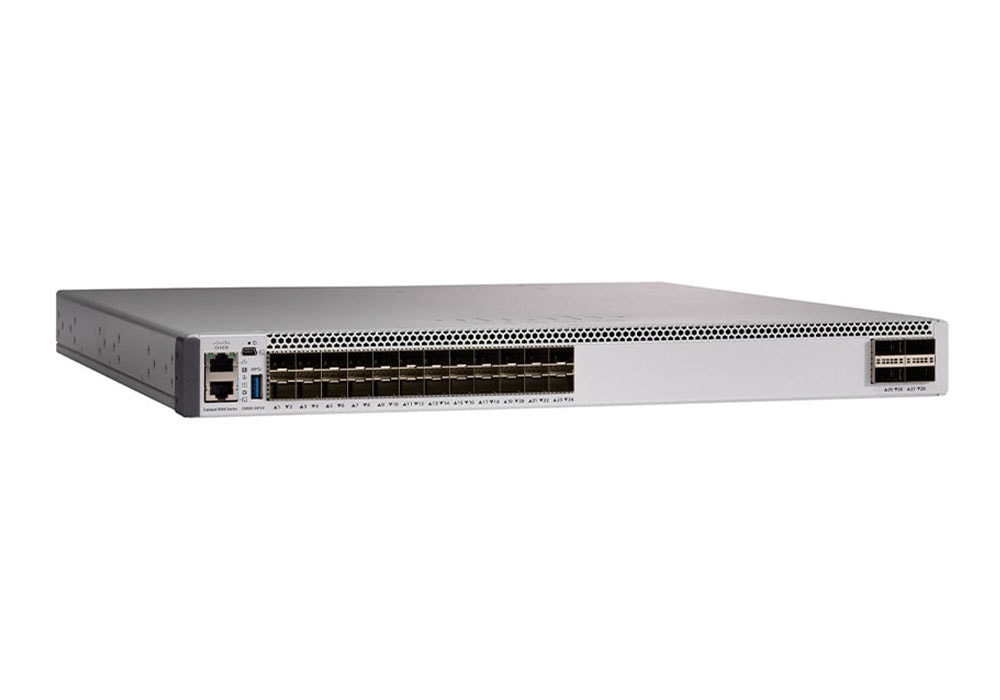
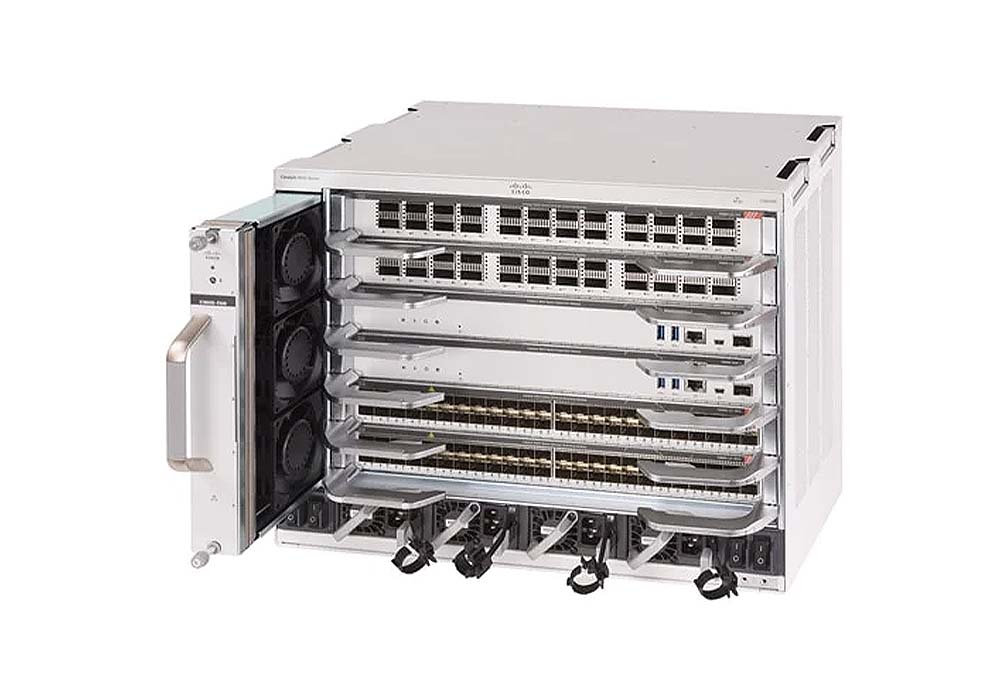
Cisco offers many switch series, including the Catalyst Series, which is particularly well suited for medium-sized businesses and enterprise networks. Catalyst switches are designed for building scalable network infrastructures and enable the network to be expanded as demand grows.
The switches can be installed in standard racks and are available in various sizes with up to 48 ports. They also support Power over Ethernet (PoE/PoE+), which allows connected devices to be powered directly. Catalyst switches feature a user-friendly web interface and can be configured via the console, serial interface or USB 2.0. Many models also offer Layer 3 functions, stacking options and management tools, making them suitable for businesses of all sizes.
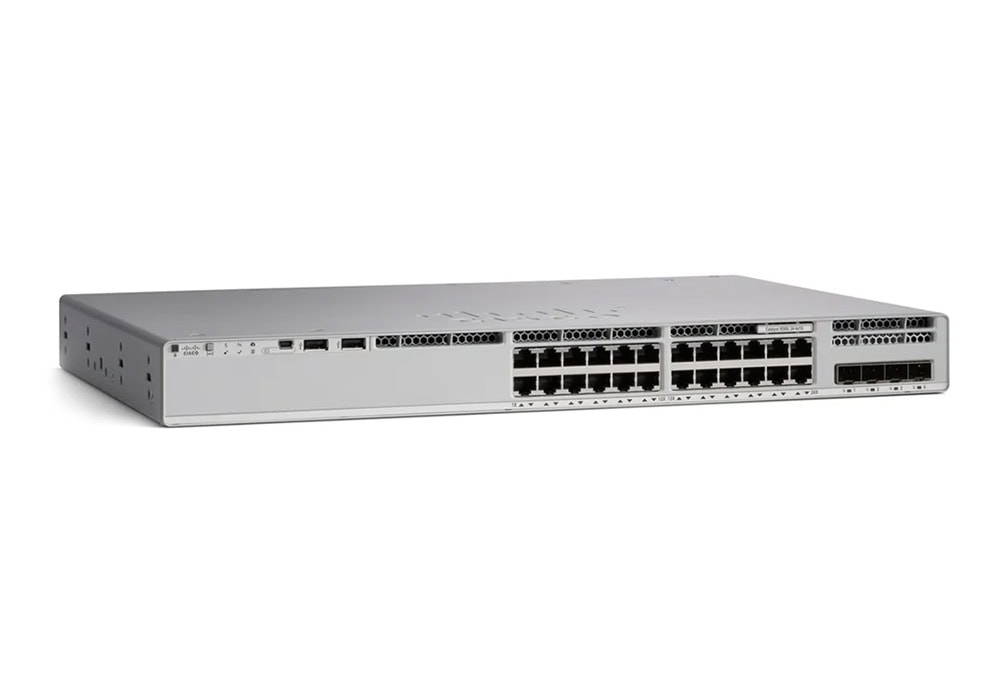
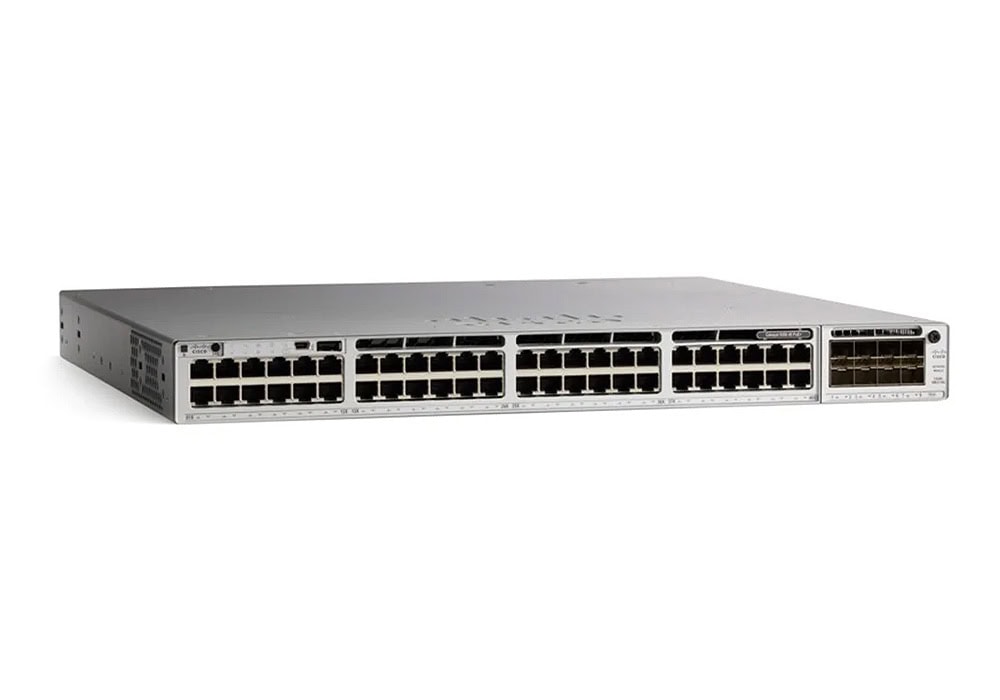
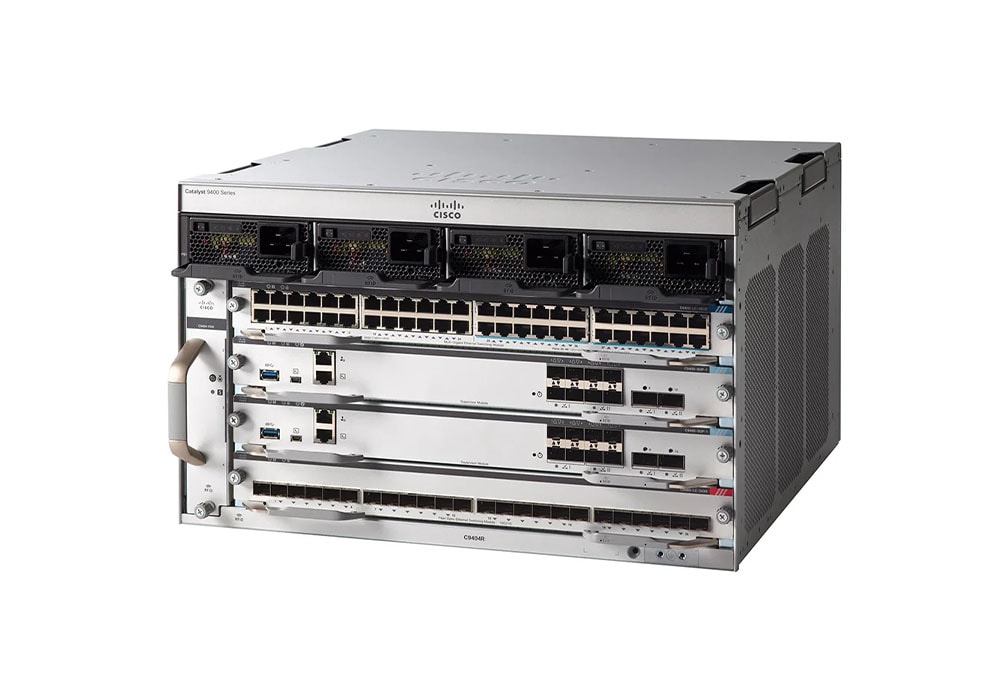
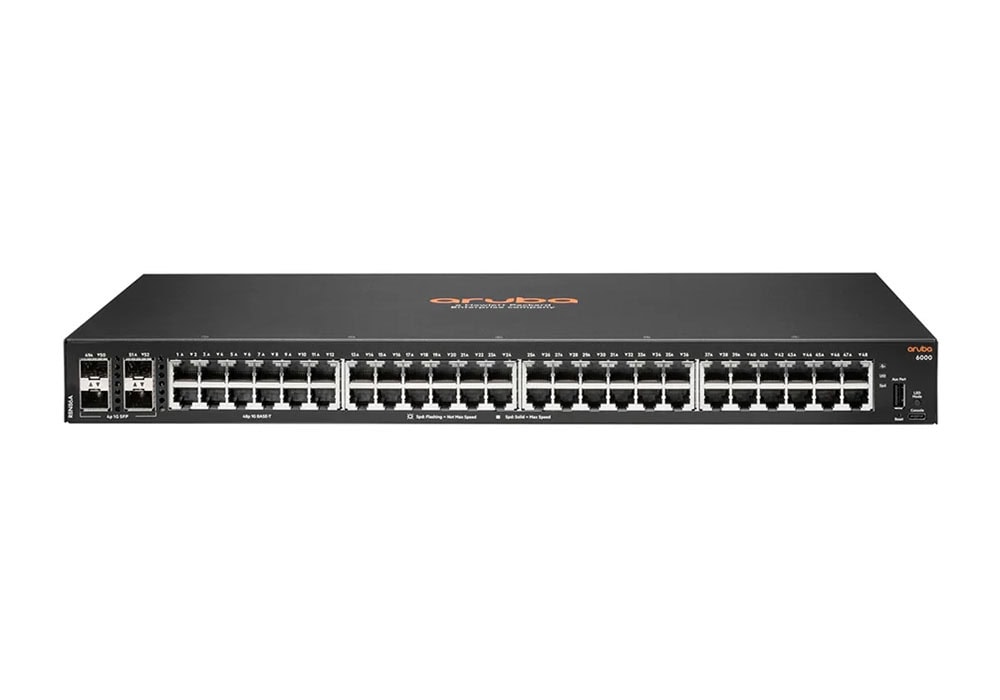
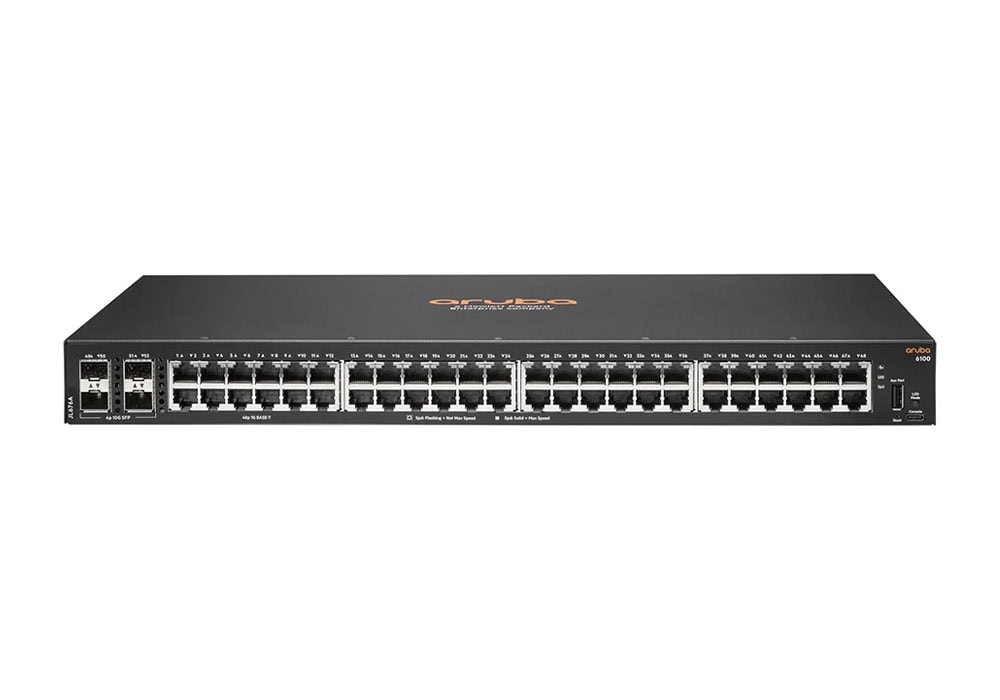
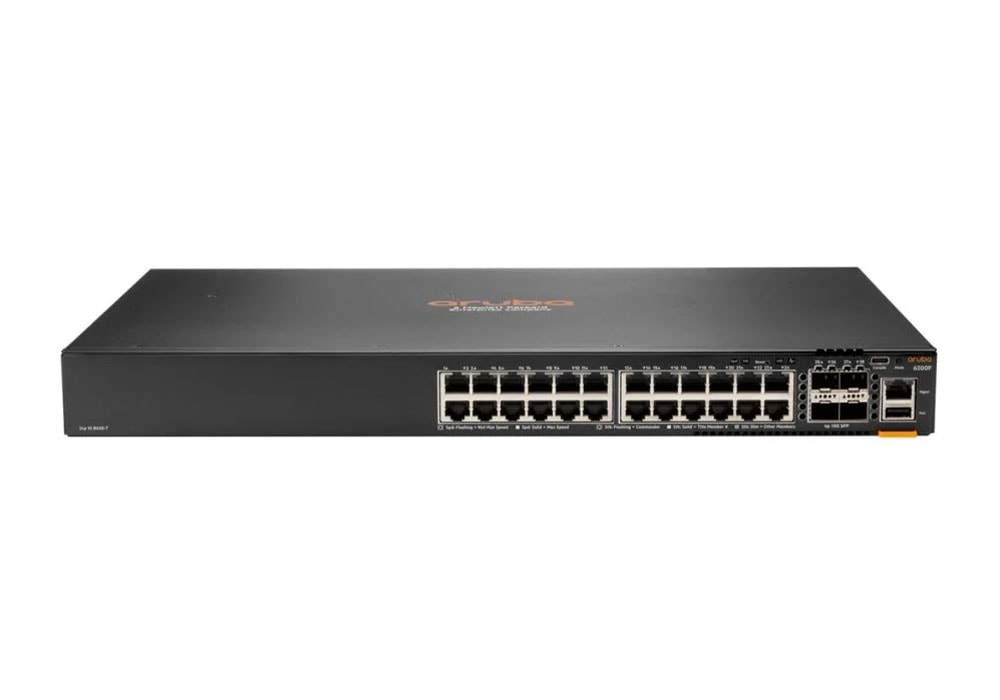
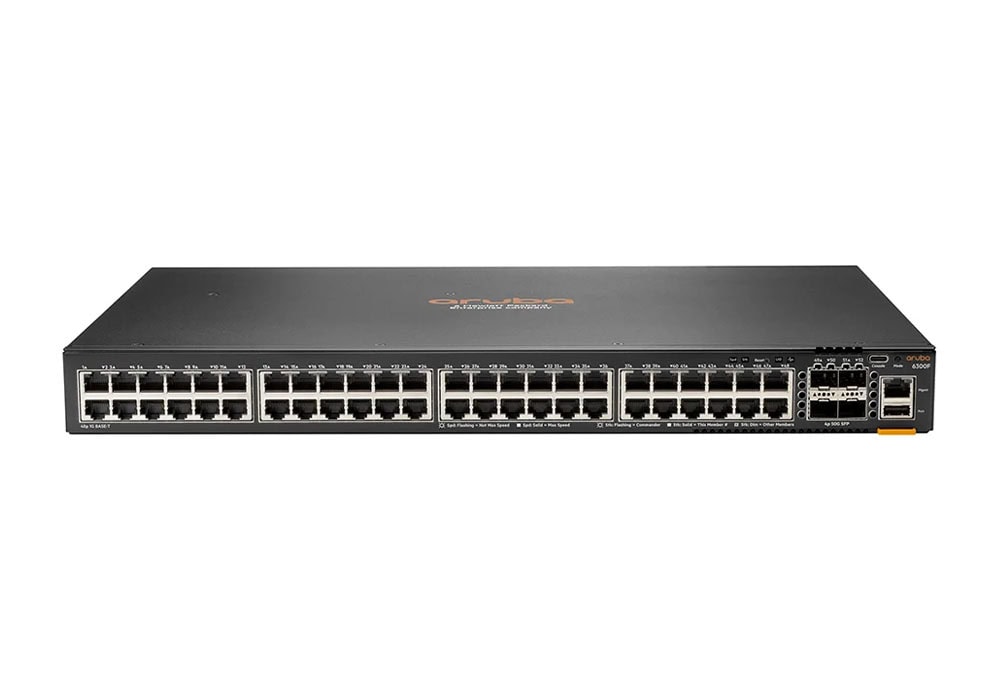
HPE Aruba offers a wide range of switch series. The CX Series in particular is ideal for medium-sized businesses and ensures a stable, high-performance network connection. The switches support PoE/PoE+ to supply connected devices with power directly. Aruba Central allows cloud-based management and remote monitoring of the devices.
The series includes various models with different port counts and PoE options, allowing businesses to scale their networks flexibly. Layer 2/3 functions, stacking, redundancy and high reliability make the CX switches particularly dependable. Strong security features such as access controls, data encryption, ACLs (access control lists) and network segmentation provide additional protection for the network.
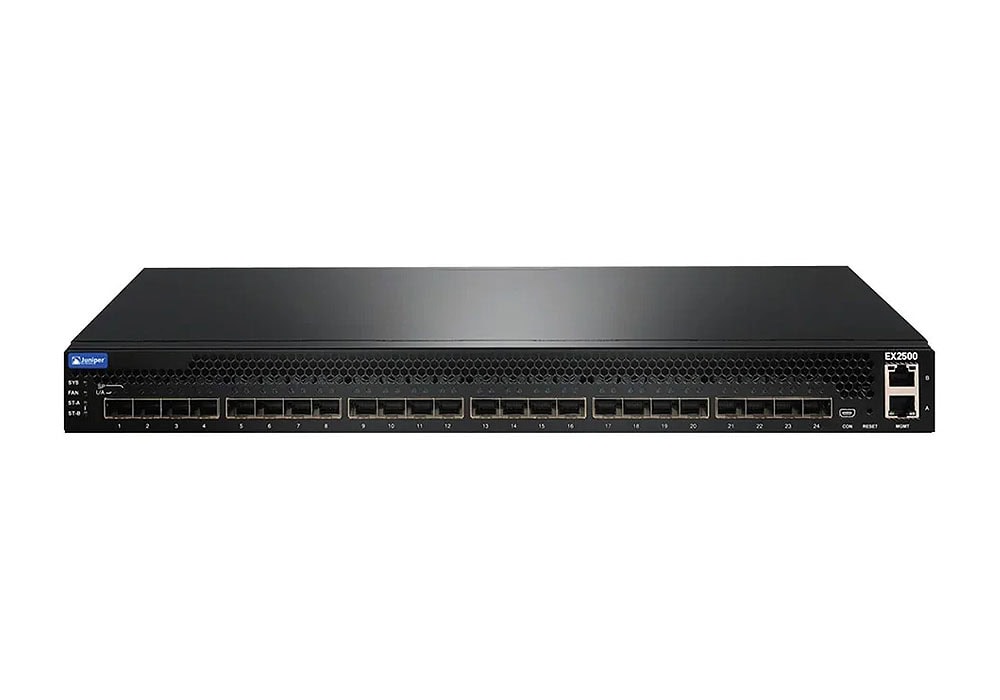
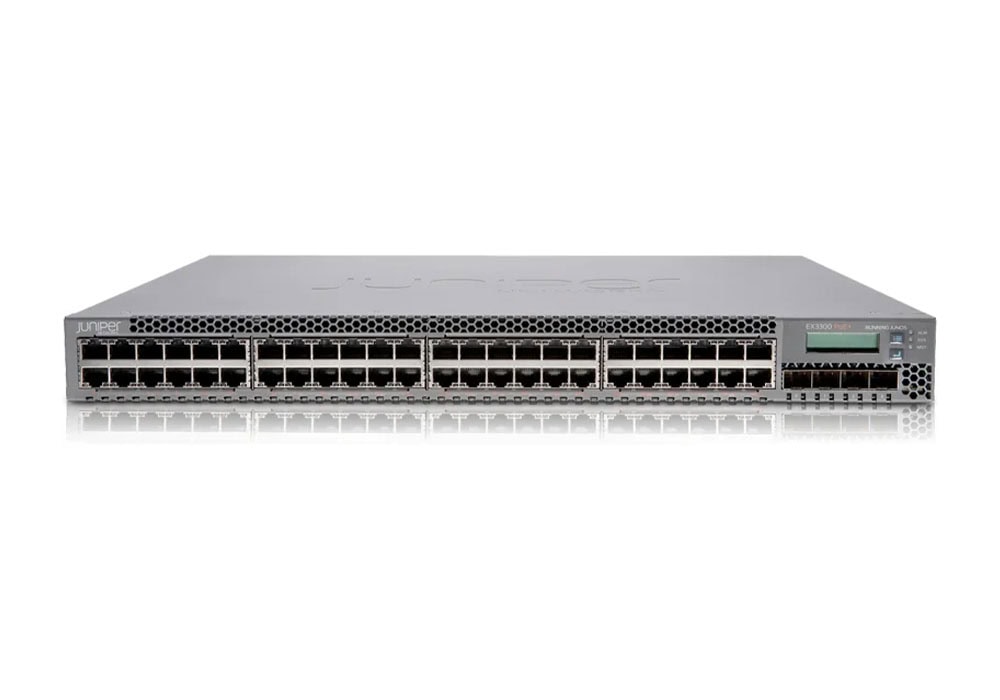
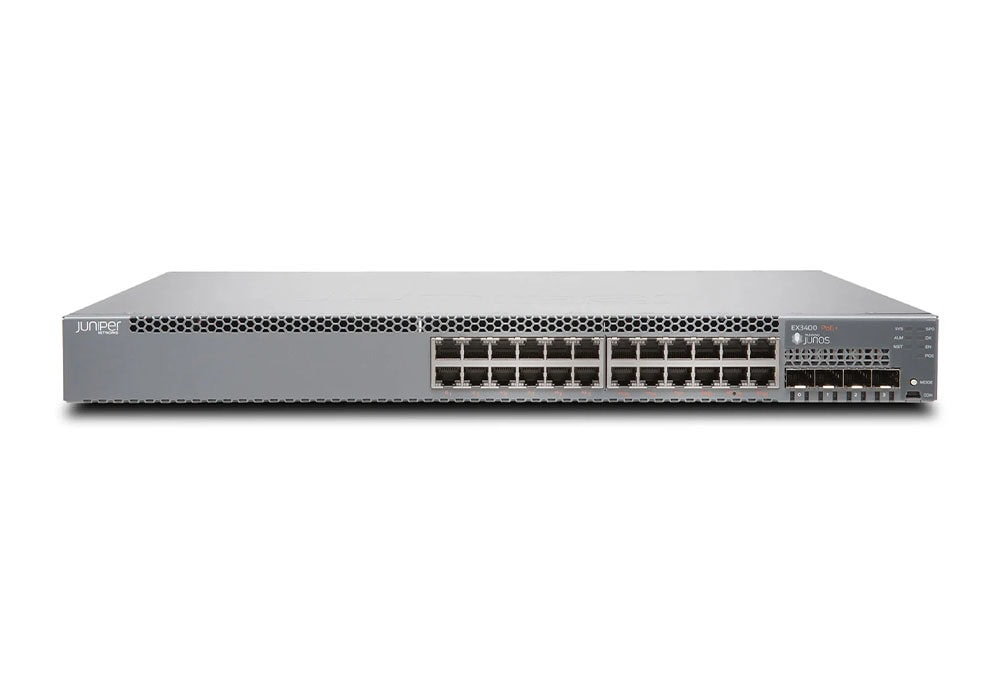
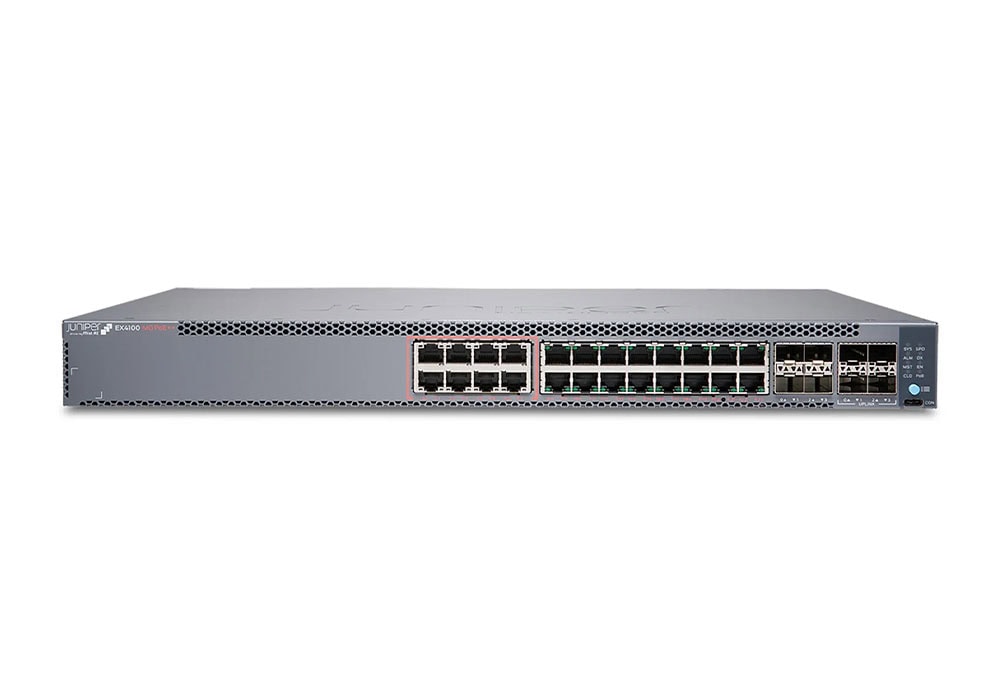
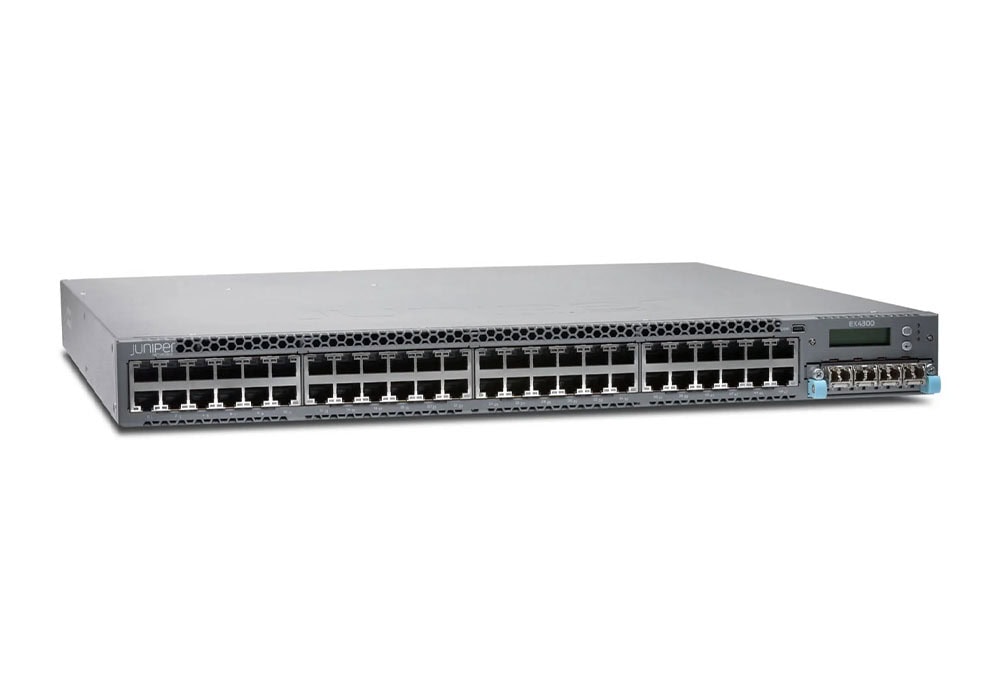
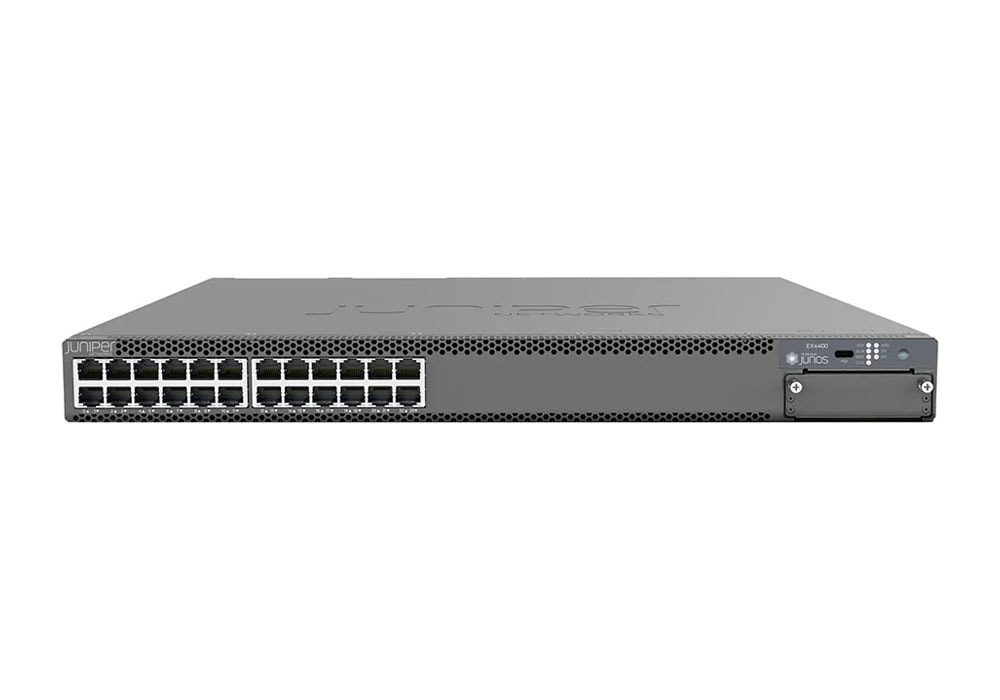
Juniper's EX Series is designed for campus networks, data centres and service providers. It offers powerful, cloud-enabled switches with features such as network access control (NAC), access policy creation and comprehensive Layer 2/3 management. The switches are flexibly scalable, allowing them to be expanded as the network grows.
Advanced security features and Quality of Service (QoS) ensure reliable data transmission. The devices can also be managed centrally and easily via Juniper Network Director or Junos OS. Different models offer different port counts and PoE options to suit the size of the business.
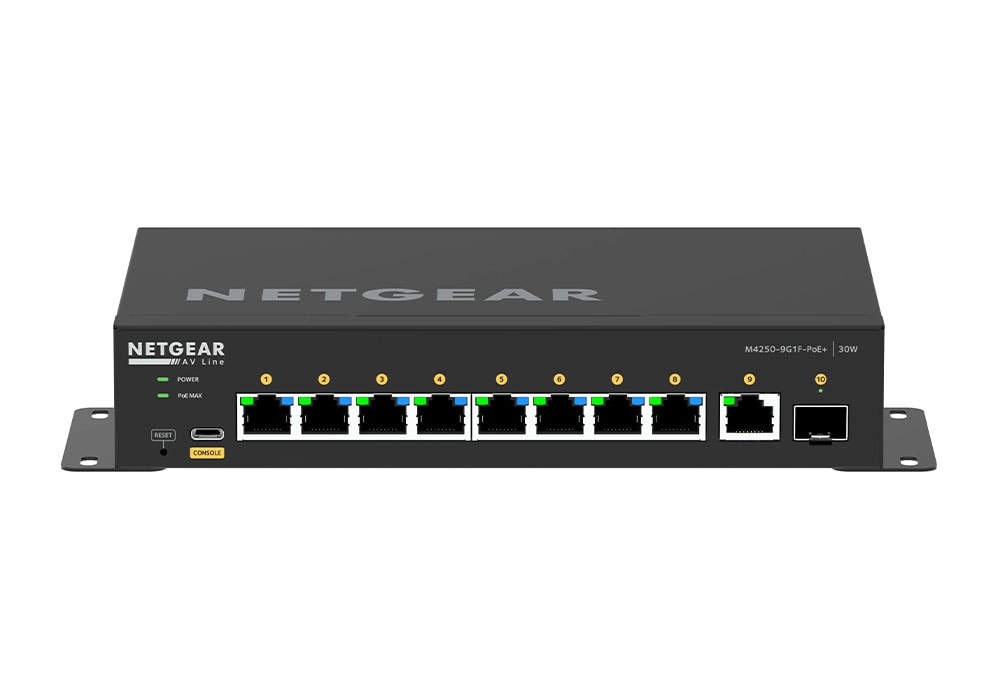
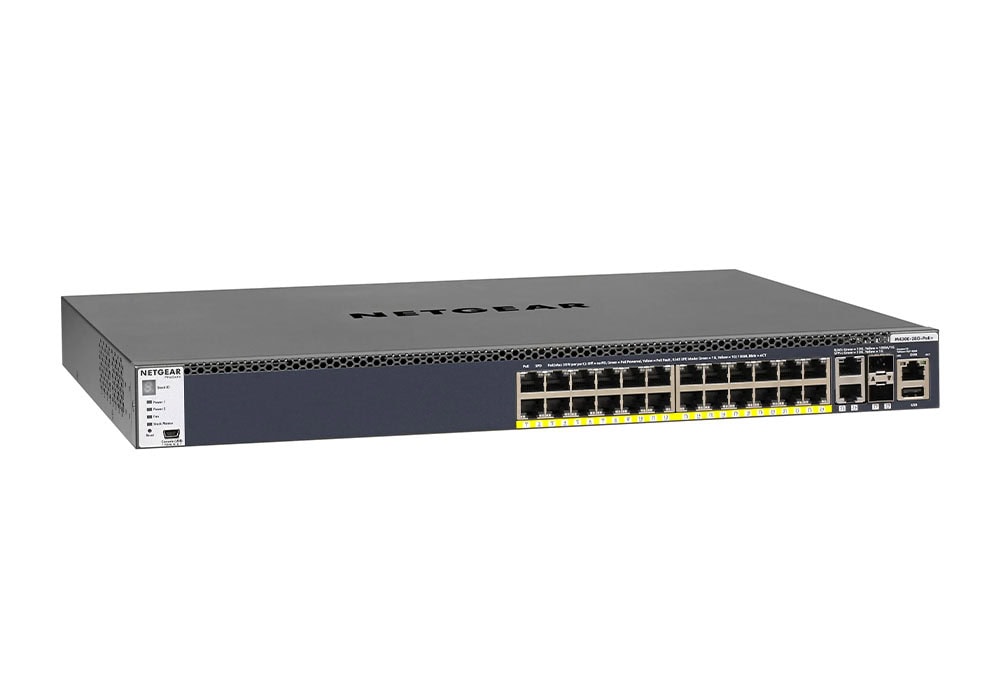
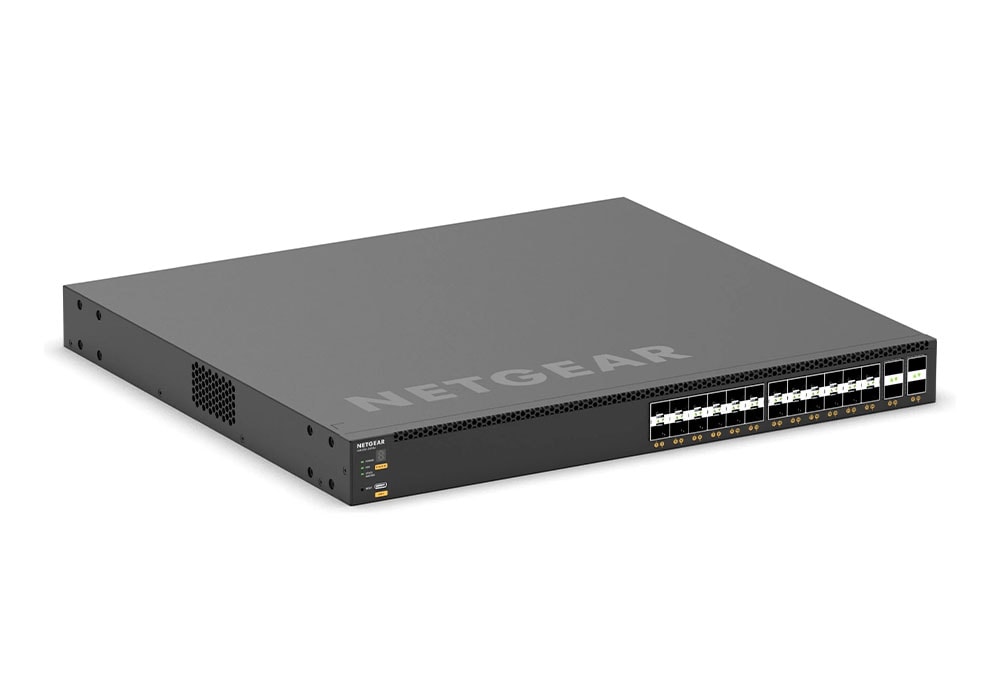
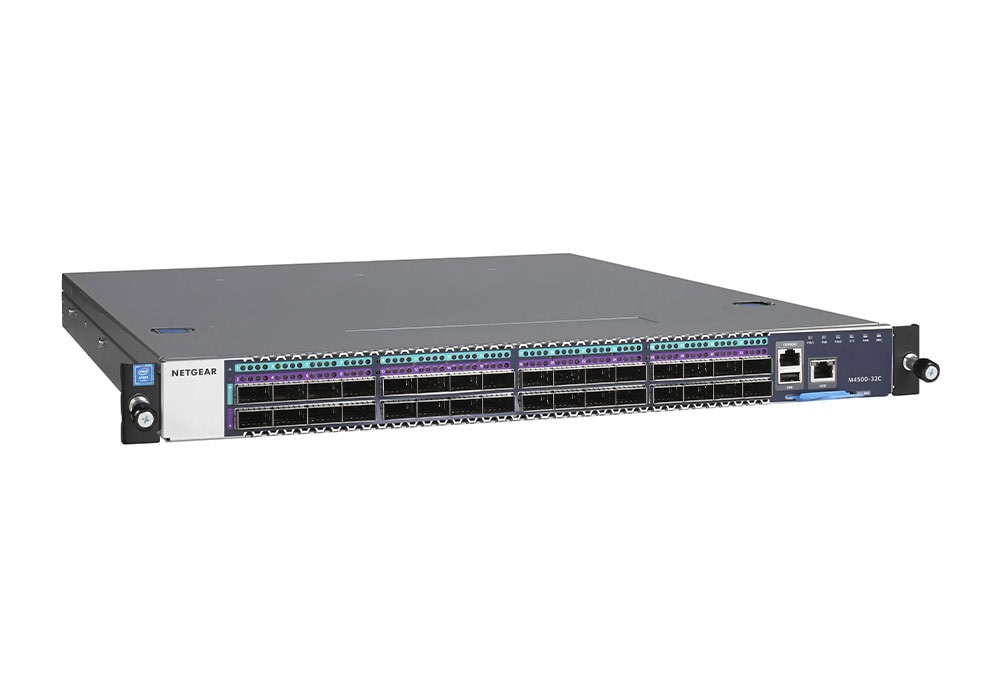
Netgear offers managed switches for demanding enterprise networks that require complete control of data traffic and centralised management. The switches offer high flexibility and security through features such as VLAN segmentation, data traffic prioritisation, Quality of Service (QoS) and port mirroring.
Extensive configuration options allow the network to be individually adapted to the requirements of the company. Many models support Layer 2/Layer 3 functions as well as PoE/PoE+ for powering connected devices. Management is carried out via the web interface or, depending on the series, also via the cloud.
Allied Telesis Campus Switches are ideal for enterprise and campus networks where high performance, security and scalability are critical. They offer reliable connectivity, flexible management and stable, uninterrupted network performance.
The switches support Layer 3 switching, high port density and PoE++ support to power end devices. Advanced features such as Autonomous Management Framework (AMF), Active Fibre Monitoring (AFM) and dynamic VLAN assignment ensure security and efficient management.
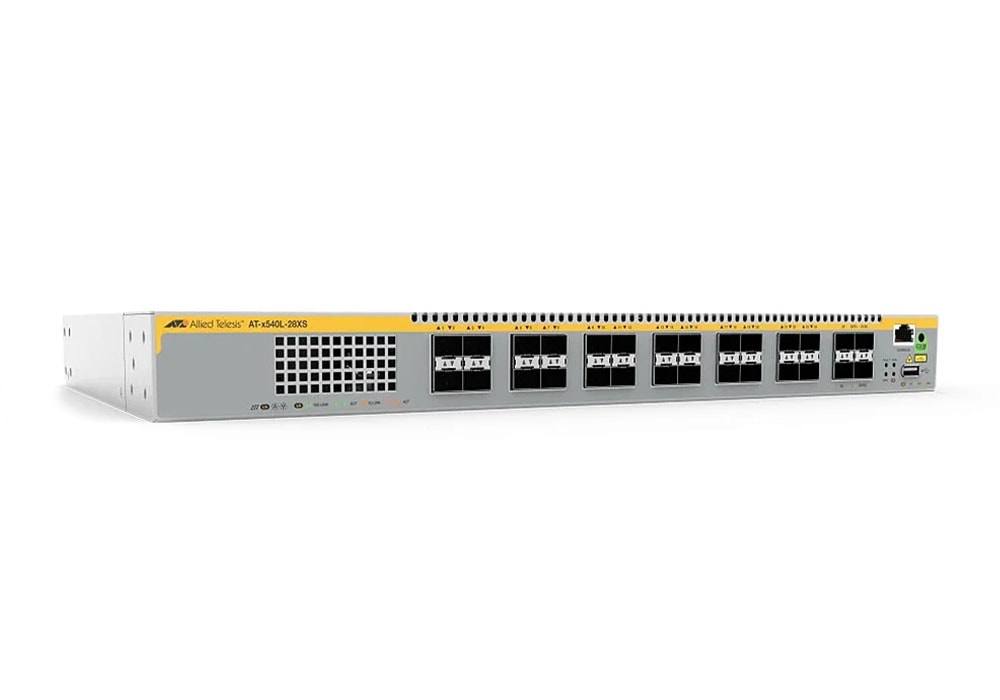
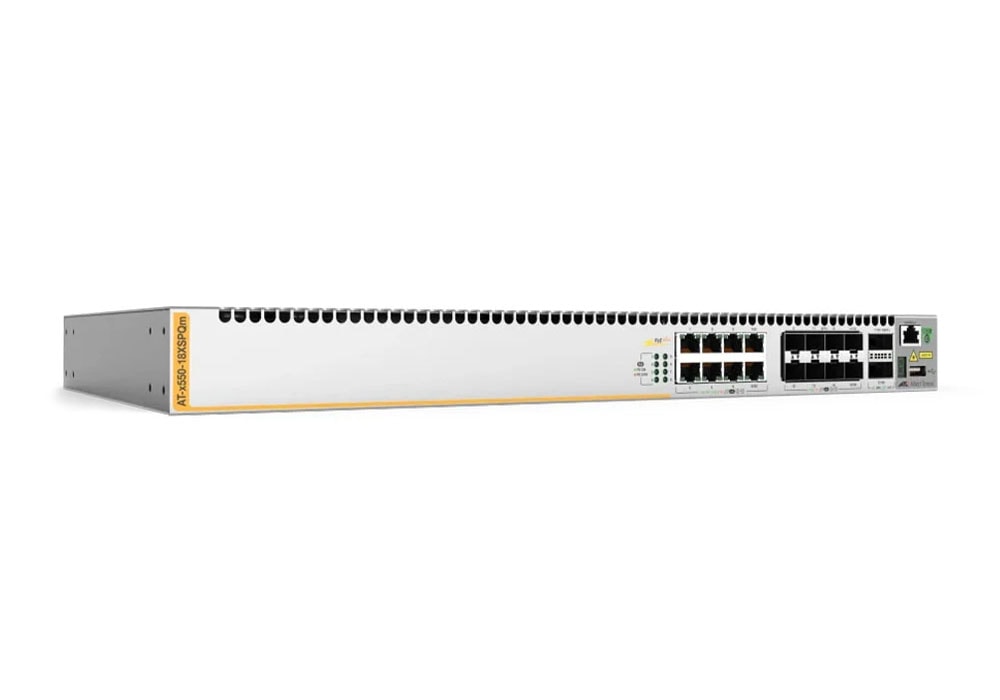
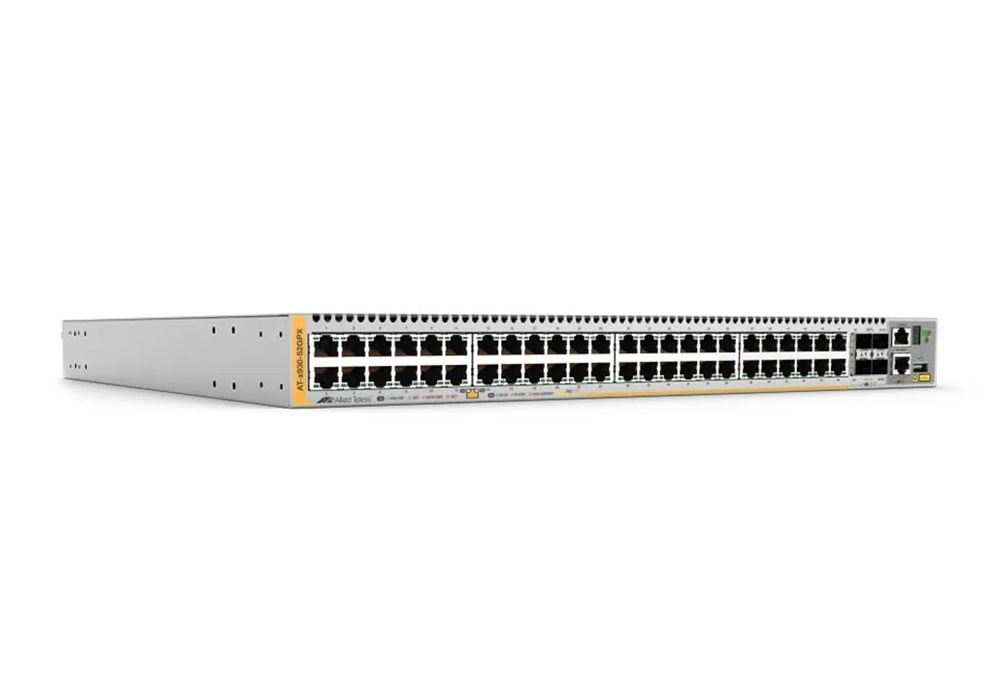
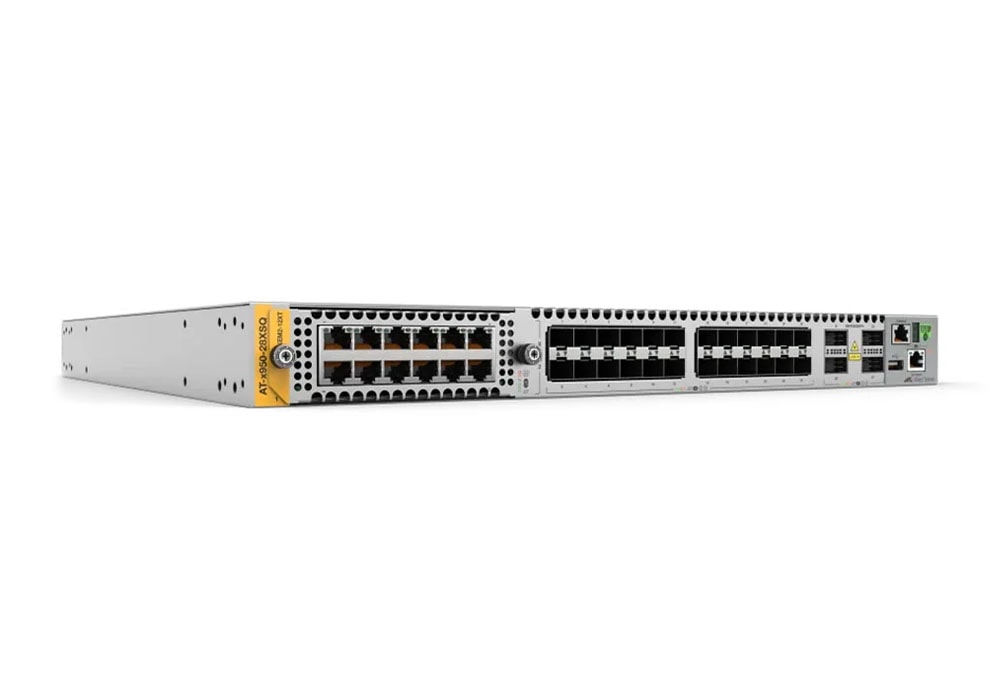
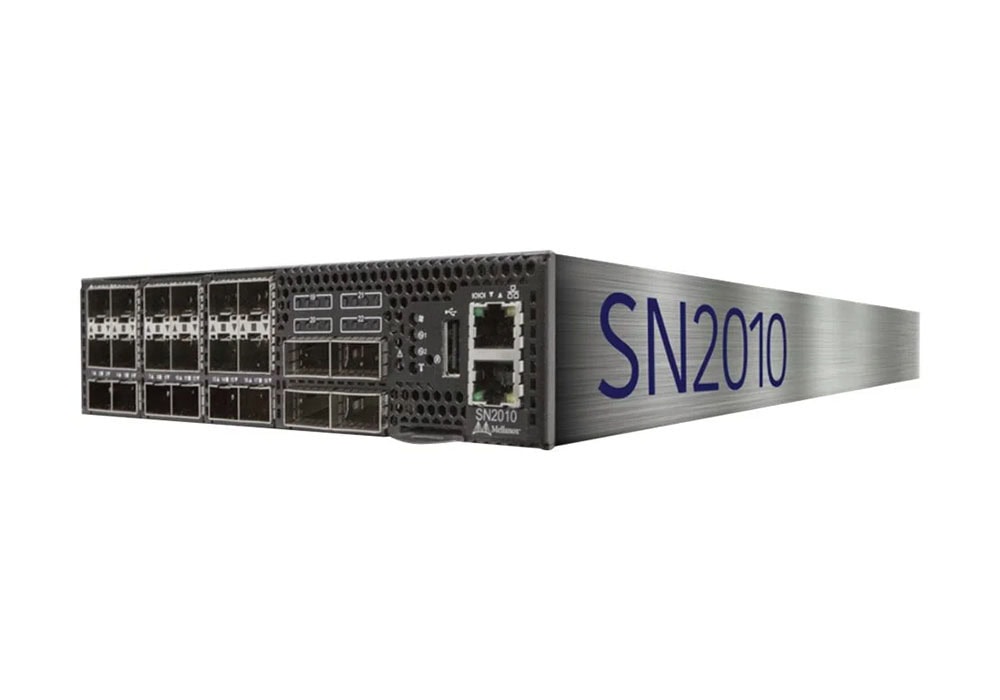
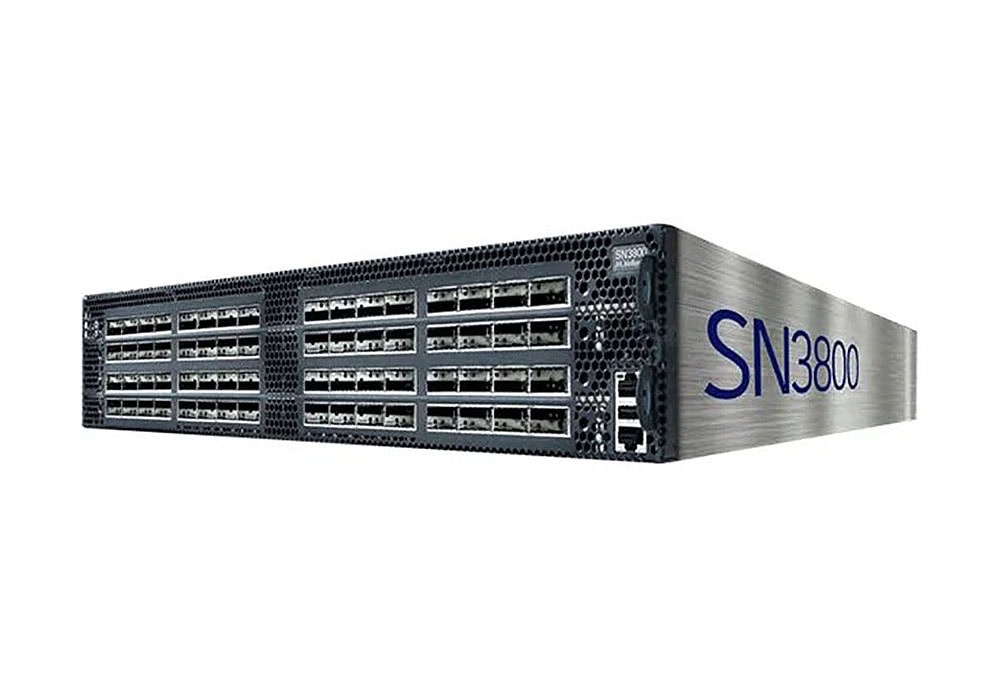
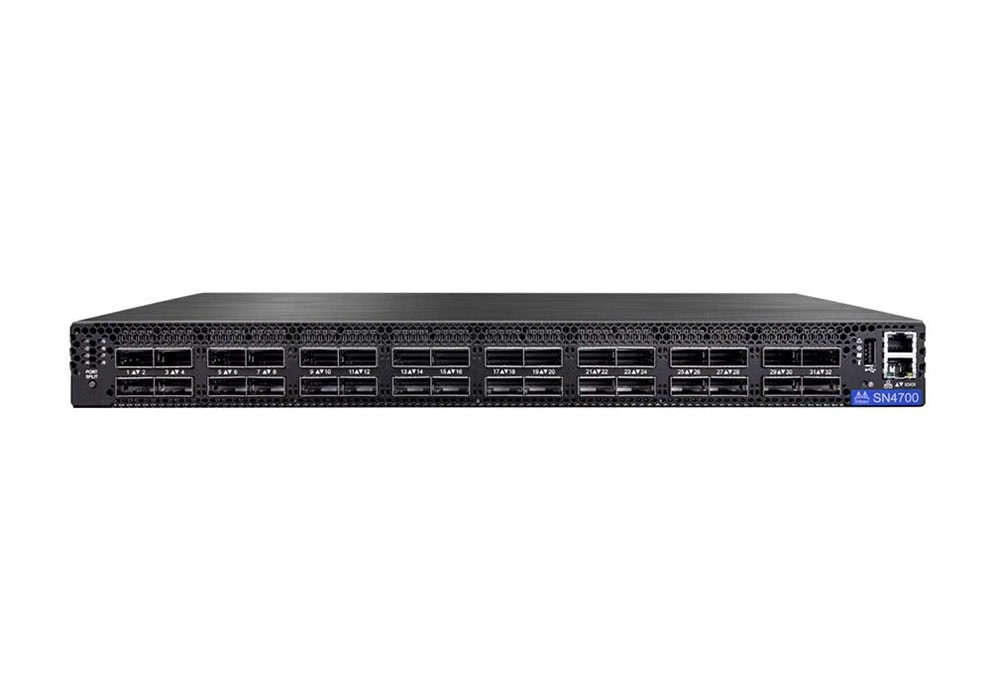
Mellanox NVIDIA Spectrum™ Ethernet switches offer powerful networking for modern hardware and software environments. They ensure high connectivity and use standardised Ethernet, which is particularly suitable for AI and high-performance computing. The switches support very high bandwidths and low latencies, enabling reliable network performance.
Thanks to support for multiple network operating systems such as NVIDIA® Cumulus® Linux or Pure SONiC, Spectrum switches offer a high degree of flexibility. In addition, features such as Layer 2/Layer 3 routing, redundancy mechanisms and energy-efficient design ensure a secure, stable network infrastructure.
| Switch series | Typical area of application | Scalability | Management & administration | Particular strengths |
|---|---|---|---|---|
| Cisco Catalyst 9200–9600 | Medium-sized businesses to enterprises, campus networks | High | Web GUI, CLI, Cisco DNA Centre | Highly reliable; wide range of models; Layer 3 functions; stacking options |
| HPE Aruba CX 6000–6300 | Medium-sized businesses, campuses | High | Cloud (Aruba Central), web GUI, CLI | Easy management; strong security; large selection of models; modern architecture |
| Juniper EX Series | Campus & enterprise networks, data centres | High | Junos OS, Juniper Network Director | Powerful features; Good automation; Stable performance; High security |
| Netgear Managed Switches | SMEs & medium-sized businesses | Medium to high | Web GUI, partially cloud-based | Good value for money; Flexible configuration options; High level of security |
| Allied Telesis Campus Switches | Enterprise & Campus | High | AMF, AFM, Web GUI, CLI | High security and automation; reliable connectivity |
| NVIDIA Mellanox Spectrum Switches | Data centres, HPC, AI environments | Very high | Cumulus Linux, Pure SONiC | Extremely high bandwidth; low latency; high connectivity |
Other manufacturers also offer suitable switch series for medium-sized businesses. Arista's 7000 series provides powerful switches with high availability and performance for large networks. Dell Technologies impresses with its N series, which supports enterprise performance, Layer 2/3 functions, stacking and PoE. Extreme Networks offers powerful enterprise switches with management functions, stacking and high port density with its X590 and X670 series.
We have put together a large selection of suitable switch series for medium-sized companies, which are also ideal for enterprise networks. The requirements of your company should be the most important factor. Compare these with the functions and criteria of the various switch series to find the right series and brand.
We are happy to advise you at any time if you need assistance with your selection. In our shop, you will find switches not only for medium-sized companies, but also for small networks and large data centres. You can easily request these using our enquiry form.
The right switch for a medium-sized company should enable a stable, secure and powerful network in which data traffic between connected devices is transmitted in a targeted and efficient manner. Managed switches, smart switches, Layer 3 switches and smart cloud switches are particularly suitable for medium-sized companies. The best option depends on the security requirements and size of the company, as well as the required functions and desired administrative effort.
Managed Switches:
Smart Switches:
Layer 3 switches:
Smart Cloud Switches:
Layer 3 switches are used when, in addition to classic switching functions, routing capabilities with high speed, low latency and integrated security functions are required. Routing here means the forwarding of data packets via IP addresses, which allows data traffic to be managed more efficiently than with a conventional router. Layer 3 switches are useful when connections between multiple VLANs or subnets are required, especially in medium to large networks with many users. They are particularly ideal for networks with many users. Access control lists (ACLs) can be used to further filter and monitor data traffic.
Communication takes place directly between the various VLANs at wired speed without the need for an additional central router. Layer 3 switches can also connect multiple LANs and VLANs to each other. Communication therefore takes place not only within the network, but also outside it. Layer 3 switches offer many advantages, such as improved security protocols and the use of logical addressing.
Switch series that enable efficient network structuring and targeted data traffic control are particularly suitable for enterprise networks. Common solutions include:
A PoE switch is required if network-compatible devices such as VoIP telephones, Wi-Fi access points, surveillance cameras or access control systems are used in the company and these are to be operated without a separate power cable. PoE switches are particularly well suited for medium-sized businesses, as they simplify the network structure and reduce installation costs.
PoE switches reduce cabling to a single Ethernet cable, which is used for both data transmission and power supply. The power supply is controlled centrally via the switch, which simplifies administration. New devices can be added quickly and easily, so the network remains flexibly scalable depending on the number of ports on the switch.
There are various PoE standards such as PoE (802.3af) for up to 15.4W per port, ideal for simple cameras and telephones. PoE+ (802.3at) provides up to 30W per port and is ideal for modern access points or surveillance cameras. PoE++ (802.3bt) offers 60 to 100W per port and is used for particularly power-intensive devices. Care should be taken to ensure that the maximum total power of the switch is not exceeded.