“IoT vs. Edge Computing” – few pairs of terms are pitted against each other quite so often. Yet the two are not competitors at all: one generates data, the other processes it closer to the source.
IoT is the what, Edge Computing is the where.
The Internet of Things (IoT) describes the world of connected devices: sensors, cameras, machines, your smart coffee machine, the pedometer on your wrist. Edge computing, on the other hand, describes a location where processing takes place – namely close to the source of the data rather than in a distant data centre. You can find further information on the topic of IoT in our article “The Evolution of the Internet of Things (IoT)”.
In other words: a temperature sensor is IoT. The difference with edge computing is that data is not sent unfiltered to the cloud. Instead, a local system on-site decides which information is truly relevant. So the two do not compete at all. They complement each other.
| IoT | Edge Computing | |
|---|---|---|
| What it is | Connected devices that generate data | A computing environment close to the devices |
| Main task | Detect, measure, control | Pre-process, filter, react immediately |
| Typical example | Sensor, camera, wearable device | Gateway, mini PC, on-site industrial box | Can it function without the other? | Yes (sends everything to the cloud) | Edge computing without a data source is pointless |
| A misconception | IoT = the cloud | Edge = a substitute for the cloud |
Advantages of IoT
Disadvantages of IoT
Advantages of Edge Computing
Disadvantages of edge computing
The disadvantages of one are often the strengths of the other – IoT creates the data problem, edge computing partially solves it, and what edge computing lacks in computing power, the cloud provides. That is why the hybrid combination is usually the best solution.
Because there are three very real issues at play: speed, money and control.
Data is not transmitted without delay. When a measurement is sent from a sensor to a cloud data centre and a response is returned, a measurable delay occurs – known as latency. In practice, this is often underestimated.
Various recent comparisons arrive at a surprisingly consistent range: cloud requests typically take between 50 and 200 milliseconds round-trip, and under unfavourable conditions (network jitter, multiple hops) can be significantly longer (PatSnap, 2026). Edge processing, on the other hand – i.e. directly on-site – ranges from 1 to 10 milliseconds depending on the setup (IndMall).
A common rule of thumb is that for a round-trip time of under 10 ms, the data centre would need to be located within approximately 200 km – something that centralised cloud providers simply cannot guarantee (Firecell, 2026). Google found that 500 ms more search latency reduced revenue by 20%; Akamai estimates that even a 100 ms delay results in around 1% fewer conversions (NetActuate, 2026).
For a self-driving car, a robotic cell in a factory or AR glasses, 200 ms is an eternity. This is where edge computing wins – not because it is ‘better’, but because it eliminates entire network paths.
Instead of relying on other people’s figures, let’s do it ourselves – and you can replicate this exactly. All you need is Python and a computer.
```python
import time
import statistics
import requests
# 1) ‘Cloud’ path: round trip to a remote server
def cloud_roundtrip():
t0 = time.perf_counter()
try:
requests.get("https://www.google.com", timeout=5)
return (time.perf_counter() - t0) * 1000 # in milliseconds
except:
return None
# 2) ‘Edge’ path: perform the same mini-task locally
def edge_roundtrip():
t0 = time.perf_counter()
sum(i * i for i in range(10_000)) # small local Invoice
return (time.perf_counter() - t0) * 1000
cloud = [x for x in (cloud_roundtrip() for _ in range(20)) if x]
edge = [edge_roundtrip() for _ in range(20)]
print(f"Cloud (Median): {statistics.median(cloud):.1f} ms")
print(f"Edge (Median): {statistics.median(edge):.3f} ms")
```
This has been kept deliberately simple: the cloud path is almost always in the double-digit to triple-digit millisecond range, whilst the local path is in the fractions of a millisecond. It is precisely the order of magnitude shown by the studies cited above. Replace the URL with a server on another continent and see how the figure skyrockets. That is the distance that edge computing eliminates.
The IoT generates absurd amounts of data. A widely cited IDC forecast predicted around 41.6 billion connected devices and 79 zettabytes of data by 2025 (IDC via Cablinginstall) – a zettabyte is a trillion gigabytes.
Other organisations calculate differently (IoT Analytics: ~21.1 billion devices, Statista: ~19.8 billion – depending on whether wearables and multi-purpose devices are included (Information Matters, 2026). The exact figures may vary, but the scale does not: tens of billions of devices, with a trend towards doubling every decade.
Every device that transmits data in full to the cloud incurs corresponding costs. Let’s work it out:
Sample calculation (actual AWS IoT Core list prices, US East region, as of 2026, rounded, excluding discounts):
Imagine 1,000 sensors, each sending a measurement every 10 seconds:
One aspect that is often overlooked is that AWS bills messages in 5-KB blocks. Even a 50-byte snippet is billed as 5,000 bytes (EMQ, 2025). With large payloads, this adds up significantly.
If the internet connection fails, a purely cloud-based solution comes to a standstill – a central server is a single point of failure (Firecell, 2026). An edge device continues to operate because the logic is local.
Added to this is the reality of the GDPR in Europe: data that never leaves the building is data about which you need to worry far less in terms of data protection. A camera that processes faces on-site to determine ‘Person detected: yes/no’ and transmits only this result is, in terms of data protection law, a completely different matter from one that streams every frame to the cloud.
| Your situation | Trend |
|---|---|
| The response must be received within ~50 ms (robotics, AR, vehicles) | Edge |
| Data volumes are huge, and bandwidth costs are a real burden | Edge (pre-filter!) |
| The connection is unstable or must not fail | Edge | For data protection reasons, data must not be disclosed | Edge |
| You need massive computing power, machine learning training and global analytics | Cloud |
| You want to analyse all locations centrally and display the results on a dashboard | Cloud |
| A realistic typical scenario | Both – hybrid |
The most honest answer is almost always: hybrid. The edge device reacts instantly and filters the data; the cloud receives the aggregated data to provide the bigger picture.
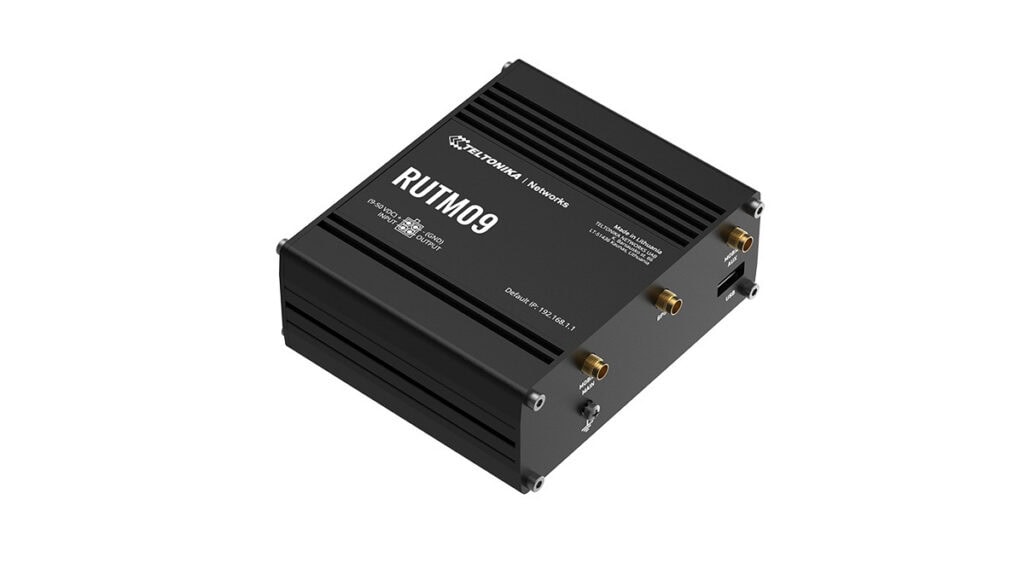
Teltonika is best known for its compact RUT series, which is designed for a range of M2M and IoT applications and can be flexibly configured. These devices are ideal for the edge: small boxes positioned right next to the sensors, which pre-process data locally and forward only the essentials.
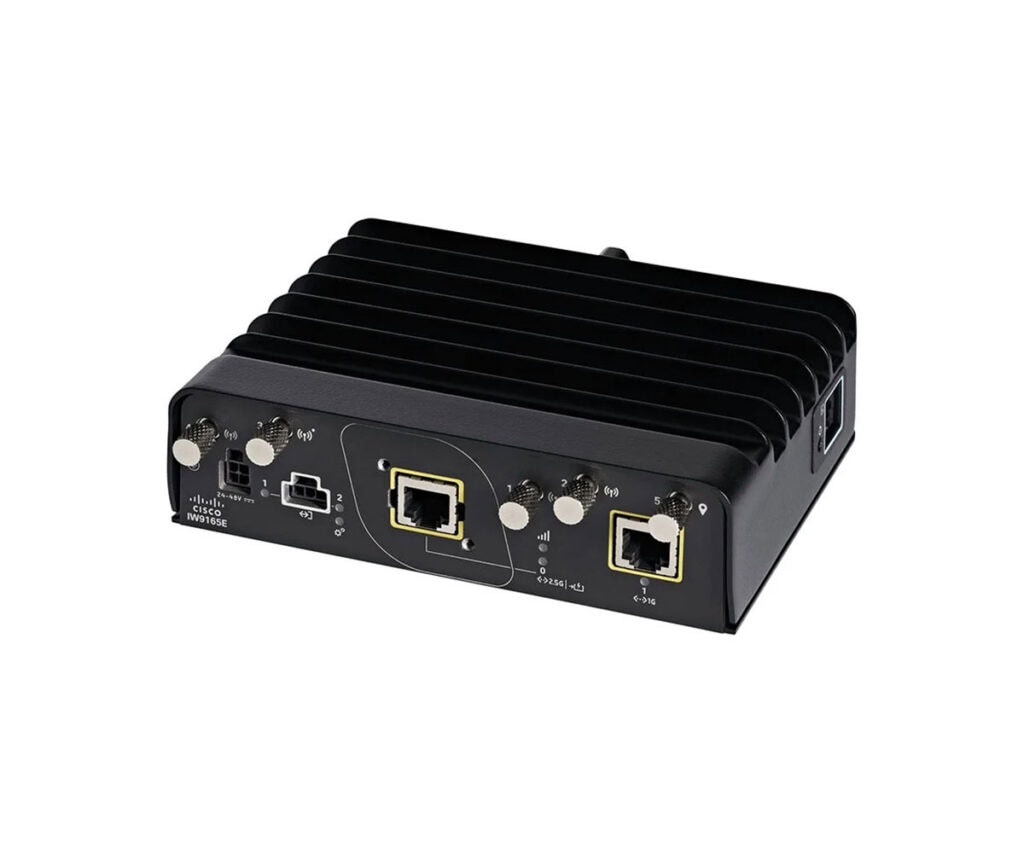
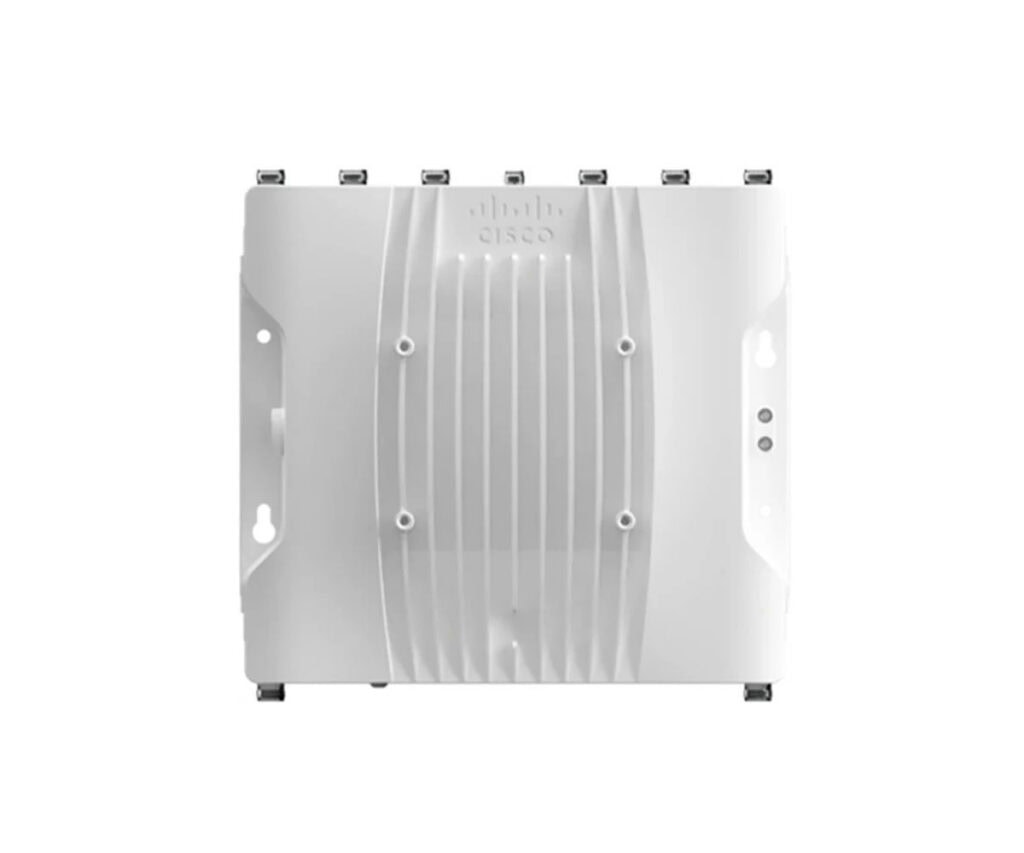
The Cisco Catalyst Industrial Wireless Access Points provide Wi-Fi connectivity and ultra-reliable wireless backhaul for locations where wired infrastructure is not feasible – such as mobile facilities or sprawling industrial sites.
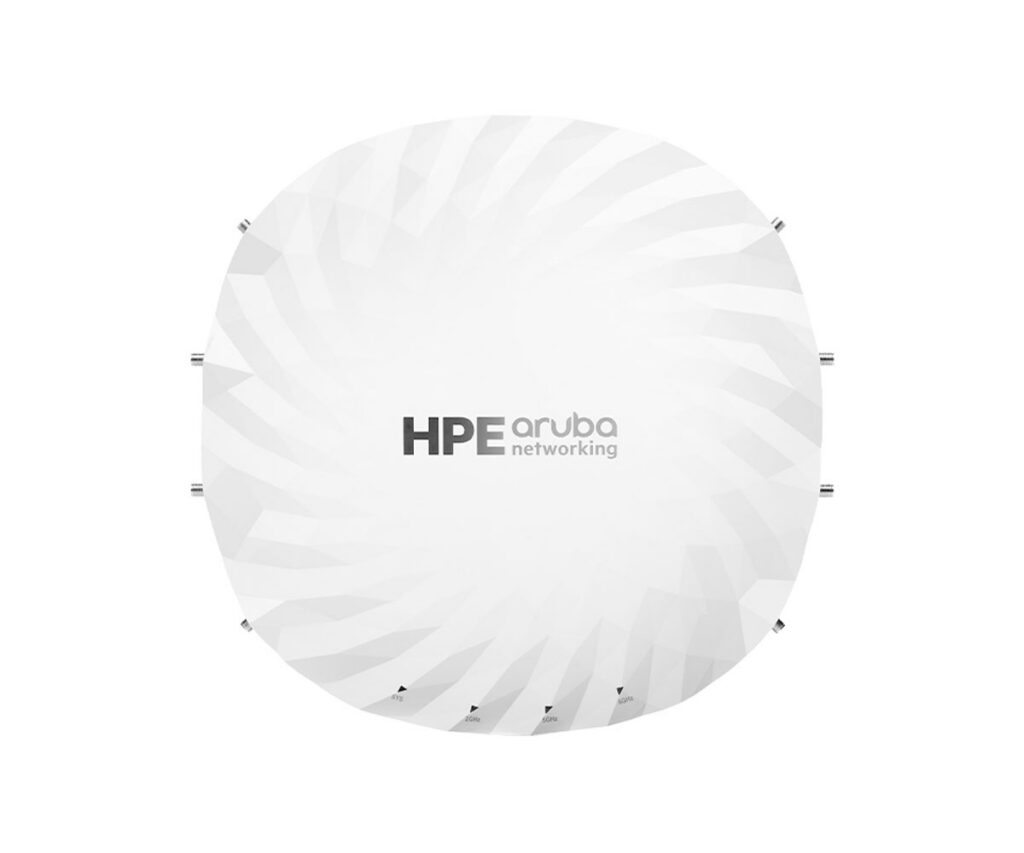
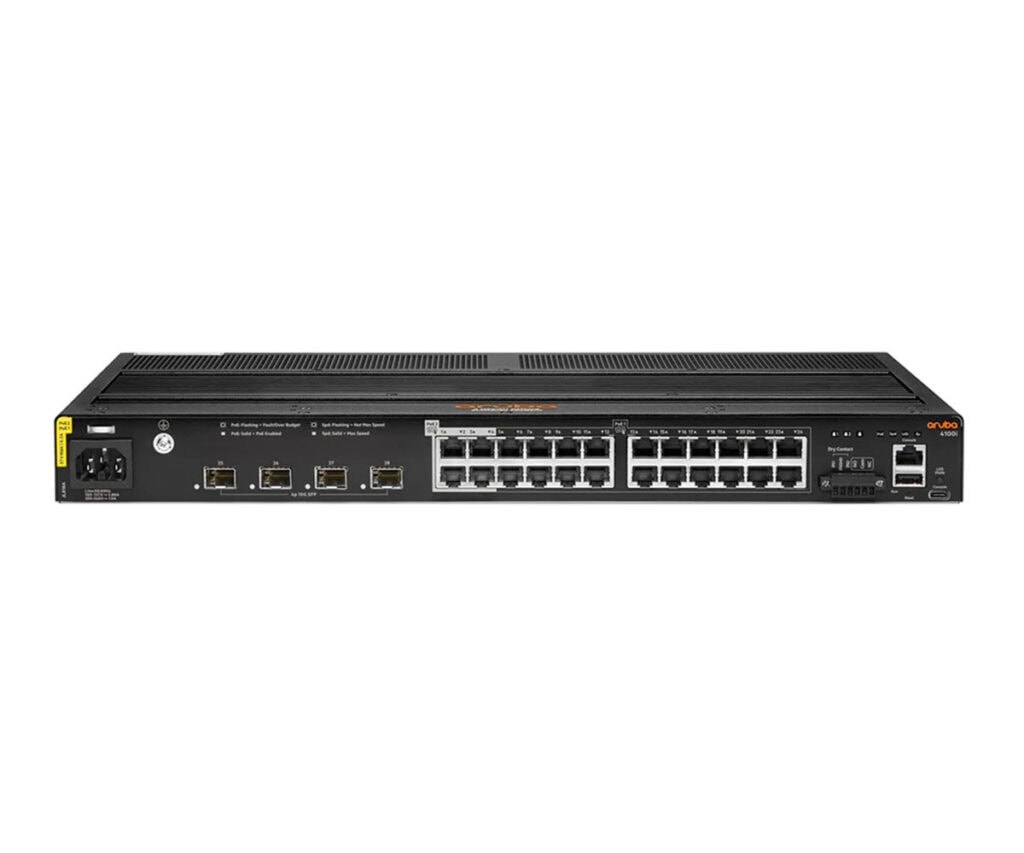
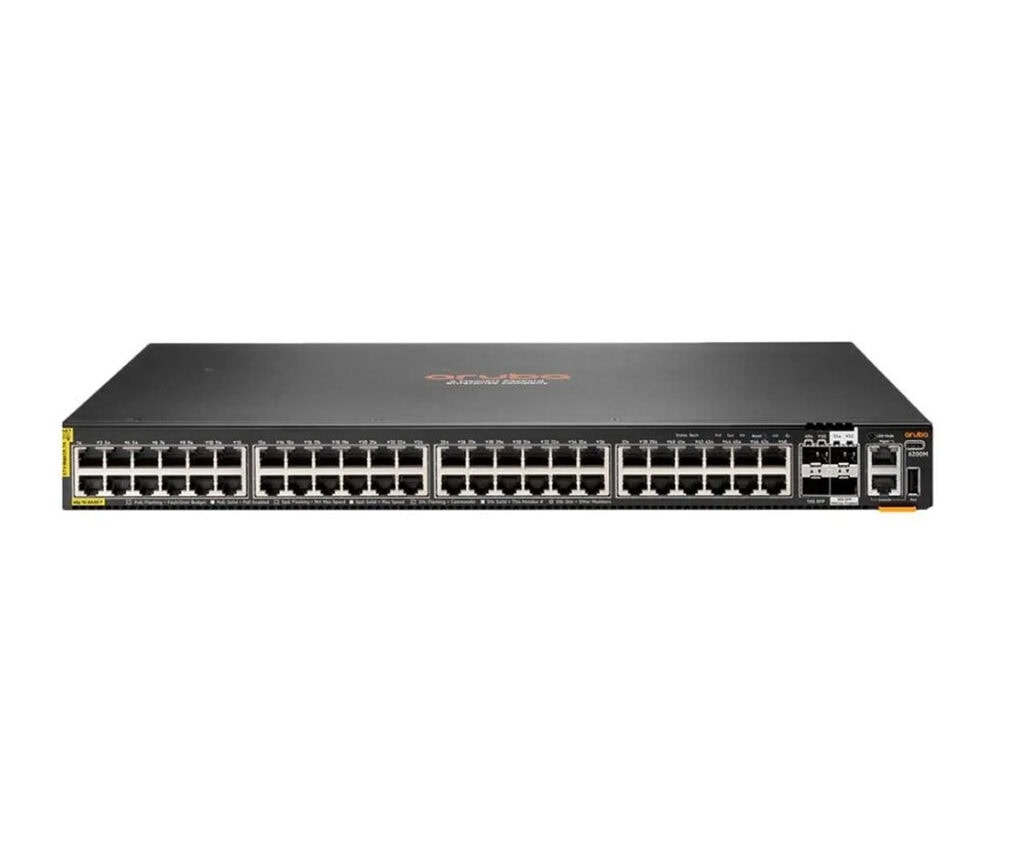
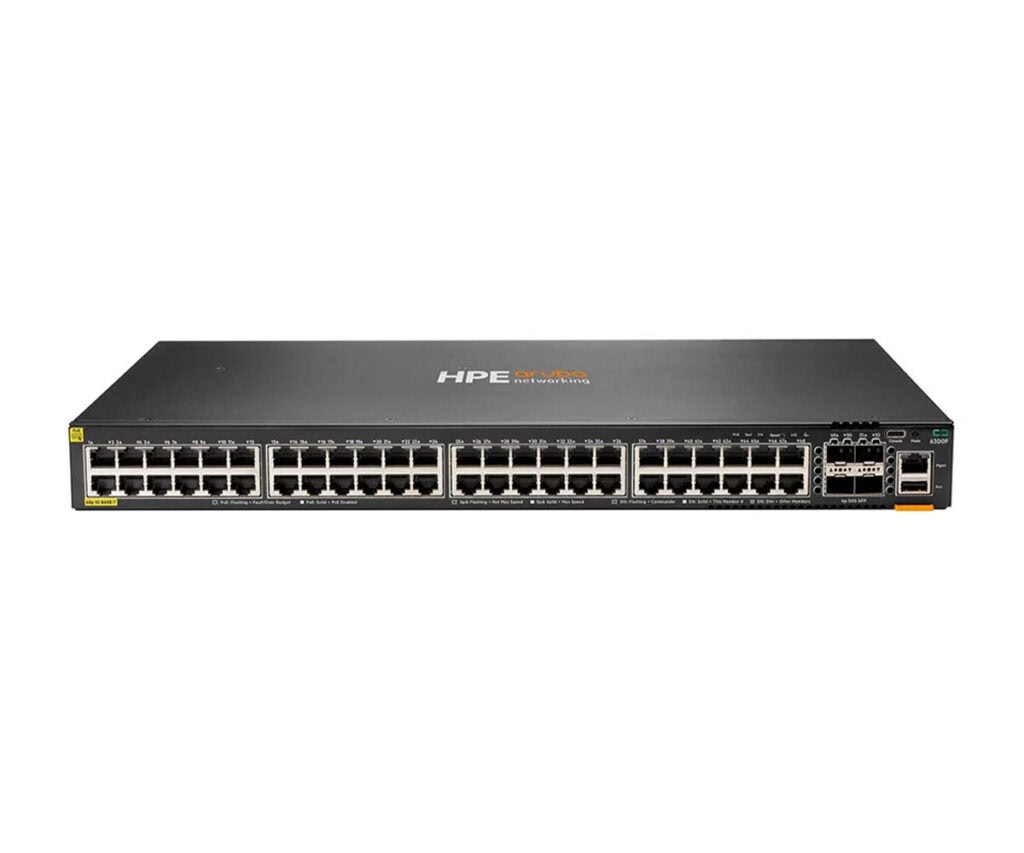
HPE Aruba specialises in Wi-Fi, switching and edge connectivity. The Campus Access Points, particularly the 750 Series, deliberately go beyond the basic Wi-Fi standard and offer advanced IoT capabilities. According to HPE, the CX 6200 Series is specifically designed for the enterprise edge and offers low-latency Layer 3 access switching with PoE up to 60 W per port. For slightly larger environments, the CX 6300 is the next step up. When it comes to harsh or industrial environments, the CX 4100i series delivers a secure, high-performance Ethernet connection for IoT and other devices.
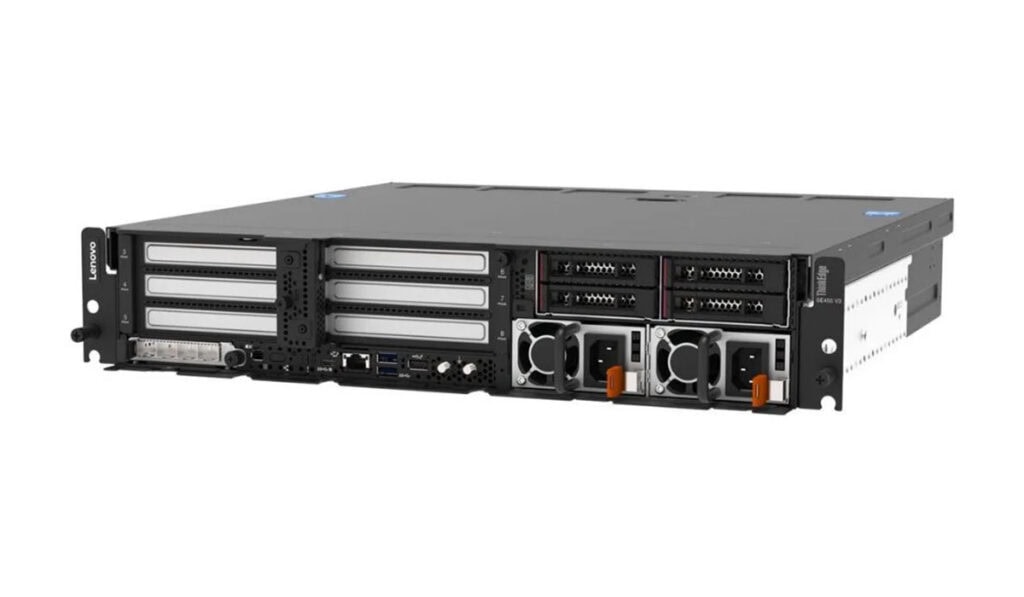
An edge server is essentially a smaller, often more robust server located close to the data source rather than in a central data centre – making it ideal for real-time local analysis. It comes into play whenever a simple gateway is no longer sufficient, for example when AI inference needs to run directly on-site. This category therefore bridges the gap between a small IoT gateway and the large cloud.
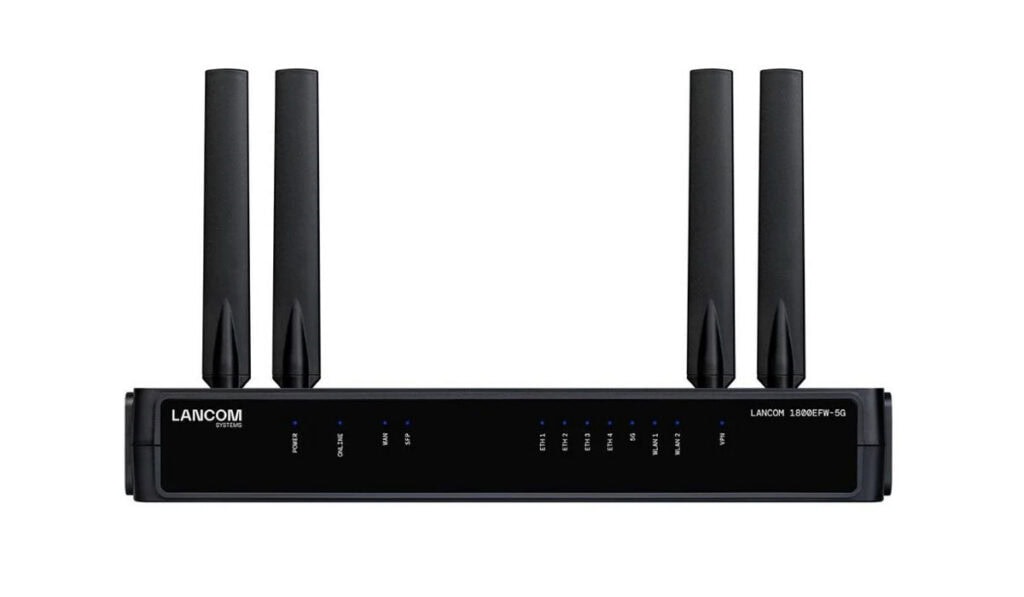
IoT gateways play a vital role in an edge architecture: they aggregate data from numerous sensors, translate between different protocols and determine which data is actually sent to the cloud.
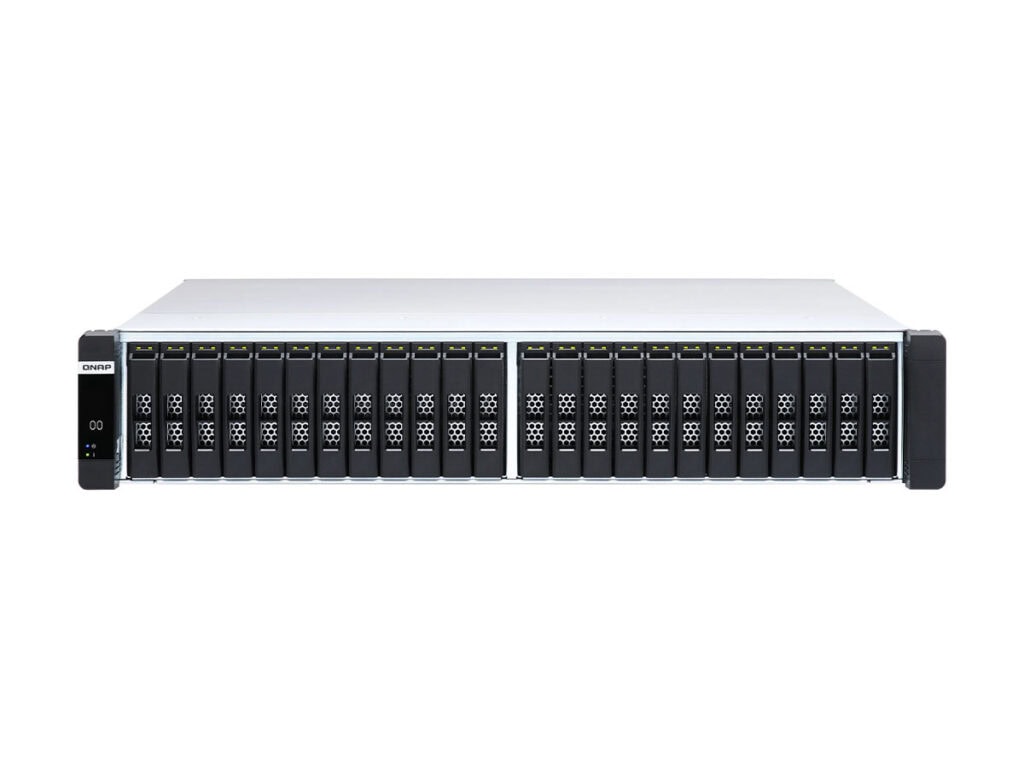
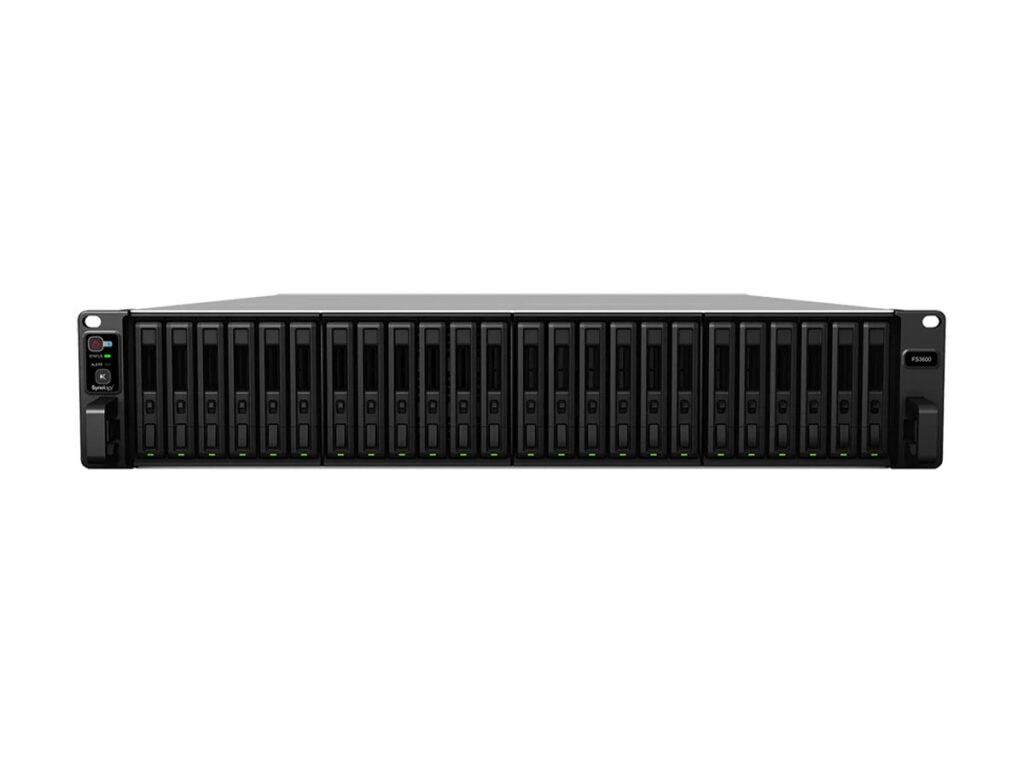
QNAP and Synology are the two leading brands for NAS systems – local storage servers for your own network. By storing your data locally rather than in the cloud, you retain control and can comply with GDPR requirements much more easily.
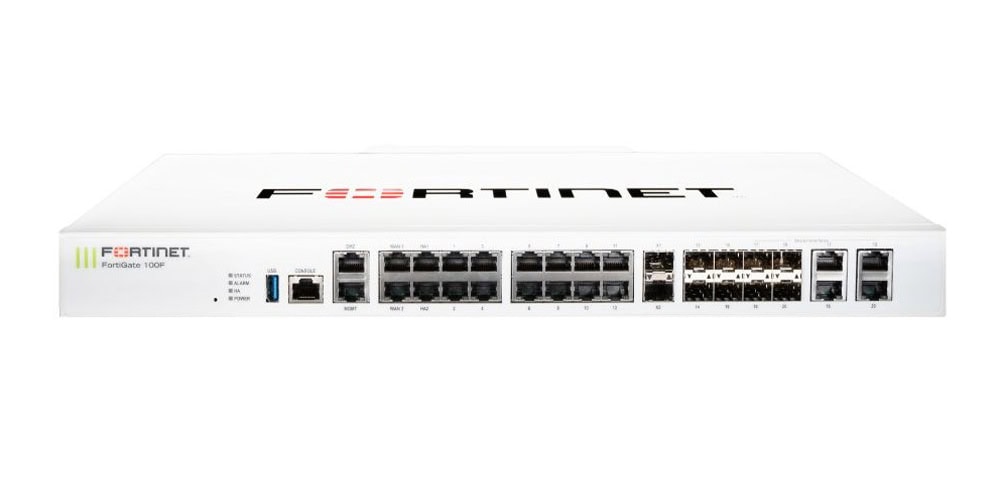
With its widely used FortiGate firewalls, Fortinet offers security solutions designed to protect networks and individual edge locations. By definition, edge devices are located at the network perimeter and are therefore potentially more exposed, which is why the use of a firewall is advisable.
IoT refers to data collection, edge computing to processing closer to the source, whilst the cloud is used for centralised analysis and scaling. In many scenarios, a combination of these approaches is used to meet latency and cost requirements.
Our advice: Recreate the mini-setup and run the script to understand the differences in practice. To suitably expand your infrastructure, you can request the products mentioned via the enquiry form.
IoT refers to the connected devices themselves that generate data – such as sensors, cameras or machines. Edge computing, on the other hand, describes the location where this data is processed: close to the source rather than in a remote cloud. In short: IoT is the ‘what’, edge is the ‘where’.
No. Edge handles what needs to be done quickly and locally; the cloud remains responsible for computationally intensive tasks, large-scale analyses and centralised evaluation. In practice, the two usually work together (hybrid).
Not necessarily. If latency, data volumes or data protection are a concern, edge computing is almost always worthwhile. For small projects with just a few sensors and non-critical data, sending data directly to the cloud is often sufficient.
It depends. Data that remains local does not leave the premises – which helps with data protection. At the same time, distributed devices at the network edge are more vulnerable to both physical and digital attacks and must be secured individually.
A gateway aggregates data from many sensors, translates different protocols and decides which data is forwarded at all. It is therefore the typical device on which edge processing takes place.
Yes, often significantly – because only the relevant data needs to be transmitted and processed in the cloud. The sample calculation earlier in this article shows just how much you can save.
For initial experiments, a Raspberry Pi and a few inexpensive sensors will suffice. In professional settings, industrial gateways, robust routers or compact edge servers are used.
5G delivers very low latency in the wireless network, thereby making edge applications mobile – for example, in vehicles or across sprawling industrial sites where cables are not an option.