In the world of network technology, switches play a crucial role, especially for companies of all sizes. But switches are often the inconspicuous players. Nevertheless, they can establish the connection between different devices, enabling communication between them. Switches are highly adaptable and versatile, making them an important part of the IT infrastructure. You can find out more about IT infrastructure in our blog post “Build IT infrastructure and benefit from improved processes”.
In this blog post, we show you the world of switches. We will help you decide which switch is the right one for your individual requirements.
Switches in detail
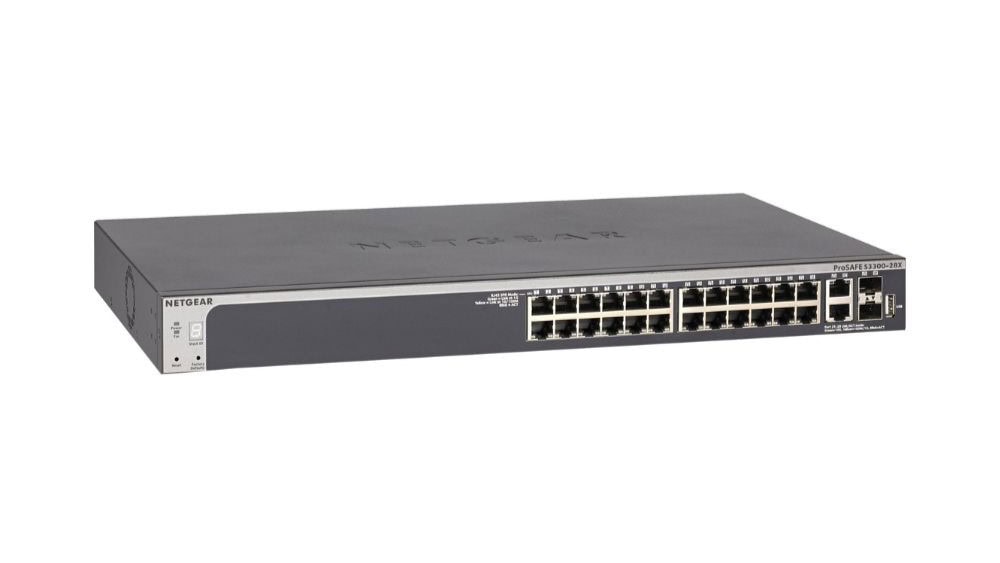
In our online store, we offer switches for small, medium-sized and large companies, including well-known brands such as HPE Aruba, Juniper, Brocade, Arista and Cisco.
For small to medium-sized companies:
Plus Switches:
Network functions: VLAN support, Quality of Service (QoS) and link aggregation
Easy installation and use via web-based user interface or mobile app
Stable and consistent network connection without complex configurations
More cost-effective option compared to fully managed switches
Power supply via Ethernet cable simplifies installation
Centralized power supply management
Save costs for separate power supply devices and installation of power lines
Security and emergency communication through PoE-enabled IP phones and surveillance cameras
PoE enables data and power to be transmitted via the same Ethernet cable. In suitable installations, this means there is no need for a separate power supply unit on the connected device or for an additional power socket at the installation site
Requirements for companies of all sizes
Small and medium-sized enterprises:
A network switch is essential for small and medium-sized businesses when setting up their internal networks. They promote collaboration by connecting people and devices in locations such as offices, departments or buildings. Therefore, small and medium-sized businesses need cost-effective switches with basic features that meet their networking needs:
User-friendly administration
High reliability, scalability and (failure) security
Good cost-benefit ratio
Reliable support and maintenance
High network speed (1 gigabit per second)
Appropriate number of ports (depending on the number of employees)
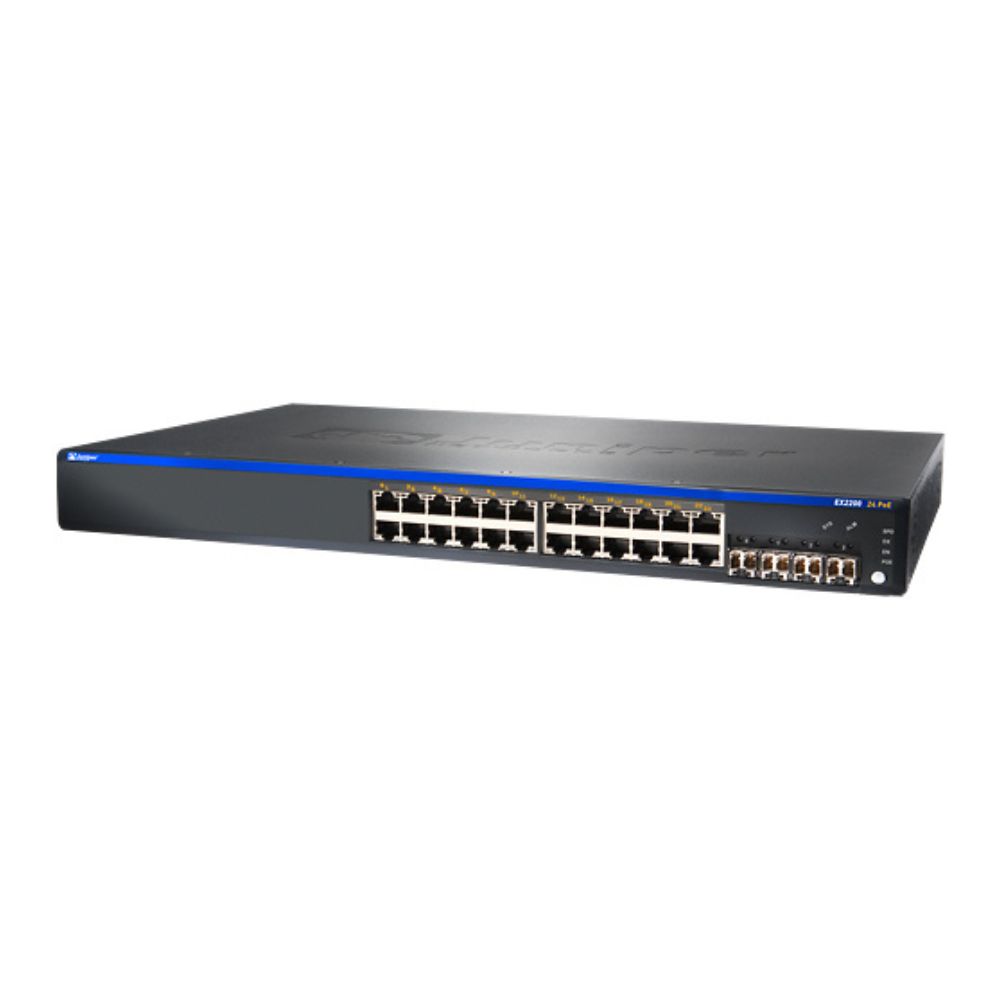
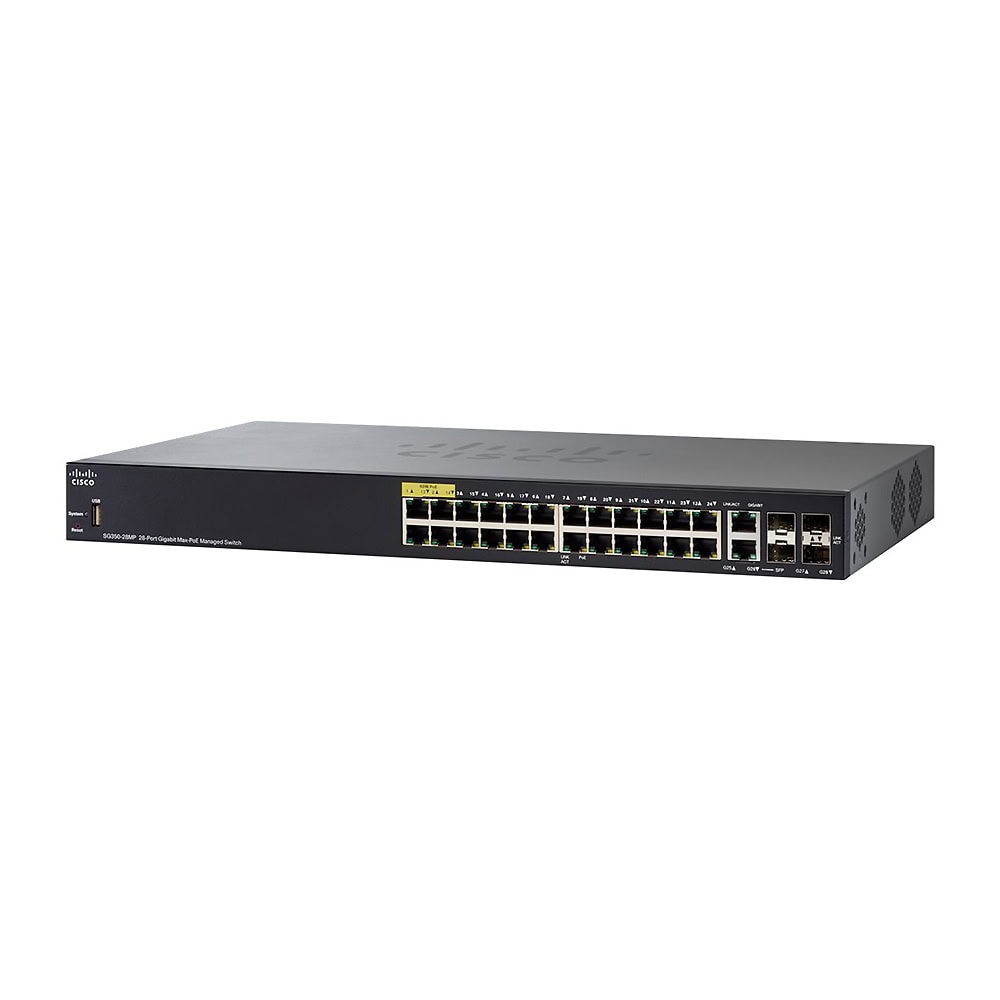
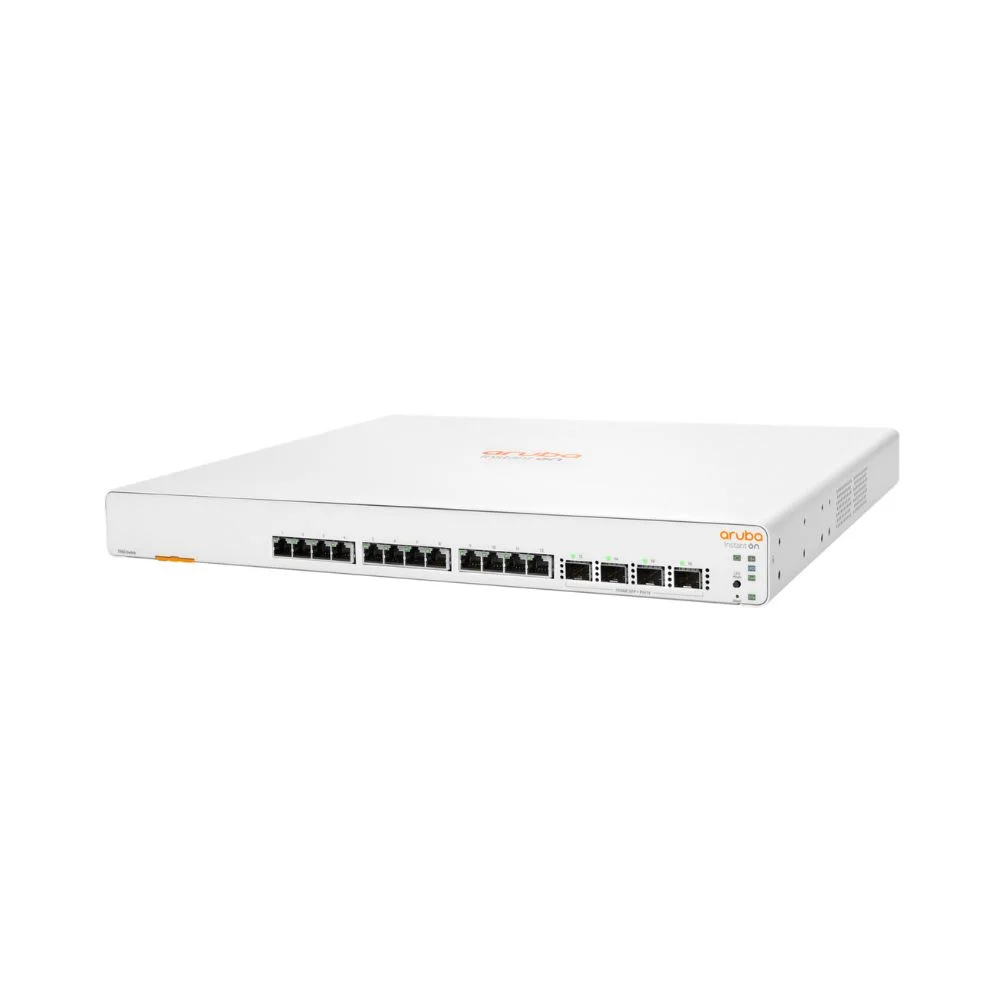
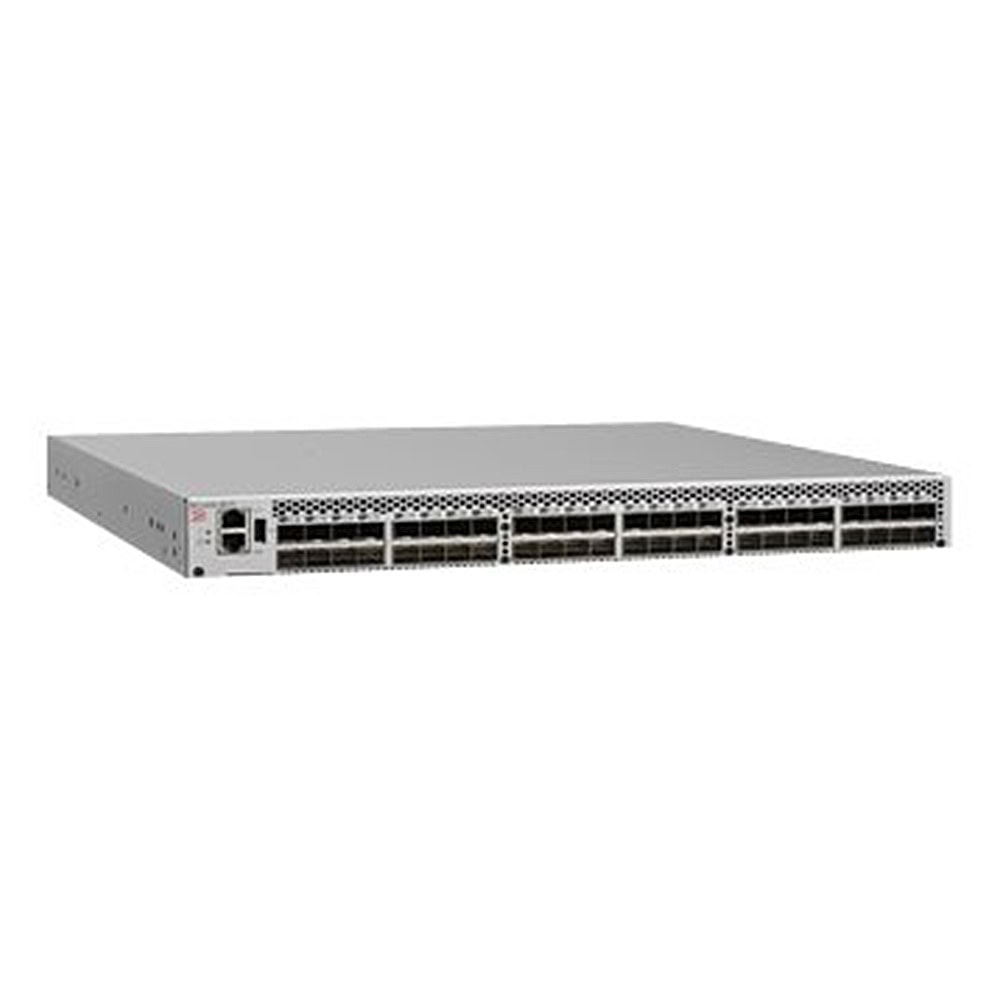
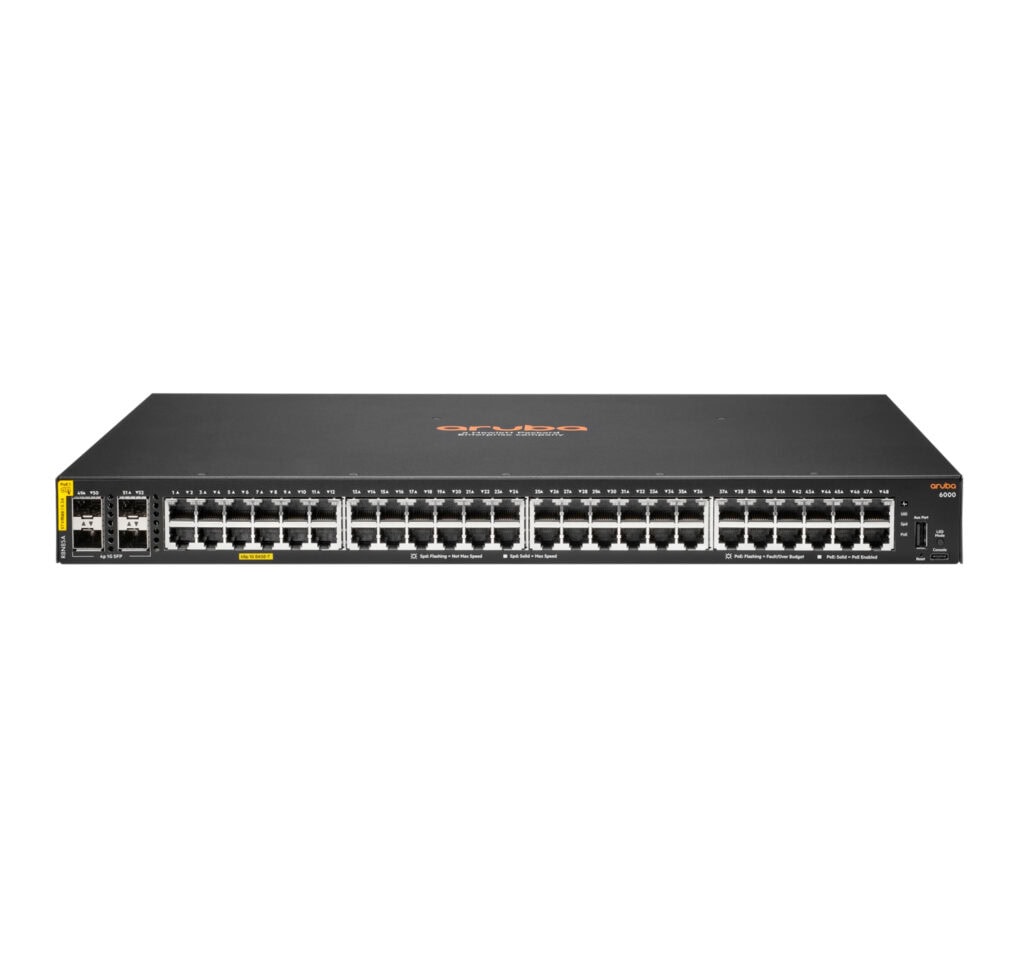
The following switches are merely examples and may be suitable for small and medium-sized companies:
In large enterprises, the requirements for switches often become more complex and multi-faceted as they must meet the diverse needs of extensive network operations. The most common requirements include:
Coping with increasing data traffic (40 to 100 Gigabit Ethernet)
Reliable fail-safe mechanisms to ensure network security
Comprehensive management functions (VLAN, QoS, Layer 3 routing) to control data traffic in a targeted manner and manage network resources according to requirements
Advanced security features to protect the network from threats
Easy integration with other network devices and platforms
Combine two or more network switches into a single unit for increased protection
Supported by reliable network connections and failover mechanisms (Spanning Tree Protocol and Rapid Spanning Tree Protocol)
Fast response times in the event of a fault and reliable support to minimize downtime
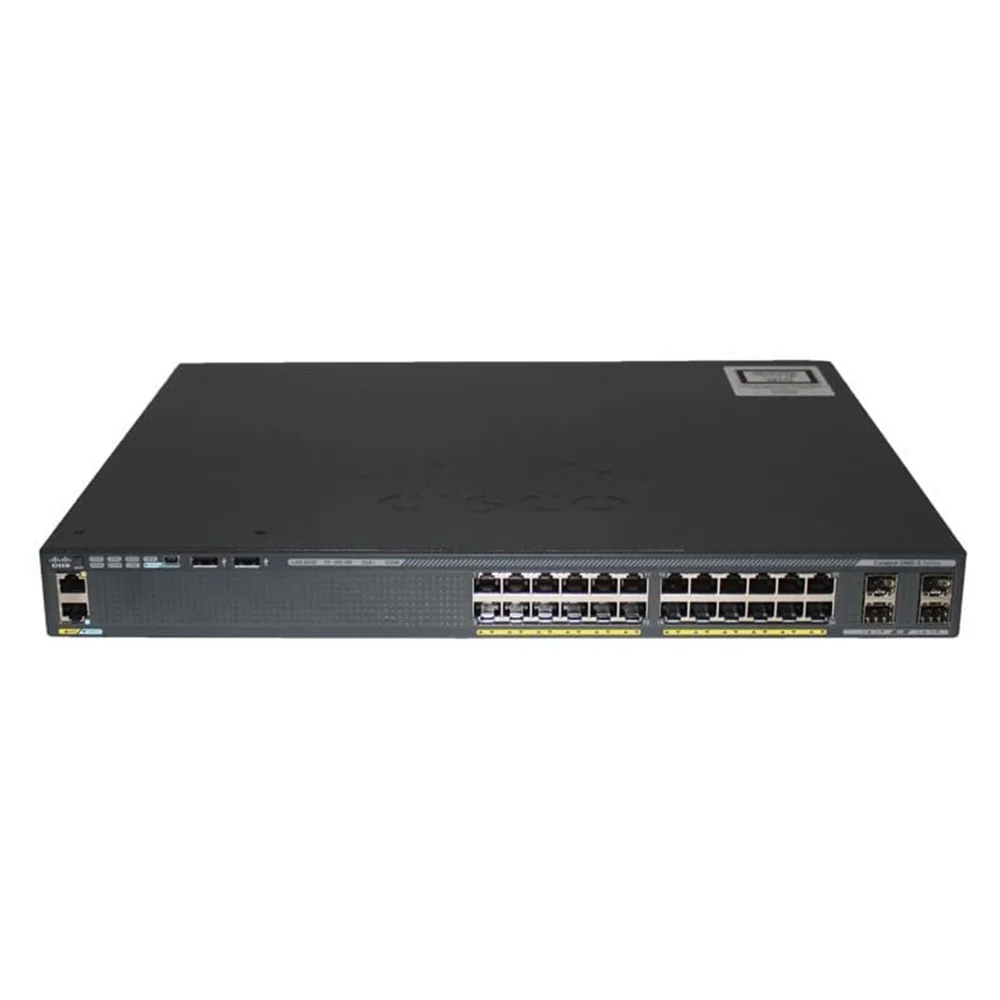
The following switches are merely examples and may be suitable for large companies:
Choosing the right switch for small, medium or large businesses requires a thorough analysis of network requirements to ensure optimal performance and reliability. Find out more in our blog post “Which switch is the right one? - from home application to large corporation” to find out more about how to choose the right switch solution.
Areas of application and requirements in various industries
Simple, centralised management of the switches can simplify network administration and assist with troubleshooting. The switches must also be able to keep pace with the growth of the respective industry.
Healthcare (doctors' surgeries, hospitals):
In the healthcare industry, switches must meet specific requirements to ensure security, privacy and performance. Some important requirements are:
Privacy protection: Security features must be in place to ensure the confidentiality, security and integrity of patient data in accordance with applicable regulations and to prevent unauthorized access and data loss.
High availability and resilience: Continuous network operation is crucial for critical systems such as electronic patient records and medical imaging.
Quality assurance: Switches should ensure the quality of services such as VoIP and medical imaging by enabling prioritized data transmission.
Flexibility: Switches must be able to facilitate the integration of new devices.
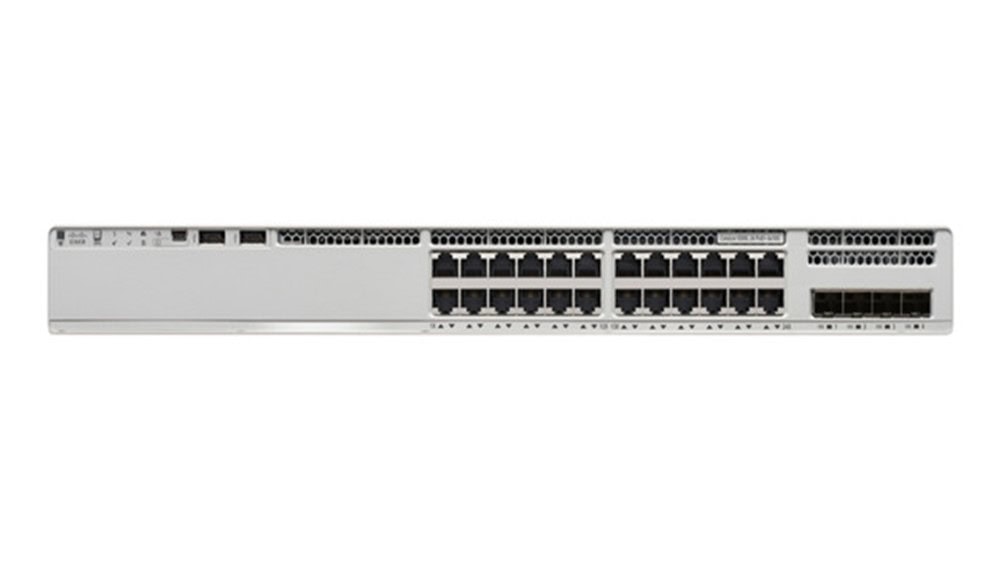
Here are some switches that fulfill these requirements: KVM switches provide secure access, control of multiple computers, remote access, activity monitoring and support for various peripherals. In addition, Cisco offers comprehensive security and QoS functions as well as failover mechanisms with its switches. One example from the Cisco Catalyst 9200 Series is the Cisco C9200-24P-A.
Cisco C9200-24P-A
Finance (banks, insurance companies):
In finance, switches must meet stringent security, privacy and compliance requirements to ensure reliability and performance. Some important requirements are:
Security and data protection: Switches must offer highly secure functions in order to protect sensitive information and comply with legal regulations. This includes VLAN segmentation, ACLs, port security, authentication, encryption and integrity checking.
High availability: Uninterrupted network availability (through Spanning Tree Protocol and Rapid Spanning Tree Protocol) is essential for critical applications such as online banking.
Quality of Service (QoS): Switches must provide QoS features to ensure the performance of key applications such as VoIP and online transactions.
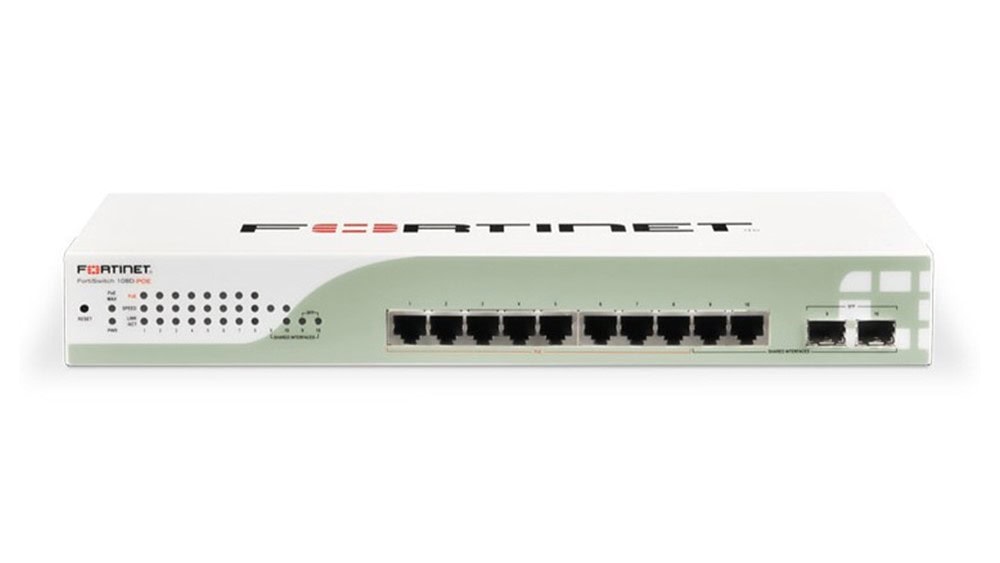
Here are some switches that fulfil these requirements: With its comprehensive portfolio, Fortinet offers comprehensive security functions such as intrusion detection system (IPS) and content inspection for the financial sector. One example of this is the Fortinet FS-108D-POE from the Fortinet FortiSwitch series. Fortinet FortiGate firewalls also guarantee high performance and scalability for demanding banking networks. They are cloud-based, which leads to better management and scalability.
FS-108D-POE
Retail and e-commerce:
In retail and e-commerce, specialized network and switch requirements are critical to ensure the smooth operation of retail outlets, online stores and back-office systems. Some important requirements are:
Security: Switches must provide robust security features, including VLAN segmentation, access control lists, port security, IEEE 802.1X authentication and encryption to protect sensitive customer data and meet regulatory requirements.
Reliability and resilience: Switches should support reliable network connections and resilience mechanisms, especially for the uninterrupted operation of retail outlets and online stores.
High bandwidth and performance: Switches must offer high throughput rates and low latency to handle the fast traffic of sales transactions and online orders, especially during periods such as Black Friday or Cyber Monday.
Quality of Service (QoS): Switches should support QoS features to prioritize traffic and ensure consistently high network performance for critical applications such as VoIP.
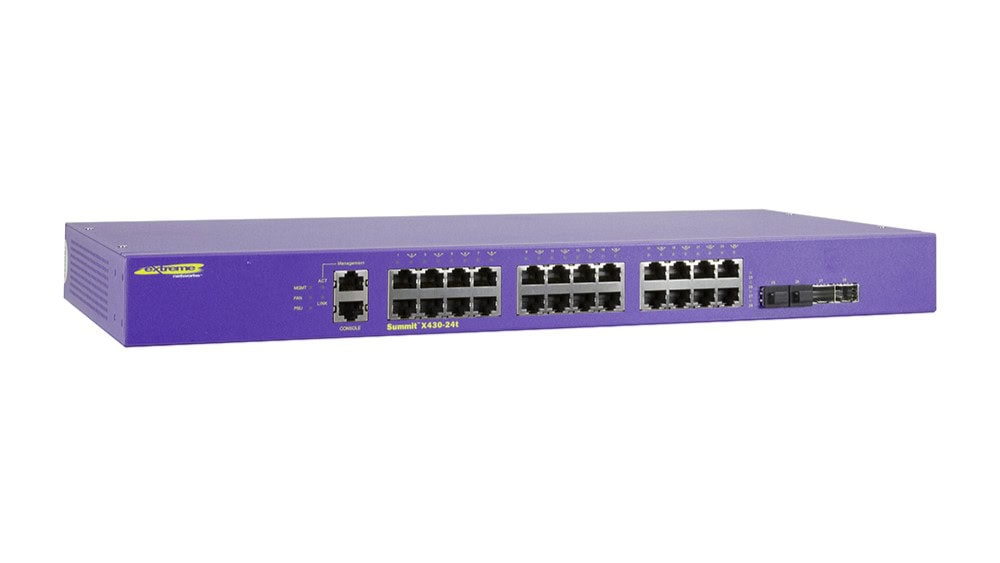
Here are some switches that meet these requirements: Extreme Networks offers a comprehensive range of security and QoS functions as well as integrated tools for monitoring and managing the network. One example is the Extreme Networks 16516 from the Extreme Networks Summit Switches series. These switches are scalable and offer high performance for use in demanding retail and e-commerce environments.
Extreme Networks 16516
Authorities and government institutions:
Government agencies and facilities have specific network and switch requirements to ensure security, privacy, reliability and performance. Some important requirements are:
Reliability: Continuous network availability is critical to the operation of government facilities. Switches should support redundant network connections, STP, RSTP, link aggregation and other resiliency mechanisms.
Privacy and compliance: Switches must ensure the confidentiality, integrity and availability of government information and adhere to privacy and compliance regulations, including security policies.
Resiliency and configuration: Switches provide resiliency and configuration flexibility to networks through reliable connectivity and resiliency mechanisms, as well as ease of configuration.
Quality of Service (QoS): Switches should support QoS features to ensure the performance of critical applications such as VoIP and video surveillance, ensuring consistent network performance.
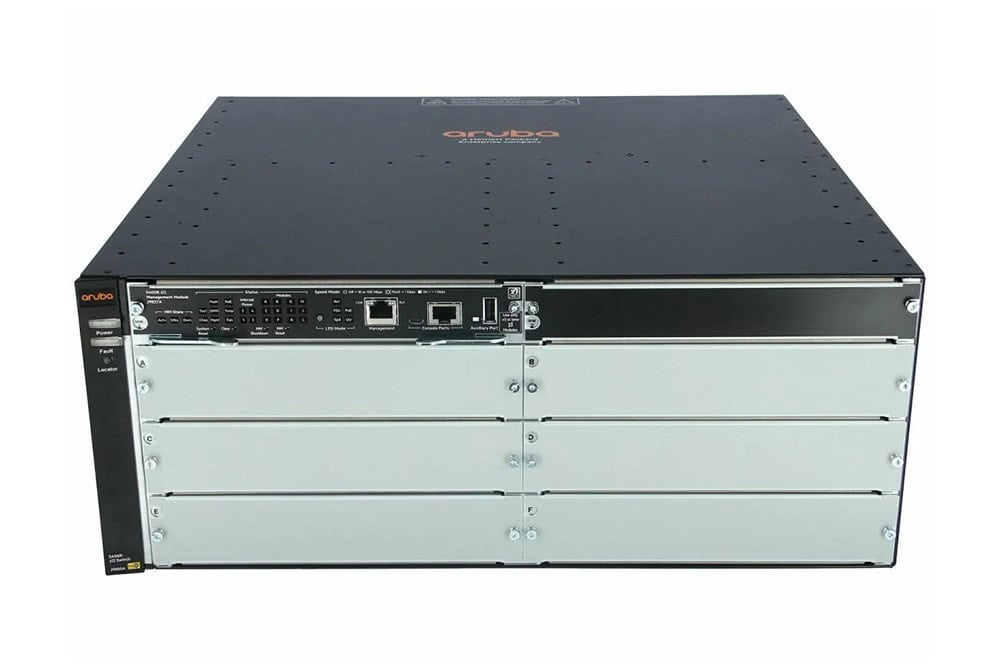
Here are some switches that meet these requirements: HPE Aruba offers rugged design, reliable performance and advanced security features for government organizations. One example is the HPE Aruba J9821A from the HPE Aruba 5400R switch series. It supports VLANs, access control lists, redundancy mechanisms and simple management to increase efficiency.
HPE Aruba J9821A
Production and manufacturing industry:
In the production and manufacturing industry, special requirements apply to networks and switches in order to optimize production processes, network systems and increase efficiency. Some important requirements are:
Robust design: Switches must be suitable for harsh industrial environments and have robust designs that are protected against vibrations, shocks, moisture and extreme temperatures.
Reliability: Continuous network availability is crucial for the smooth running of production facilities and production lines. Therefore, switches should support redundant network connections and failover mechanisms.
Real-time communication: Switches should provide features such as Time-Sensitive Networking (TSN) to ensure precise synchronization and real-time communication for machine and equipment control.
Security: Switches must provide robust security features, including port security, VLAN segmentation, ACLs and encryption to protect sensitive production data and meet regulatory requirements.
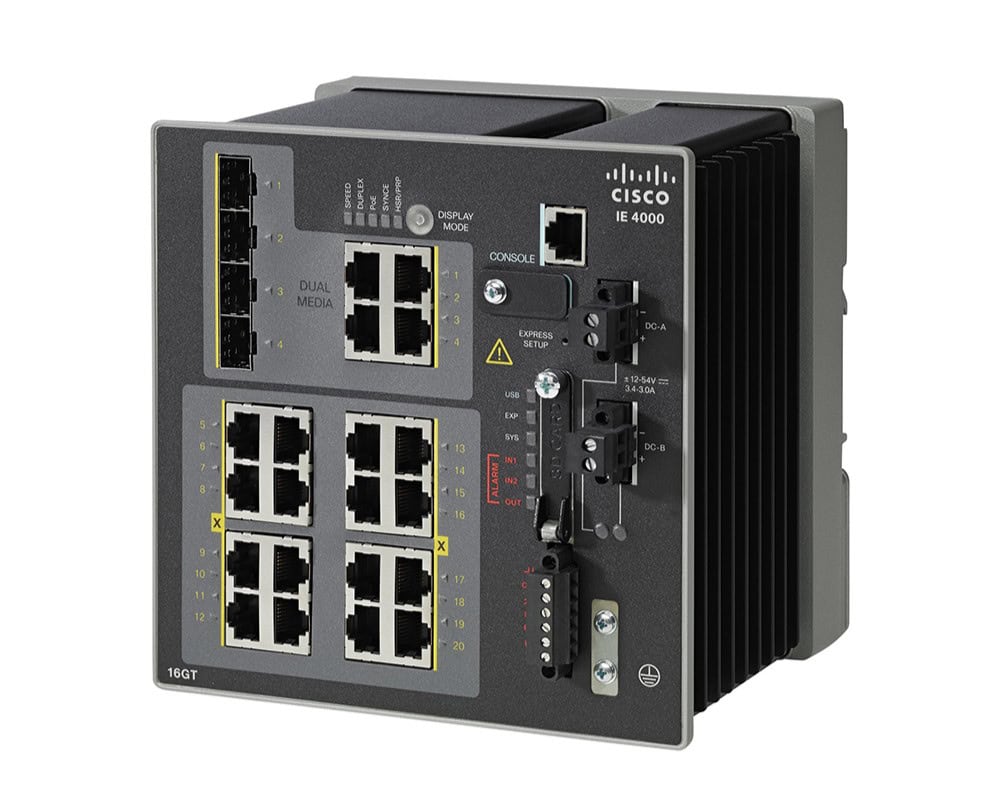
Here are some switches that meet these requirements: Cisco's switches offer robust design, real-time communication and advanced security features, including TSN, VLANs, port security, IEEE 802.1X authentication and encryption to protect production data. One example of this is the Cisco IE-4000-16GT4G-E from the Cisco Industrial Ethernet 4000 Series, which is designed for the manufacturing industry.
Cisco IE-4000-16GT4G-E
Education sector (colleges, universities):
In the education sector, from colleges to universities, there are special requirements for networks and switches. These must ensure the smooth running of teaching and learning environments, research facilities and administrative services. Some important requirements are:
Data protection: Switches must provide strong security measures to safeguard sensitive information and comply with legal requirements such as the Family Educational Rights and Privacy Act (FERPA).
Reliability and resiliency: Continuous network connectivity is critical to the smooth operation of teaching, learning and other educational services. Switches should therefore support redundant connections, STP, RSTP and other disaster recovery mechanisms.
Performance: To handle the data flow of teaching and learning applications and other services, switches need high bandwidth and performance, especially in environments with many users and large data volumes.
Quality of Service (QoS): Switches should offer QoS features to ensure the performance of important applications such as video streaming for distance learning or VoIP for university communications.
Here are some switches that meet these requirements: Switches from Netgear and HPE Aruba are ideal for small and medium-sized educational institutions. One example is the Netgear GS728TX-100NES from the Netgear Insight Managed Smart Cloud Switches series. They offer cost-effective, uncomplicated cloud management and support basic functions such as VLANs, QoS and port security for teaching and learning environments.
Netgear GS728TX-100NES
Recommendations and future outlook
In conclusion, it can be said that choosing the right switch for a company plays a decisive role in the efficiency and performance of its network. We will be happy to assist you with your selection. Simply request a quote from us.
Regardless of size, we recommend that companies carry out a thorough analysis of their network requirements and evaluate them. If necessary, you should seek expert advice to identify the best possible switch solution that supports your business goals and is future-proof. On our website you will find a wide selection of switches from various brands, including Cisco, HPE Aruba, Juniper, Brocade and many other manufacturers.
A network switch is a network device that connects various devices such as servers, computers and other network components in local area networks (LANs). It controls, filters and forwards data traffic within the network.
This takes place at layer 2 of the OSI model and with the help of MAC addresses, which uniquely identify the individual devices. This allows data packets to be forwarded to the correct end device, which increases efficiency and security in the network. A network switch also enables simultaneous data transmission in both directions (full duplex), which improves speed. Switches can basically be divided into managed and unmanaged switches.
Managed and unmanaged switches differ primarily in terms of their control and configurability:
Unmanaged switch:
Basic communication: Forwarding data packets between devices without complex configurations
Have basic switching functions, but without advanced configuration or management options
No major setup required
Ready to use immediately without additional configuration thanks to plug-and-play
No special knowledge or training required
Typical areas of application: Networks with a small number of participants and low data traffic
More affordable than other switch types and ideal for budget-conscious companies
Managed switch:
Advanced functions for configuring, controlling and monitoring the network
Comprehensive configuration options via a web-based user interface or command line interface
Advanced management functions: VLANs, Quality of Service (QoS) and Layer 3 routing
Setup and administration require experienced administrators or technicians
Precise configuration and monitoring of individual ports to optimise the network
High level of control over data management through protocols such as Simple Network Management Protocol (SNMP)
Continuous monitoring of data traffic for increased performance and security
Typical areas of application in large companies or complex networks with many devices
More cost-intensive than unmanaged switches due to advanced features
Choosing the right switch for a business requires a thorough analysis of network requirements such as network size, number of devices, required speed, and management and control requirements.
Small and medium-sized businesses:
Cost-effective and simple unmanaged switches with basic functions
Network speed of up to 1 Gbit/s
User-friendly management and reliable scalability
Number of ports appropriate for the number of employees, usually 5, 8 or 16 ports
Larger office networks and enterprises:
Smart managed or managed switches for high security
Designed for high data traffic between 40 and 100 Gigabit Ethernet
Network speed from 2.5 Gbit/s to 10 Gbit/s
High reliability and comprehensive management functions
Easy integration into existing networks, usually expandable to 24 or 48 ports
Fast response times in the event of a fault
Power over Ethernet (PoE) is responsible for the simultaneous transmission of data and power via a single LAN cable.
The use of PoE is particularly useful when:
WLAN access points are installed on ceilings or walls where there is no power socket
IP surveillance cameras are mounted in hard-to-reach or remote locations
VoIP telephones, IoT devices or smart home systems need to be supplied with power