Whether in the warehouse, on the production line or in retail, businesses have to record large quantities of goods, products and information on a daily basis. Where such data is entered manually, errors and unnecessary effort can quickly arise.
This is precisely where Auto-ID solutions come in. They enable goods, products or other objects to be identified automatically and the recorded information to be transferred directly to the relevant systems. Depending on requirements, this can be achieved using, for example, barcode scanners, mobile computers, label printers or RFID technologies.
But which solution is right for your business? And what should you look out for when making a purchase?
Auto-ID stands for automatic identification and data capture. It refers to technologies that enable information about goods, products, devices or other objects to be captured automatically.
In day-to-day business operations, barcodes, 2D codes and RFID are the most commonly used technologies. Instead of entering information manually into a system, data is captured – for example, using a scanner – and then transferred to a merchandise management system, an ERP system or other business software. This can significantly simplify processes: during a stock-take, for instance, items no longer need to be entered individually. In goods-in, products can be recorded directly, and in the warehouse, stock movements can be documented more quickly.
Which Auto-ID solution is appropriate depends heavily on the specific process. A simple barcode scanner may be entirely sufficient for a workstation, whilst a warehouse equipped with mobile computers and label printers presents entirely different requirements.
Not every business requires the same Auto-ID hardware. Key factors include the location of use, the volume of data to be recorded daily, the level of mobility required and the existing IT infrastructure.
| Product category | Typical applications |
|---|---|
| Barcode scanner | Point of sale, warehouse, goods receipt, stock-taking, production |
| Mobile devices and terminals | Warehousing, order picking, stock-taking, logistics, production |
| Label printer | Product labelling, dispatch, warehousing, production |
| Accessories and consumables | Supplementing and maintaining the ongoing operation of Auto-ID systems |
| Software, Services and Licences | Device management, printing, integration and support |
When making a selection, therefore, one should not focus solely on the individual device. What matters far more is how well the overall solution fits in with the existing workflow.
Barcode scanners are among the best-known auto-ID solutions and are an integral part of day-to-day operations in many companies. They capture barcodes optically and transmit the information they contain to a connected system.
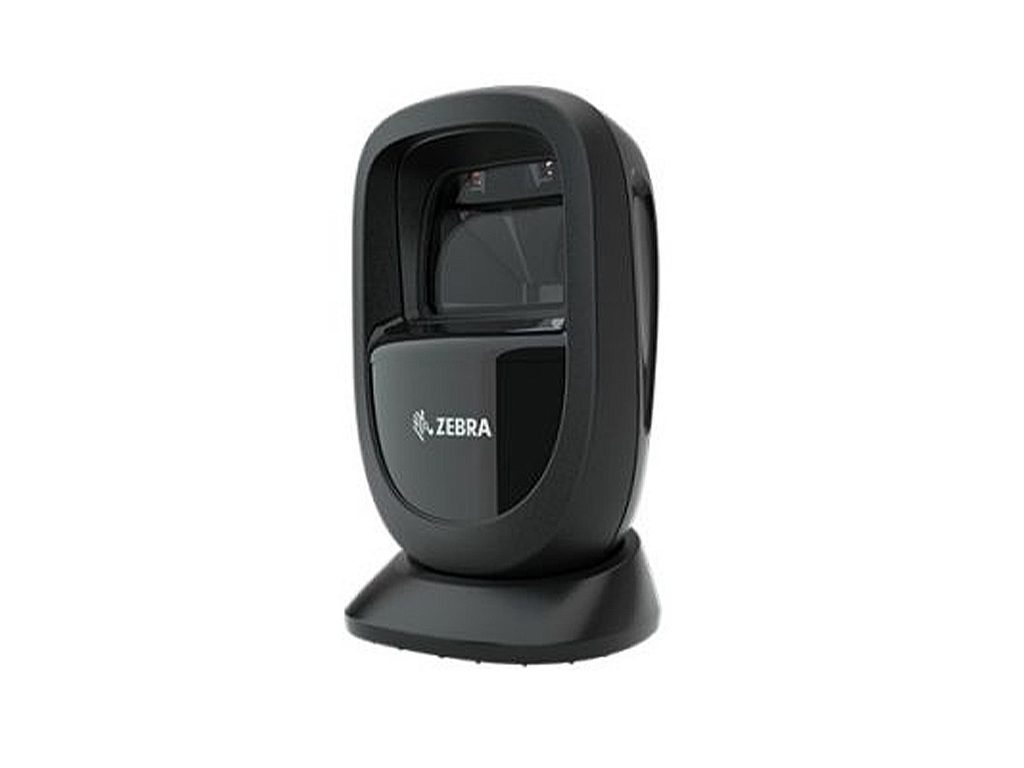
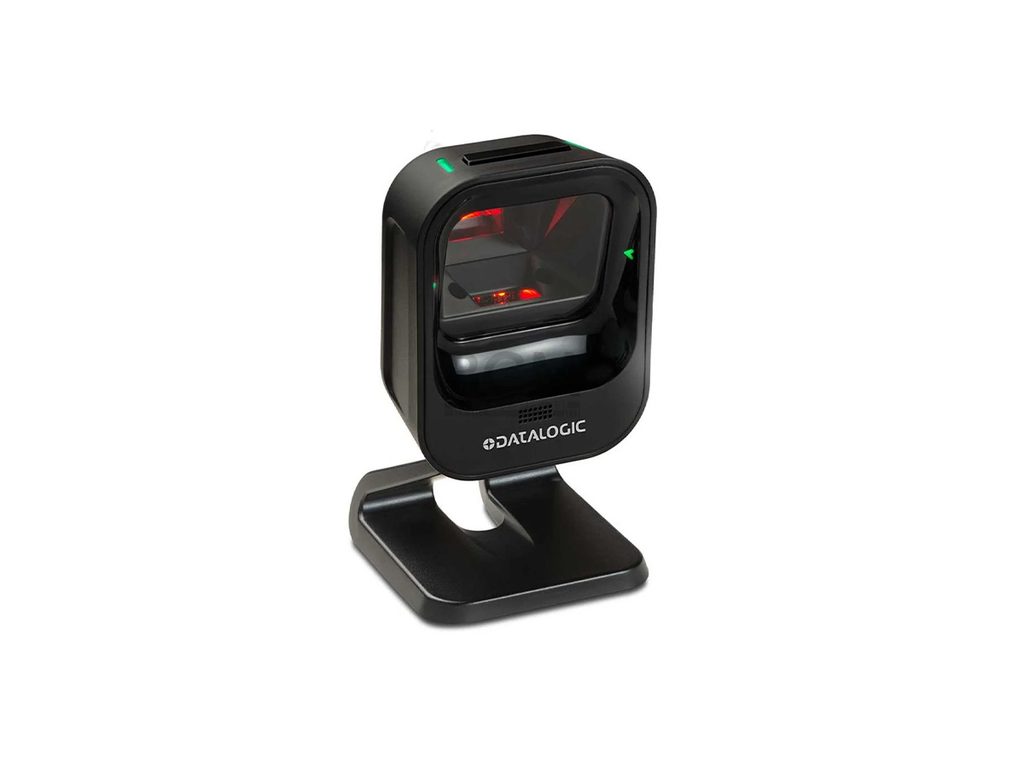
There are different designs depending on the area of application. Handheld scanners, for example, are suitable for workstations where products are scanned one after the other. Presentation scanners can be a good option when goods need to be scanned quickly and, if possible, without any additional manual handling. Particularly robust models are also available for industrial applications.
When making a new purchase, the question often arises as to whether a 1D or 2D scanner is required.
Which option makes sense depends on which codes are actually used within the company and what requirements might arise in the future.
There are also differences when it comes to connectivity.
When making a selection, companies should therefore consider not only scanning performance, but also working distance, ergonomics, connection type and the operating environment.
If staff need to capture data not at a fixed workstation but directly in the warehouse, on the production floor or at goods-in, mobile computers and terminals are the ideal solution.
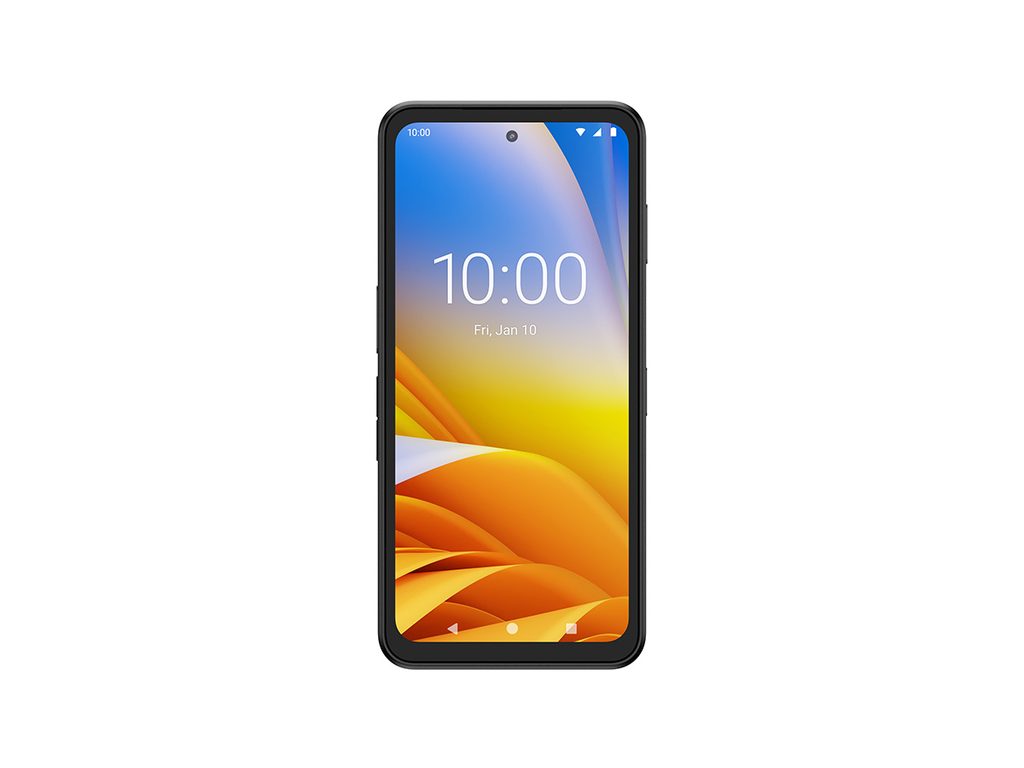
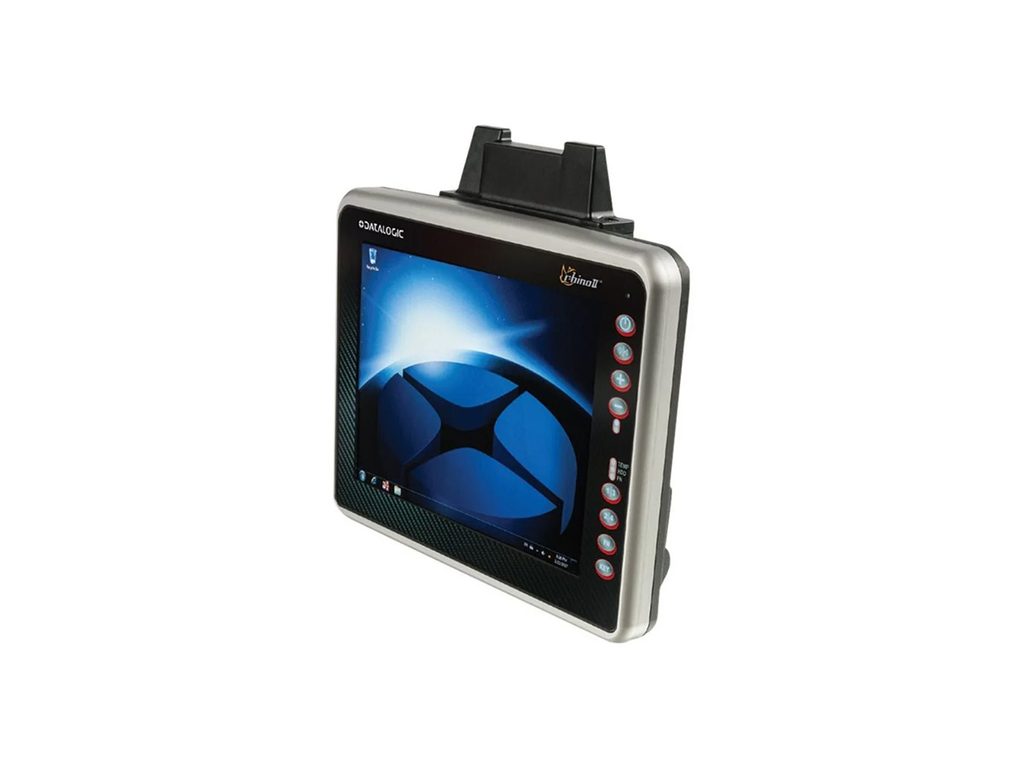
Mobile terminals are versatile and robust devices that have been specifically developed for mobile data capture. They combine various functions in a single device: in addition to a display and operating system, many models feature an integrated barcode scanner. Depending on the model, additional functions such as Wi-Fi, mobile networks or RFID may also be available.
The key advantage over a traditional scanner is that staff can not only scan a barcode, but also check and edit the information directly on the device.
Many mobile terminals are designed to be particularly robust for use in warehouses, logistics and production. Depending on the model, they are shock-resistant and protected against dust or water, making them suitable even for more demanding working environments. High-performance batteries enable mobile use over longer working hours, whilst modern operating systems facilitate integration into existing IT structures.
Ergonomics should also be taken into account, particularly for devices that are used for several hours every day. A device that meets all technical requirements but does not fit comfortably in the hand can quickly prove impractical in day-to-day use.
Labelling is often an integral part of automatic data capture. Label printers produce, for example, barcode, dispatch, product or warehouse labels, thereby complementing the actual data capture process.
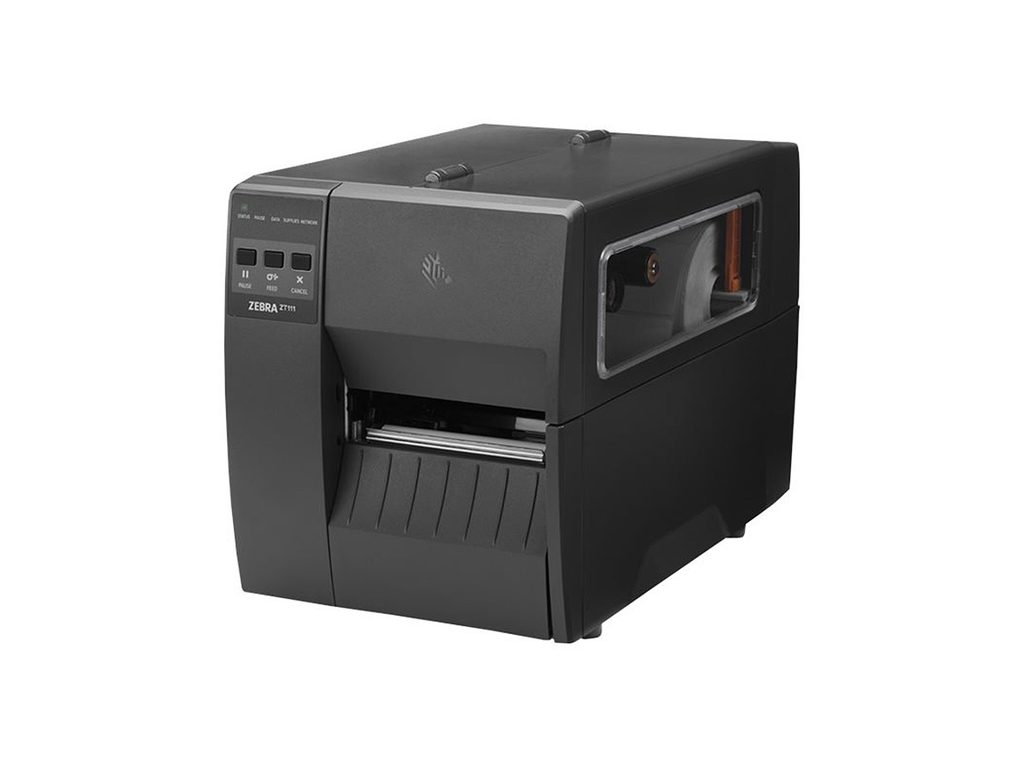
Various designs are available to meet different requirements. Desktop label printers are more suitable for small to medium print volumes and fixed workstations. Mobile label printers, on the other hand, allow printing directly at the point of use. Industrial models are suitable for high print volumes and demanding environments.
The printing method also plays a role in the selection process.
In direct thermal printing, the print image is produced directly onto a suitably coated material. This solution is suitable, for example, for applications where labels do not need to remain legible for a very long period.
In thermal transfer printing, the print image is transferred to the label using a ribbon. This enables particularly durable prints to be produced.
Which method is most suitable therefore depends primarily on how long the label needs to remain legible and the environmental conditions to which it is exposed.
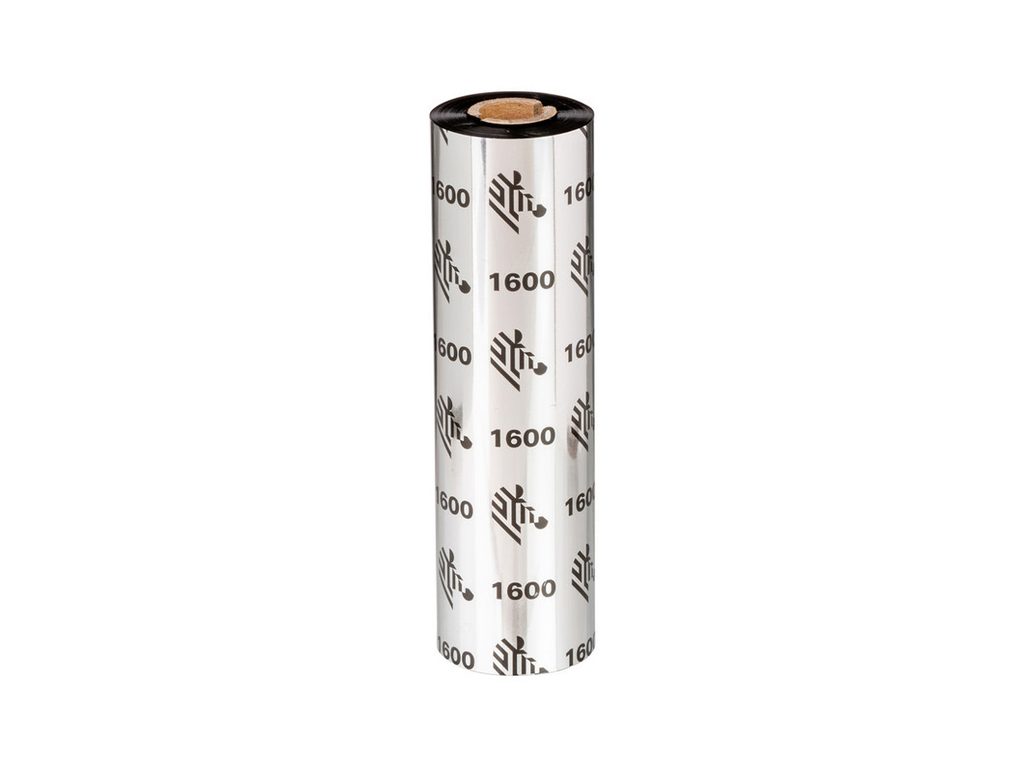
When it comes to an auto-ID solution, the choice does not end with the device itself. Accessories and consumables are crucial to ensuring that scanners, mobile computers and printers can be used on a long-term basis.
These include, for example:
Companies with a large number of devices, in particular, should check at the time of purchase which accessories are required and what the long-term supply of spare parts and consumables will look like.
Hardware alone does not make for a functioning auto-ID solution. The data captured must be integrated into existing business processes.
Depending on the area of application, software, licences and services can therefore play an important role. These include, for example, solutions for label printing, device management or additional manufacturer services. Maintenance and support services may also be of interest to businesses. Particularly in the case of business-critical devices, it can be sensible to minimise downtime through appropriate service agreements.
Barcodes and RFID share the same fundamental aim: to automatically capture information and assign it to an object. However, the two technologies work differently and are therefore not suitable for exactly the same applications.
Barcodes are read optically using a scanner. This makes the technology comparatively simple and cost-effective. Typical examples include warehouses, stock-taking, checkouts and goods receipt.
Barcodes are particularly suitable when:
RFID uses radio frequency technology and enables identification without the need to visually scan the tag, as is the case with a barcode. Depending on the system, several tags can also be detected simultaneously within a single detection range. This can be particularly useful, for example, in automated warehouse processes or when tracking goods and load carriers.
However, RFID is not automatically the better solution. Its implementation may require higher investment and more careful planning.
For businesses with specific requirements, a combination of different technologies may also be a sensible option.
When it comes to Auto-ID hardware, there isn’t just one manufacturer that offers the best solution for every application. The various brands have different areas of specialisation and offer devices to meet a range of requirements.
Zebra Technologies offers a comprehensive range of products for automatic data capture. This includes innovative solutions such as barcode scanners, label printers, mobile computers and RFID systems.
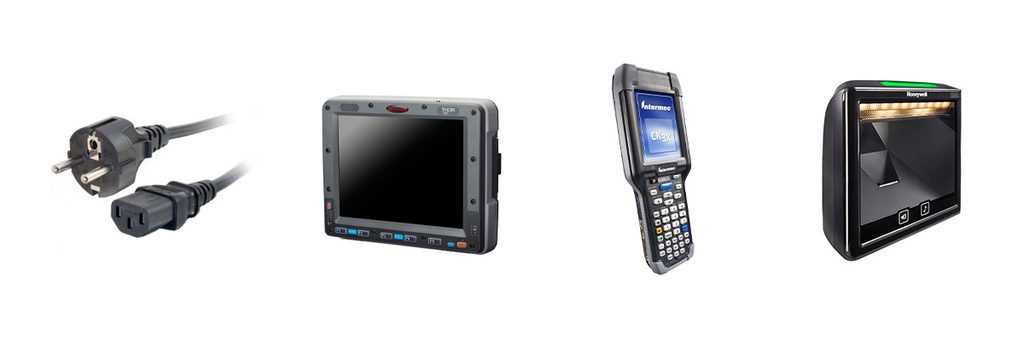
Honeywell also offers a range of solutions for barcode scanning and mobile data capture. The devices are available for use in retail, logistics and industry, amongst other sectors.
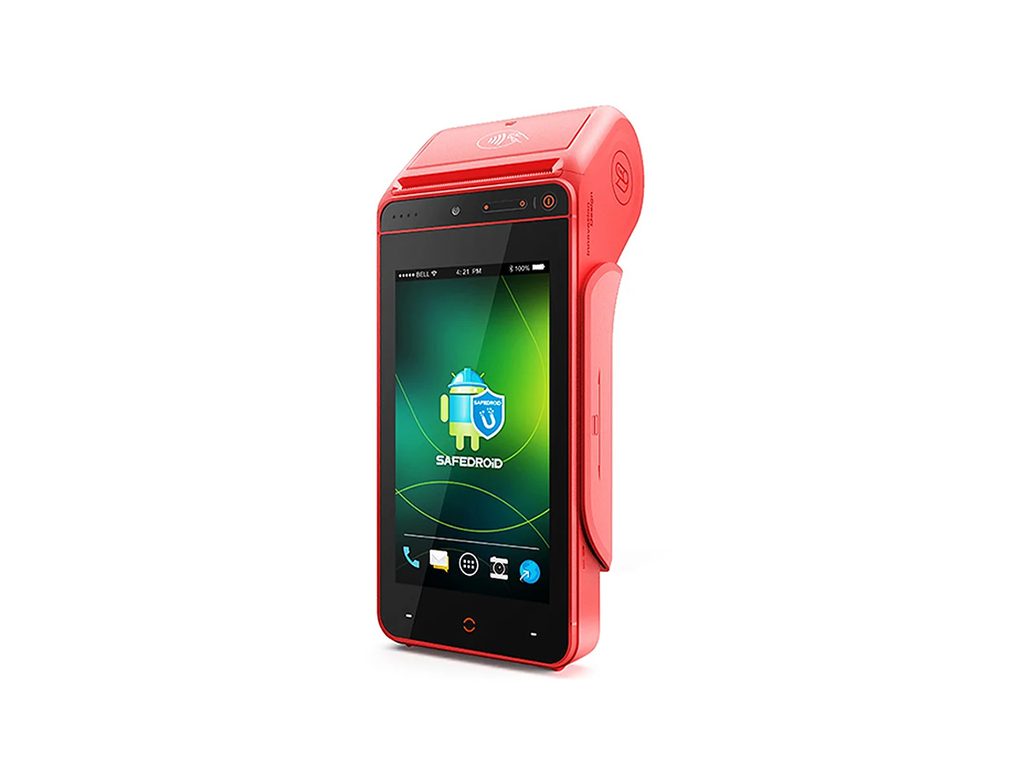
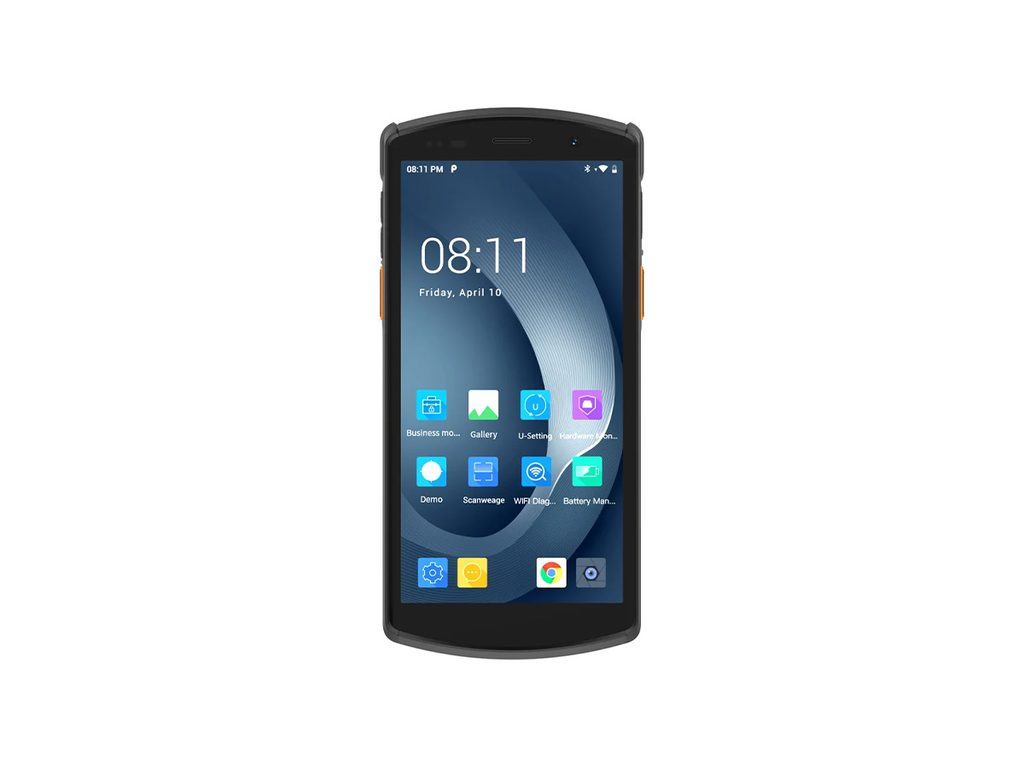
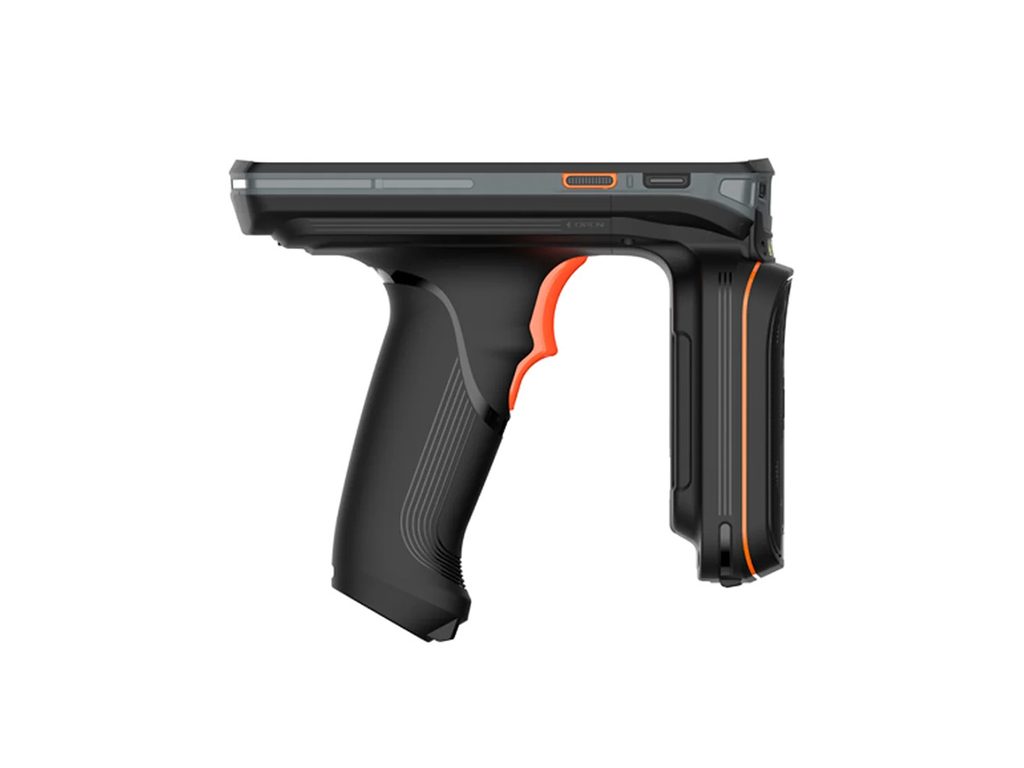
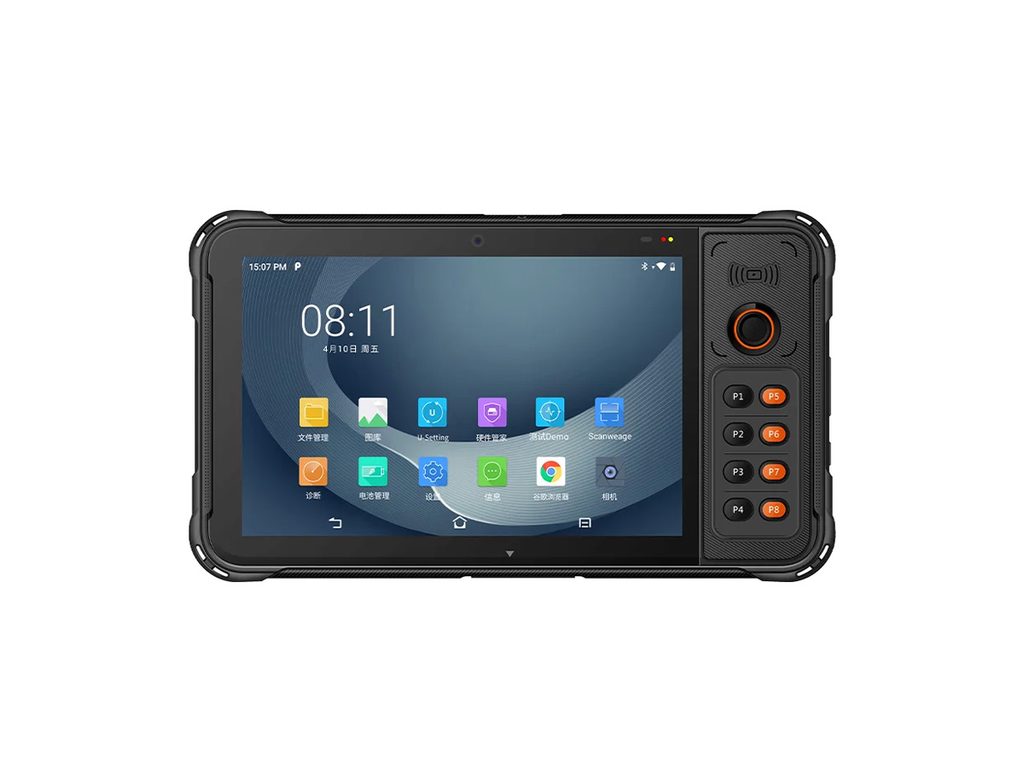
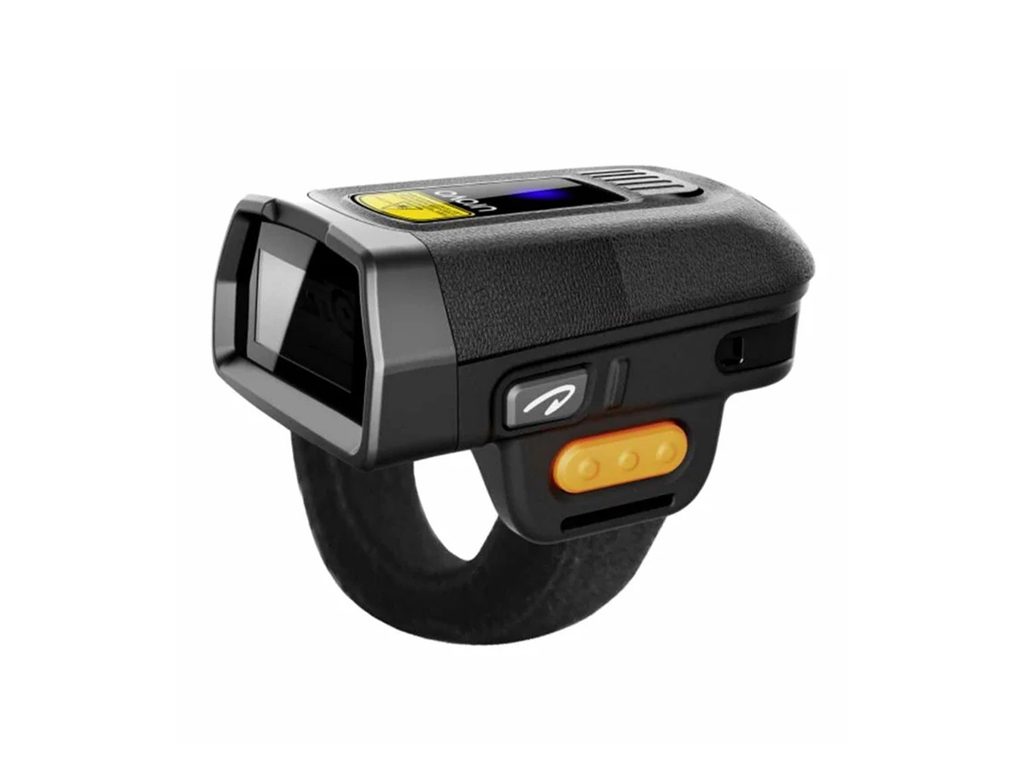
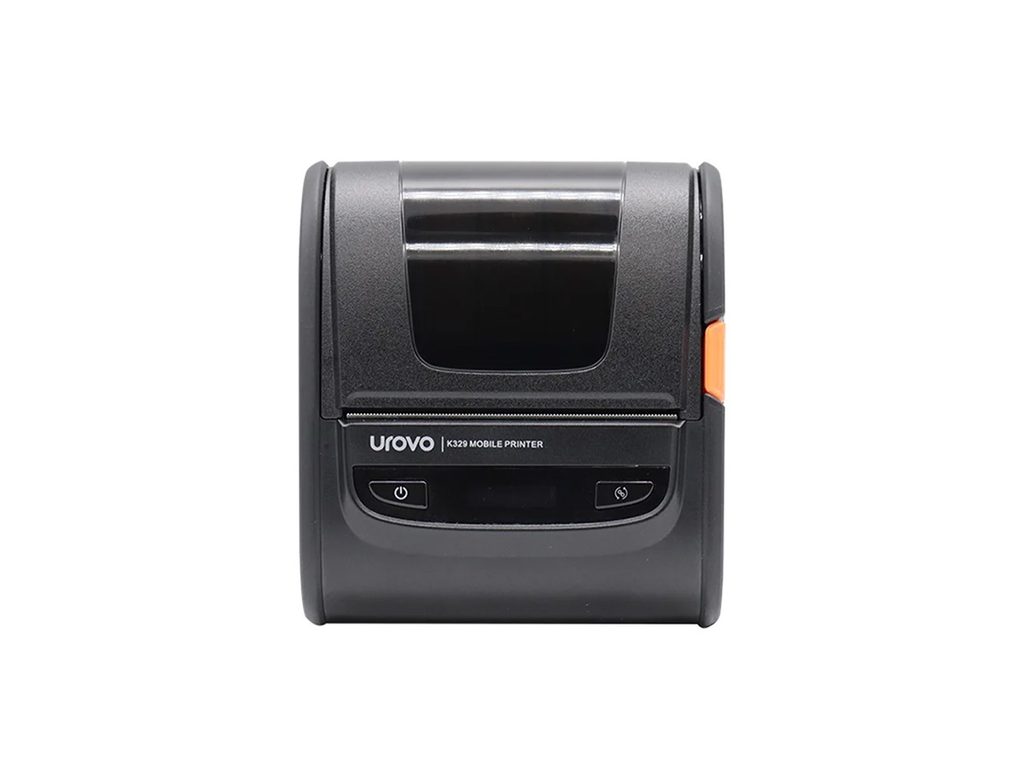
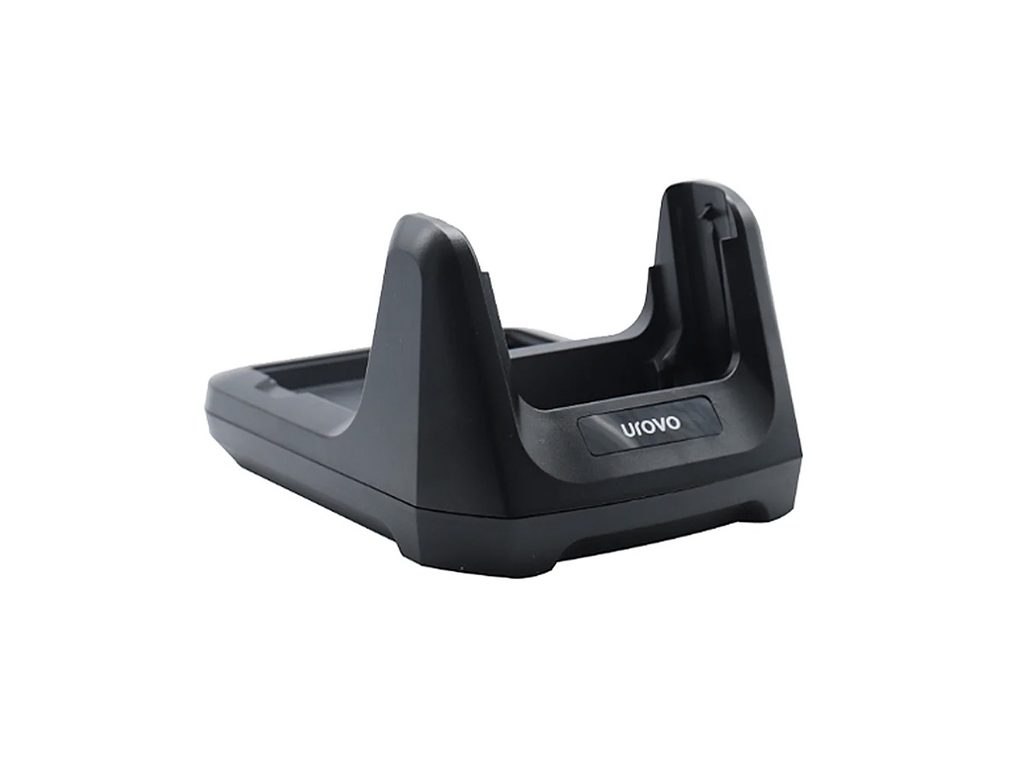
Among other things, Urovo specialises in mobile data collection devices and rugged mobile computers for professional use. The company offers a wide range of products, including mobile computers, barcode scanners, RFID devices, rugged tablets, payment terminals and mobile printers.
Datalogic offers solutions for barcode scanning and mobile data capture and operates across a range of industries and applications. Its product portfolio includes, amongst other things, handheld and desktop barcode scanners and PDA terminals, as well as solutions for industrial image processing and RFID.
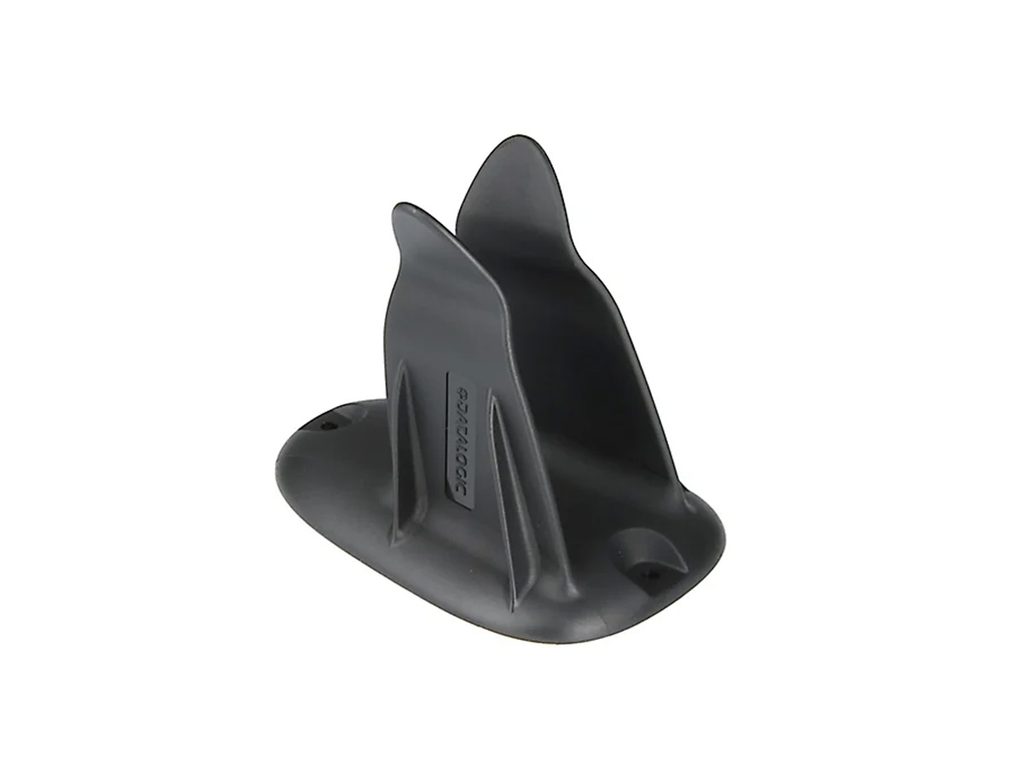
When choosing a manufacturer, the brand alone should not be the deciding factor. What is more important is whether the specific device meets the company’s requirements and can be integrated effectively into the existing infrastructure.
When purchasing Auto-ID hardware, it doesn’t always have to be a new device. Refurbished devices can be an attractive alternative, particularly for larger quantities or less demanding applications. These are refurbished devices that have been tested, reconditioned and prepared for reuse. By extending the useful life of existing hardware, businesses can conserve resources and prolong the lifespan of the devices.
In our shop, you’ll find a wide selection of Auto-ID solutions – both new and refurbished. You can easily enquire about the products you’re interested in using our enquiry form.