Reliable Wi-Fi without the hassle – is that possible?
In this blog post, we’ll show you how cloud-managed Wi-Fi helps businesses manage their Wi-Fi easily and centrally. You’ll find out why this solution is particularly useful for organisations with multiple sites, lots of devices or growing networks.
Cloud-managed Wi-Fi is a modern Wi-Fi solution that allows access points and Wi-Fi coverage to be managed, configured and monitored centrally via a web-based cloud platform. This enables a site to be equipped with comprehensive wireless network coverage.
This makes Wi-Fi management scalable and allows it to be carried out remotely. Installation is simpler, updates run automatically and management can be carried out in real time. This makes management significantly easier, particularly for businesses with multiple sites or numerous access points. A separate Wi-Fi controller is not required, as everything is controlled via the central cloud platform.
The platform also offers monitoring and analytics functions. It monitors network performance, displays all connected devices and enables fault analysis. Automatic firmware updates are also carried out automatically. Cloud-managed Wi-Fi networks can also be easily expanded as more access points or locations are added.
Well-known cloud-managed Wi-Fi platforms include Cisco Meraki, FortiLAN Cloud, HPE Aruba Instant On and Aruba Central, Juniper Mist Systems, R&S LANCOM Management Cloud and NETGEAR Insight.
Aruba Instant On and Aruba Central
Well-known cloud-managed Wi-Fi access points are available from brands such as Allied Telesis, Cisco, Fortinet, HPE Aruba, Juniper, R&S LANCOM, NETGEAR, SonicWall, TP-Link and Ubiquiti.
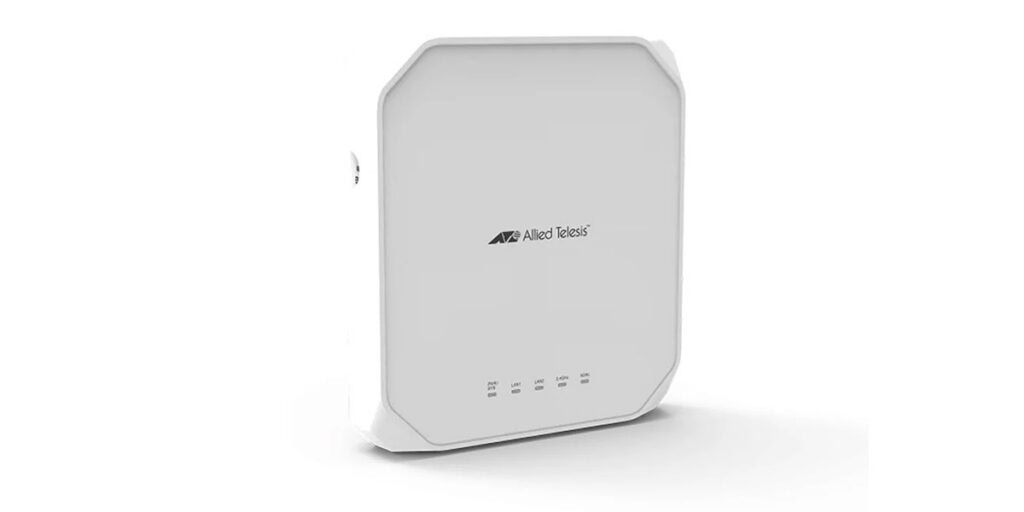
Allied Telesis access points provide stable and fast Wi-Fi connections, whether in small networks or across large campus areas. With these wireless solutions, you benefit from high-performance connectivity, robust security and a flexible network architecture that scales with your requirements.
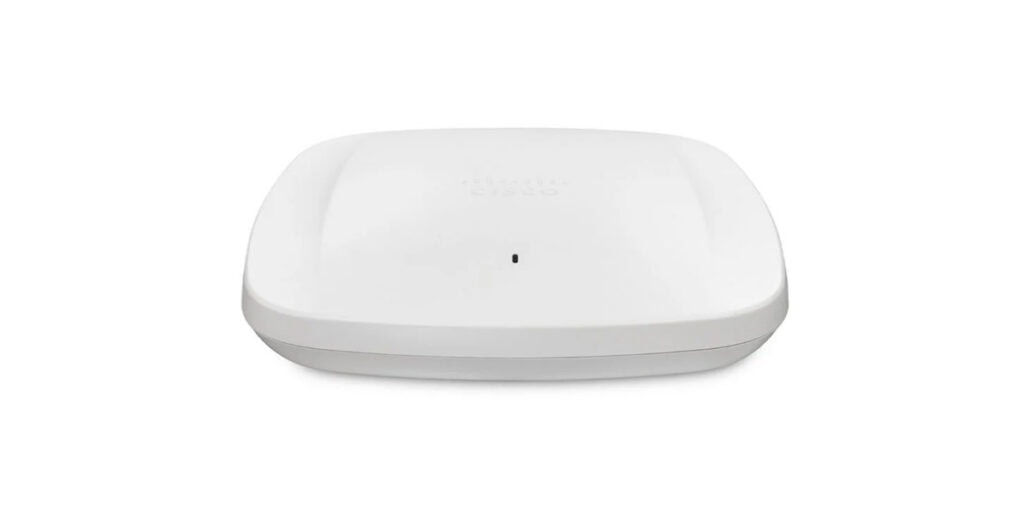
Cisco Meraki Access Points support Wi-Fi 6, Wi-Fi 6E and Wi-Fi 7, offering maximum speed and minimal latency. They are well suited to offices, campus environments or IoT infrastructures and can be managed centrally via the Meraki Dashboard, regardless of location.
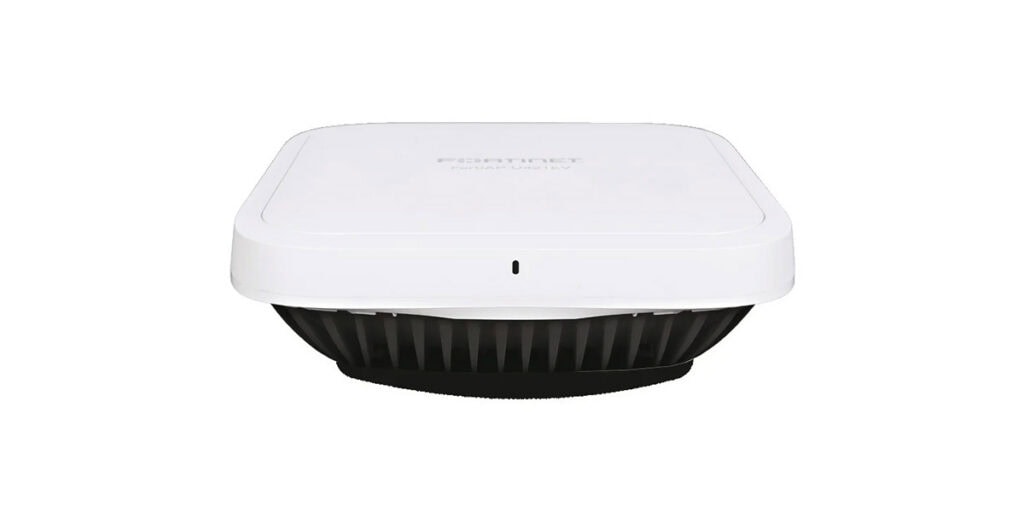
Fortinet FortiAP Access Points
Fortinet’s FortiAP access points provide secure and high-performance Wi-Fi connections. They protect against cyber threats and enable easy network management and expansion.
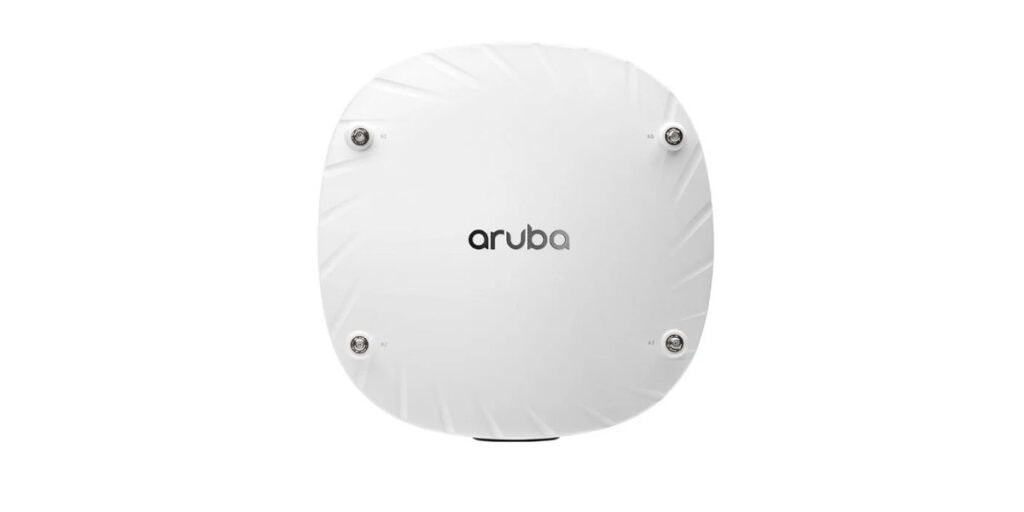
HPE Aruba Wireless Access Points
HPE Aruba Access Points deliver high-performance, scalable Wi-Fi solutions for businesses of all sizes. They support Wi-Fi 6, Wi-Fi 6E, multi-band operation and integrated IoT connectivity. They can be centrally managed via the Aruba Central platform.
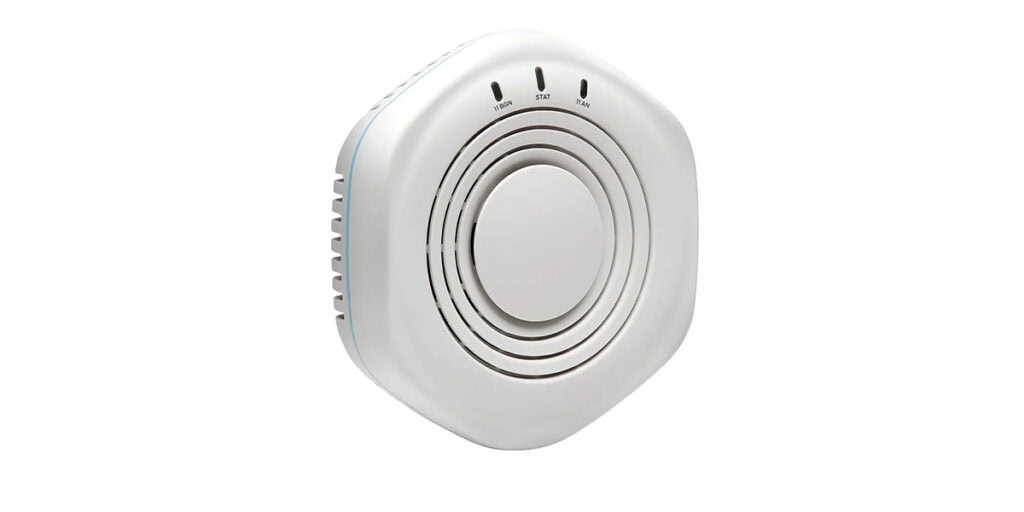
Juniper Access Points use AI to efficiently control and manage Wi-Fi networks, whether small or large. With the Juniper Mist Cloud, IT teams gain a centralised platform for all network management.
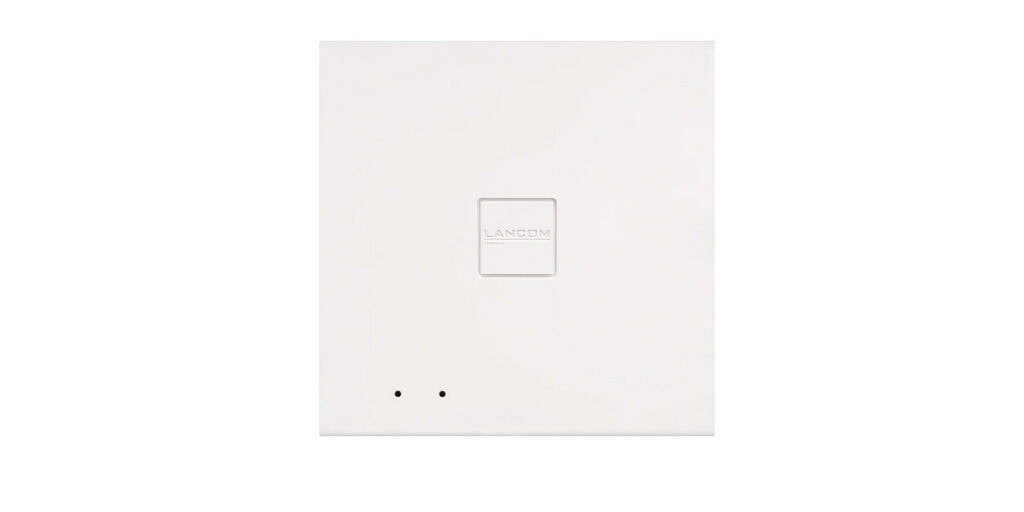
R&S LANCOM Access Points provide robust, flexible Wi-Fi access for any environment, whether indoors, outdoors or in demanding industrial settings. They stand out thanks to their high-quality hardware and advanced software. They are managed via the R&S LANCOM Management Cloud.
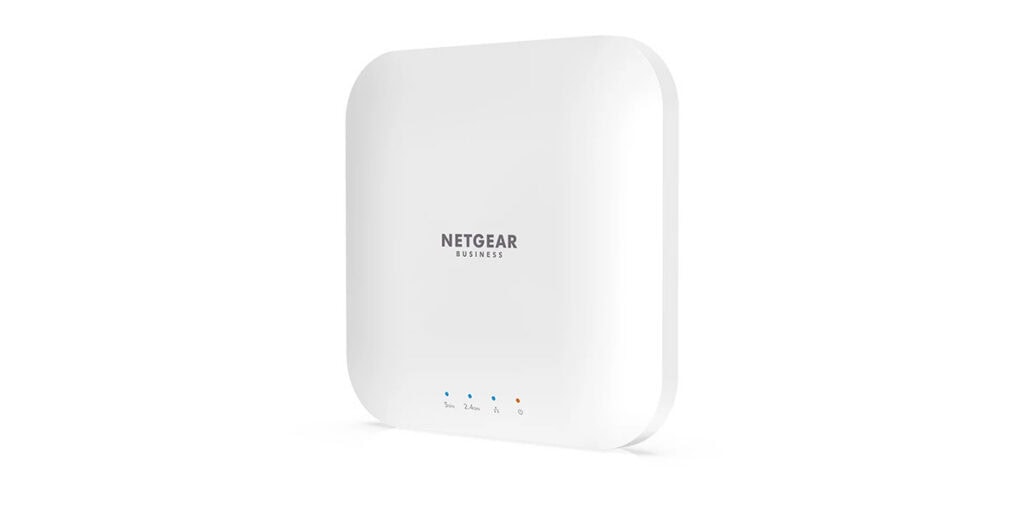
NETGEAR Access Points deliver stable connections, long-range coverage and easy management. They support Wi-Fi 6 and VLAN and can be managed centrally via the cloud, making them ideal for businesses of all sizes.
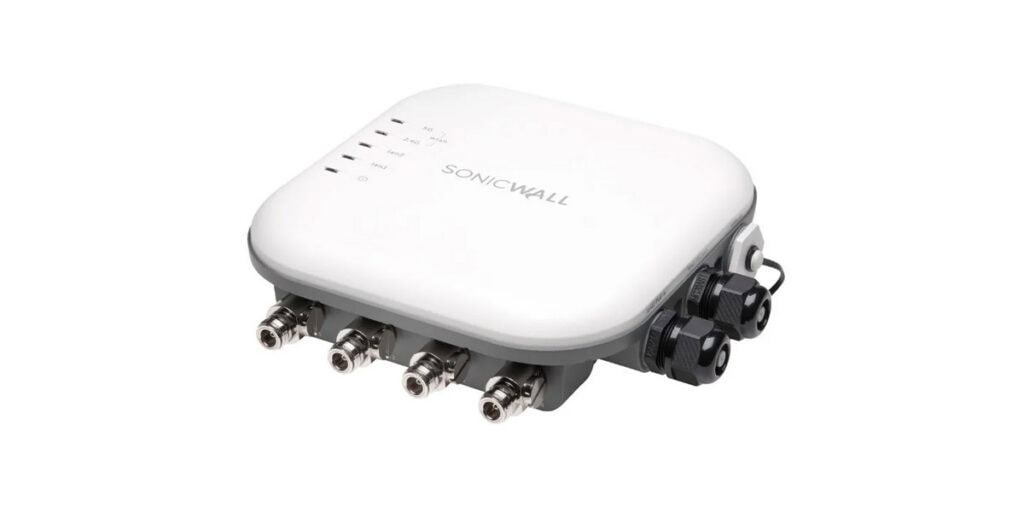
SonicWall SonicWave Access Points
SonicWall’s SonicWave Access Points utilise 802.11ac Wave 2 technology to deliver high performance, range and reliability. Advanced security and wireless features make them easy to manage and secure in any environment.
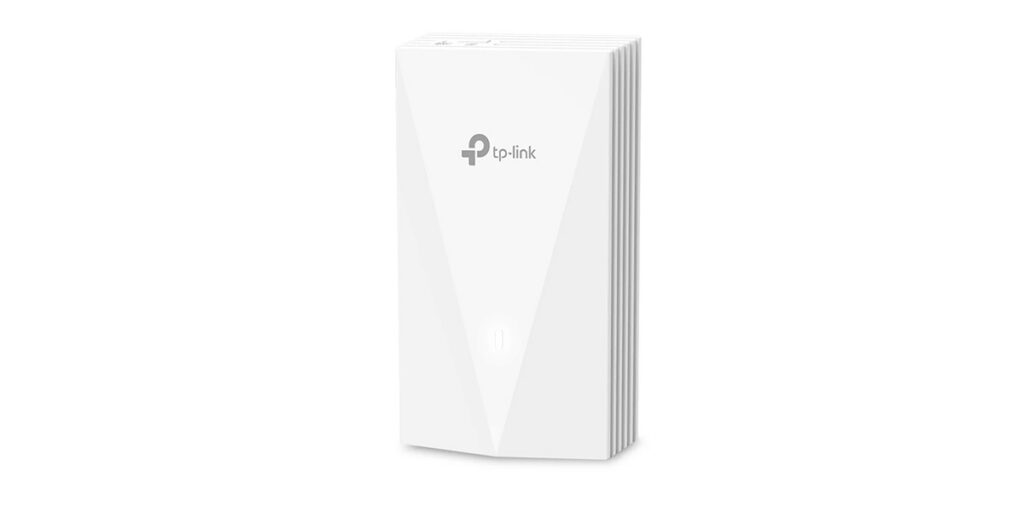
TP-Link Access Points extend Wi-Fi coverage and enable multiple devices to connect wirelessly. They are suitable for both home networks and businesses, ensuring stable, fast connections.
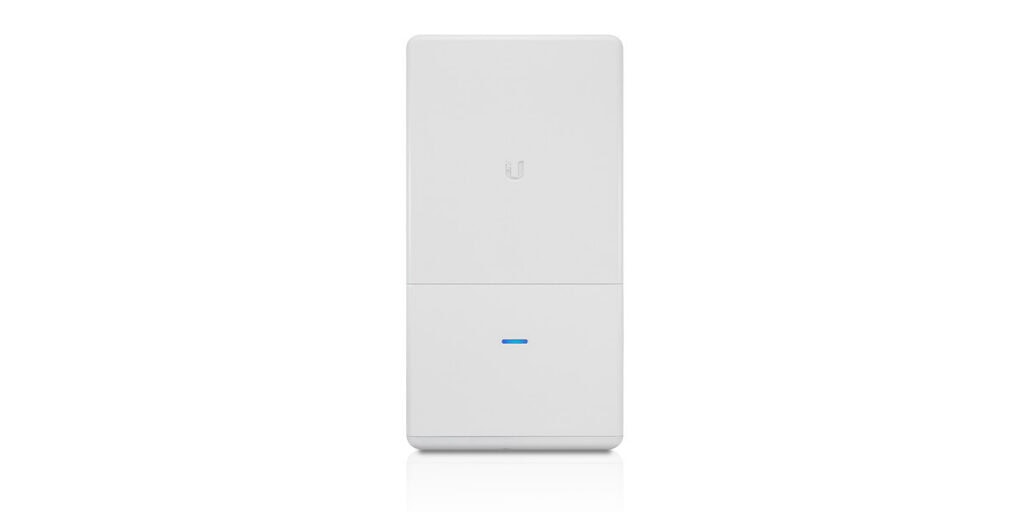
Ubiquiti Access Points provide high-performance, centrally managed connectivity for businesses and demanding home users. They support Wi-Fi 6, 6E and 7, offer high speeds and are easy to scale.
| Feature | Cloud-managed Wi-Fi | Traditional Wi-Fi management |
|---|---|---|
| Management | Centrally managed via the cloud, web-based dashboard, accessible from anywhere | Managed locally via a Wi-Fi controller or on-premises management software |
| Installation & Deployment | Simple plug-and-play; zero-touch deployment possible | Setup is usually more complex; devices must be configured manually |
| Monitoring & Analysis | Real-time monitoring, automatic alerts, statistics via dashboard | Monitoring usually local, potentially less flexible, often manual analysis |
| Updates & Maintenance | Automatic firmware updates via the cloud; remote maintenance possible | Updates manually or via a controller; on-site maintenance often required |
| Scalability | Very high: new locations or devices can be easily added | Scalability limited by controller capacity and local infrastructure |
| Security | Integrated security policies, cloud-based reporting | Dependent on firewall/controller; policies must be implemented manually |
| Pricing model | Subscription/licence model for cloud access; less hardware required | One-off hardware costs; possible additional costs for controllers or software |
| Flexibility & Remote Access | High flexibility: Access possible from anywhere | Access often only possible via the corporate network or via VPN |
| Use cases | Ideal for multiple sites, mobile teams and rapid expansion | Suitable for single sites or complex, highly customised Wi-Fi networks |
The Cloud-managed Wi-Fi makes network management significantly easier, more secure and more flexible. With centralised management, automatic updates and easy scalability, you can focus on what matters most: your business.
If you are looking for the right access points for your business or would like a personalised consultation, we are happy to assist you. In our shop, you will find a wide selection of access points from various brands. You can easily enquire about these using our enquiry form. Our team will advise you personally and help you find the optimal solution for your Wi-Fi.