Not all switches are the same: even for small and micro-enterprises, there is a wide range of different models, which vary in terms of features, performance and functionality. However, the switch with the most features is not always the best choice. What matters most is the specific requirements of your network and which devices need to be reliably connected to one another.
In this blog post, you’ll find out what small businesses should look out for when choosing a suitable switch and which switch types and ranges are best suited to smaller network environments. We’ll present a selection of suitable solutions and highlight the key differences to consider when making your decision. Should you have specific requirements, we’d be happy to advise you personally.
The right switch forms a vital foundation for a reliable business network. It connects various devices such as computers, servers, printers and access points, and ensures that data is transmitted to the correct destination within the network. A standard Layer 2 switch uses MAC addresses, amongst other things, to forward data to the intended port.
In addition to traditional Layer 2 switches, there are Layer 3 switches that can perform additional routing functions. There are also significant differences in the range of features on offer. Depending on the manufacturer and product range, for example, unmanaged, smart, managed or cloud-managed switches are available. There are also models with Power over Ethernet (PoE), which can supply power directly via the network cable to connected devices such as access points, IP telephones or surveillance cameras.
Greater performance and more features do not automatically mean that a switch is better suited to your business. In small and micro-enterprises in particular, many of the features offered by high-performance enterprise switches are often not required in day-to-day operations. What matters most is that the switch meets the network’s actual requirements.
For example, a small office with just a few workstations, printers and a Wi-Fi access point places different demands on the network infrastructure than a business with multiple sites, numerous VLANs and high data volumes.
Key selection criteria:
For small business networks, therefore, the most expensive or highest-performance switch is not automatically the best choice; rather, it is the one whose features match your specific requirements as closely as possible.
Before selecting the right switch, it is worth taking a quick look at the size of the company.
However, company size alone does not determine which switch is required. For example, a company with ten employees may have significantly higher demands on its network – due to multiple access points, IP telephones, cameras, servers or high data volumes – than a larger company with a simple IT infrastructure.
For small businesses, unmanaged and smart managed switches are often a suitable choice, as they combine the most important network functions with straightforward management and manageable costs.
You can find further information on the requirements of medium-sized businesses in our blog post ‘Switch IT Right: Switches for medium-sized business networks’.
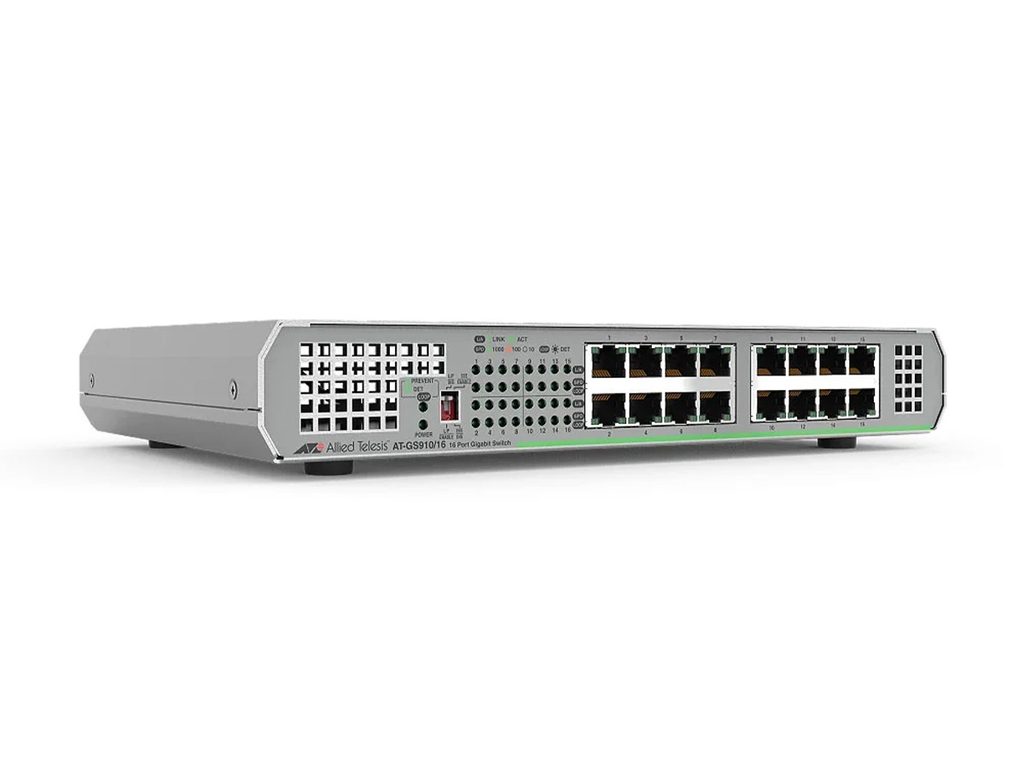
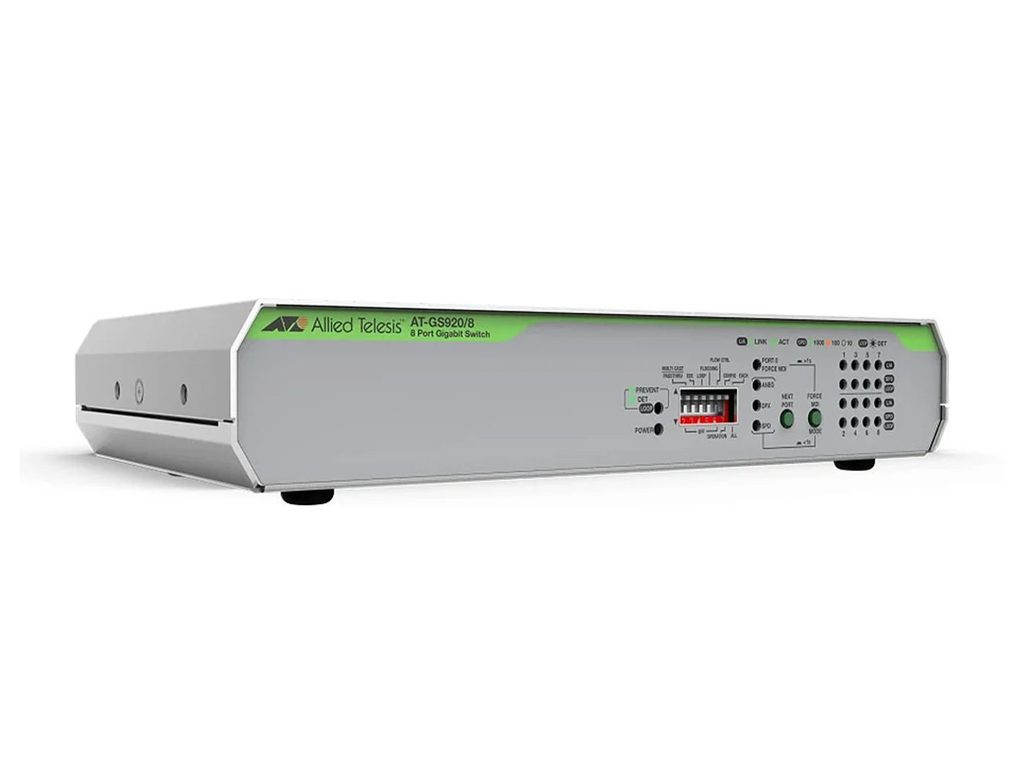
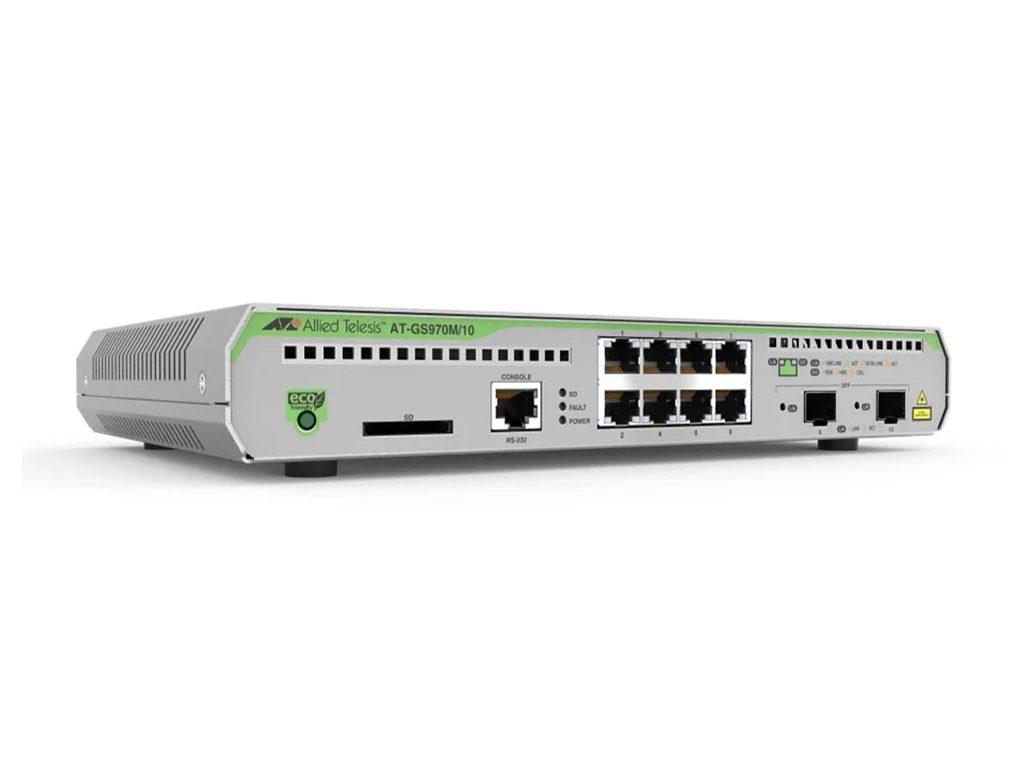
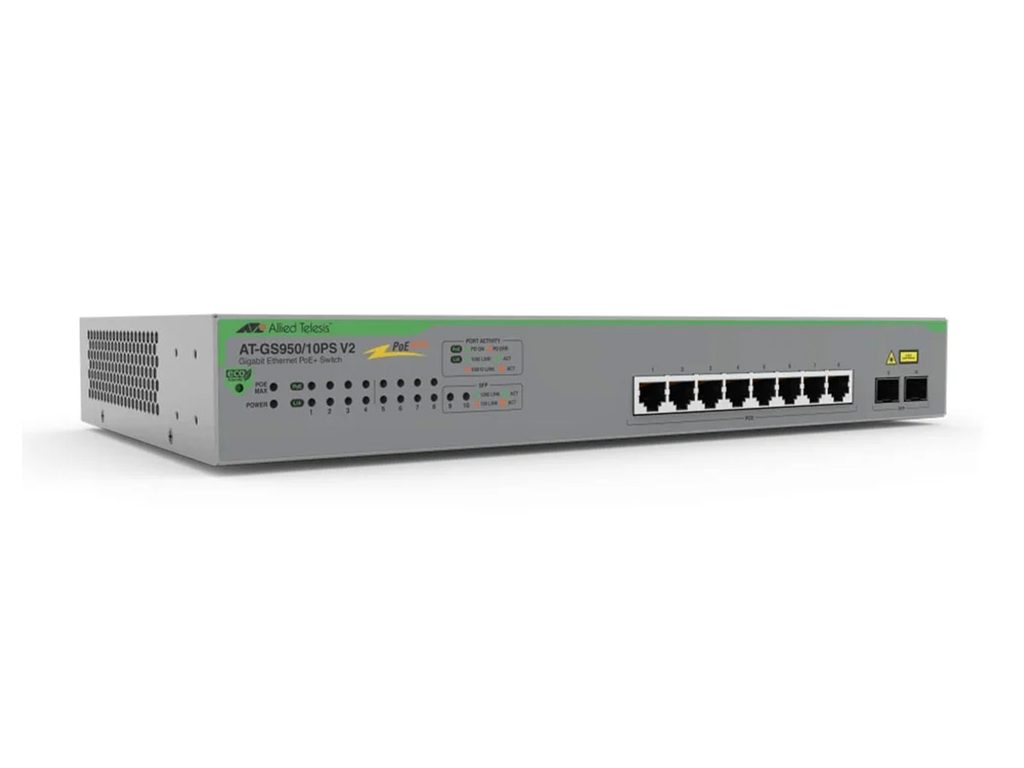
Allied Telesis offers a range of solutions for small business networks, including straightforward unmanaged switches as well as smart managed and managed solutions. This allows you to choose the right equipment to suit your actual needs – from simply connecting a few end devices to networks requiring VLANs, PoE or additional management functions.
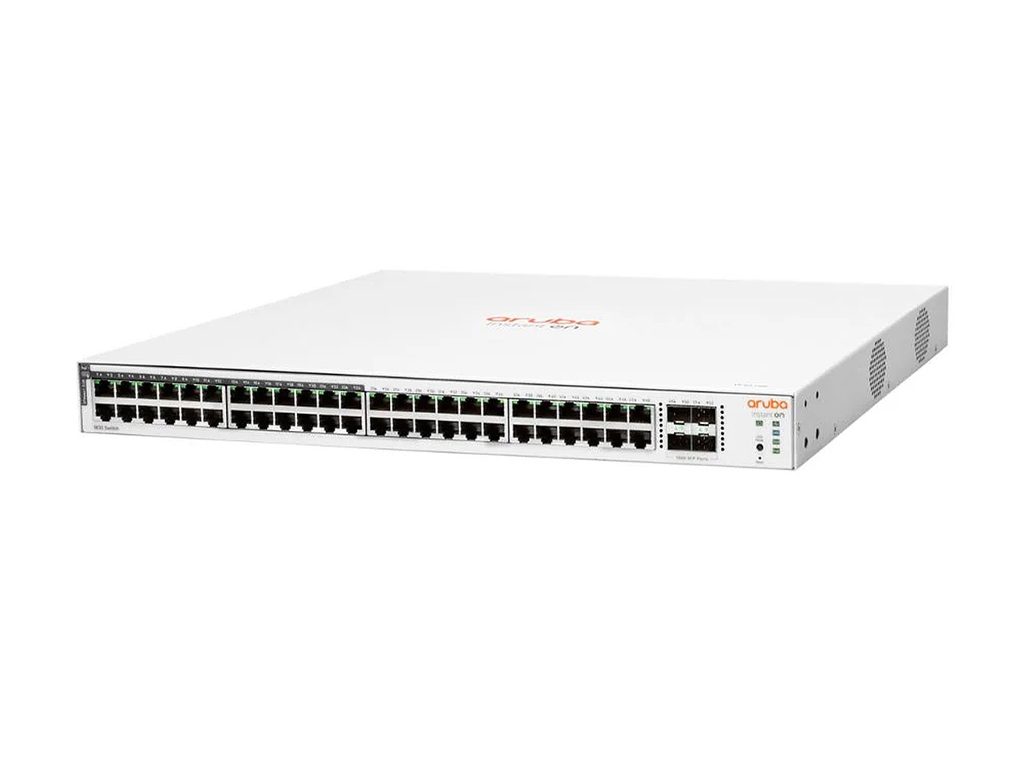
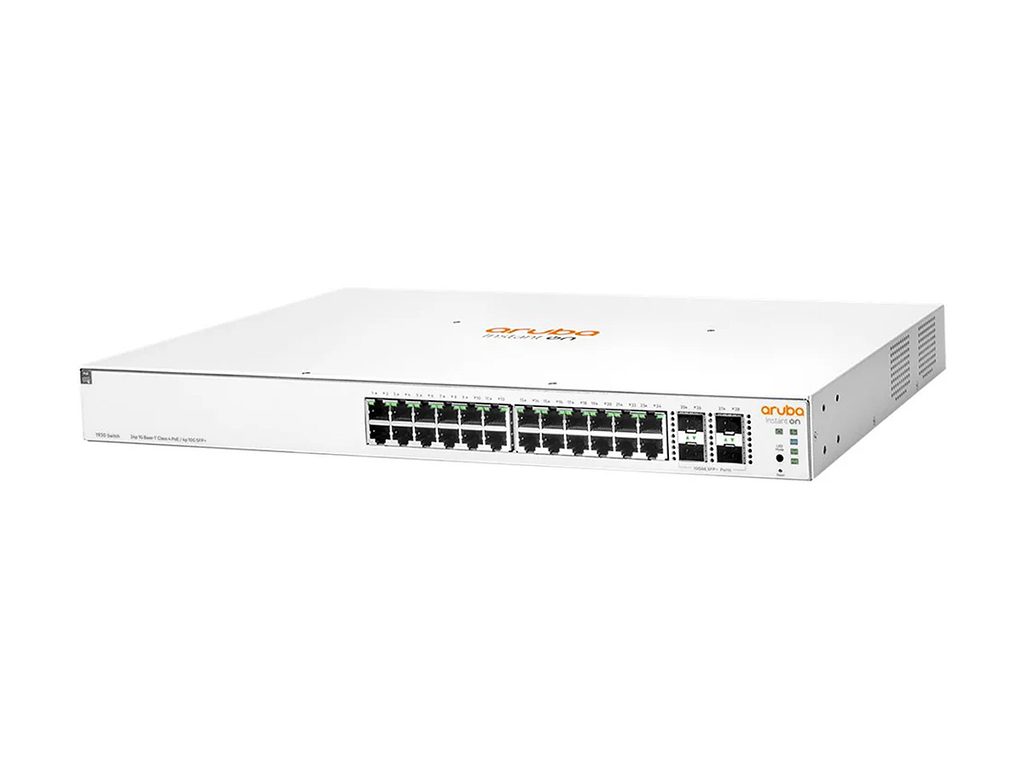
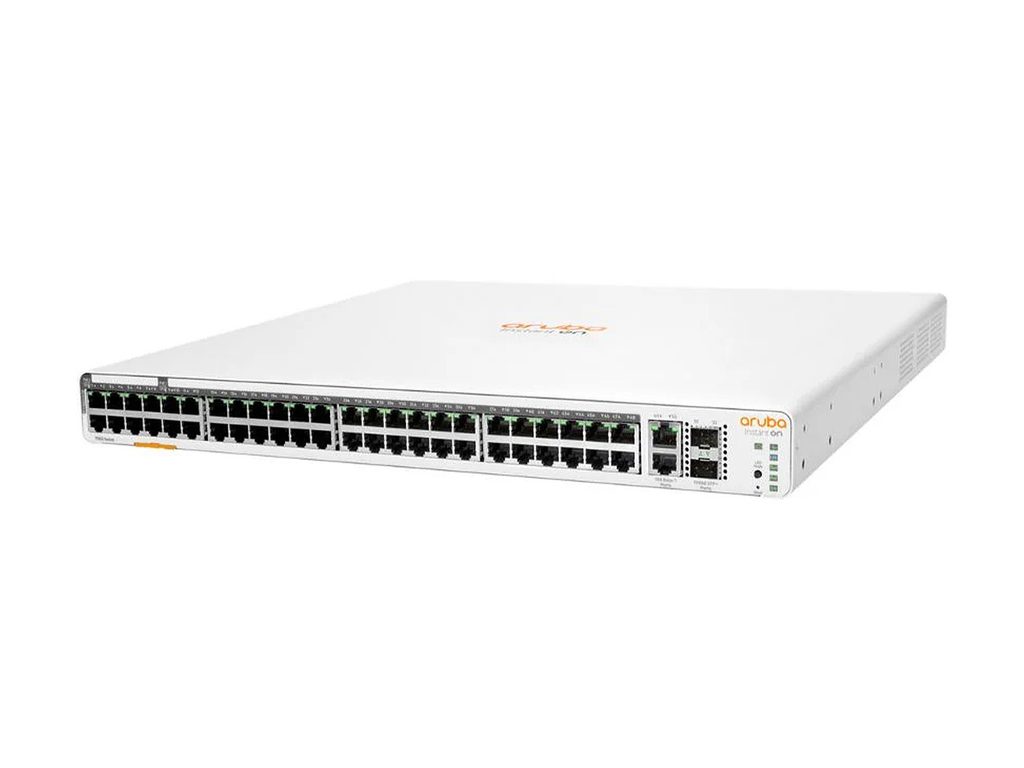
HPE Aruba Networking’s range of switches caters to the diverse requirements of small business networks. From easy-to-manage Smart Managed Switches to professional Managed Access Switches, solutions are available for traditional office networks as well as for growing infrastructures requiring PoE, VLANs and more advanced management capabilities.
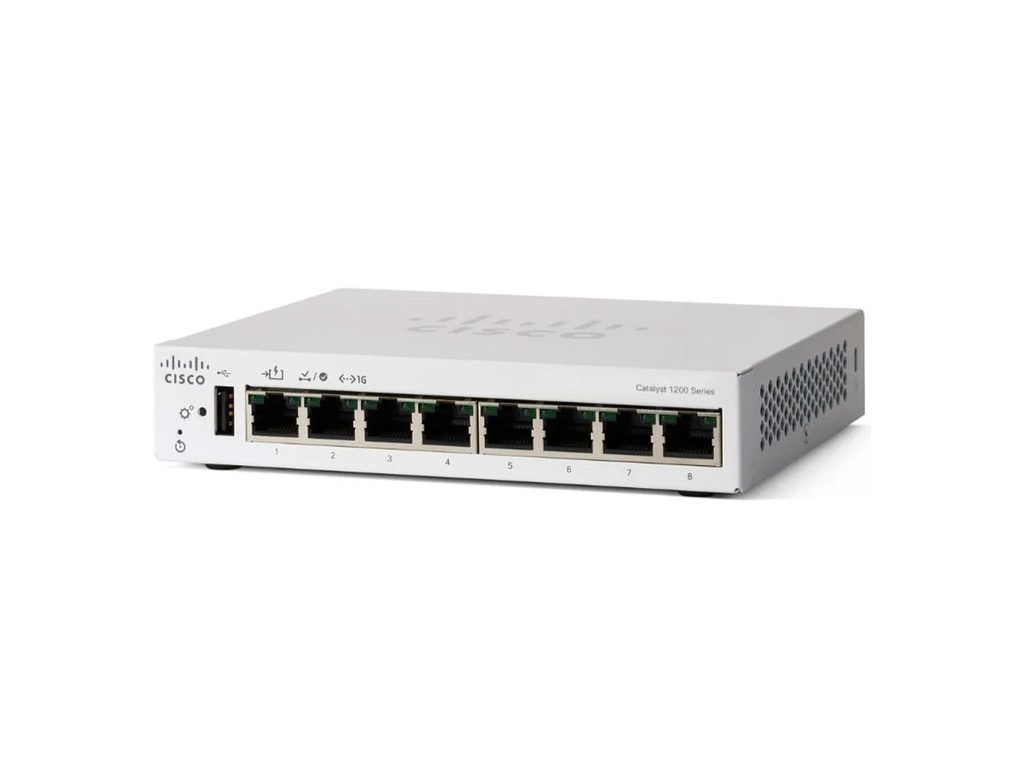
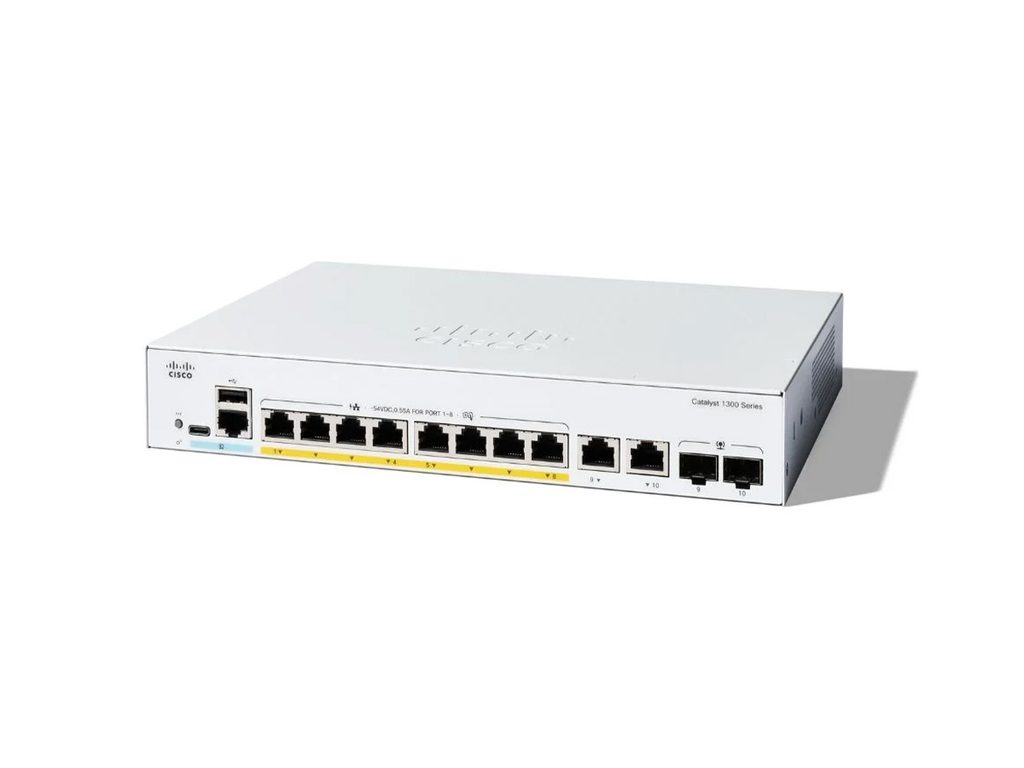
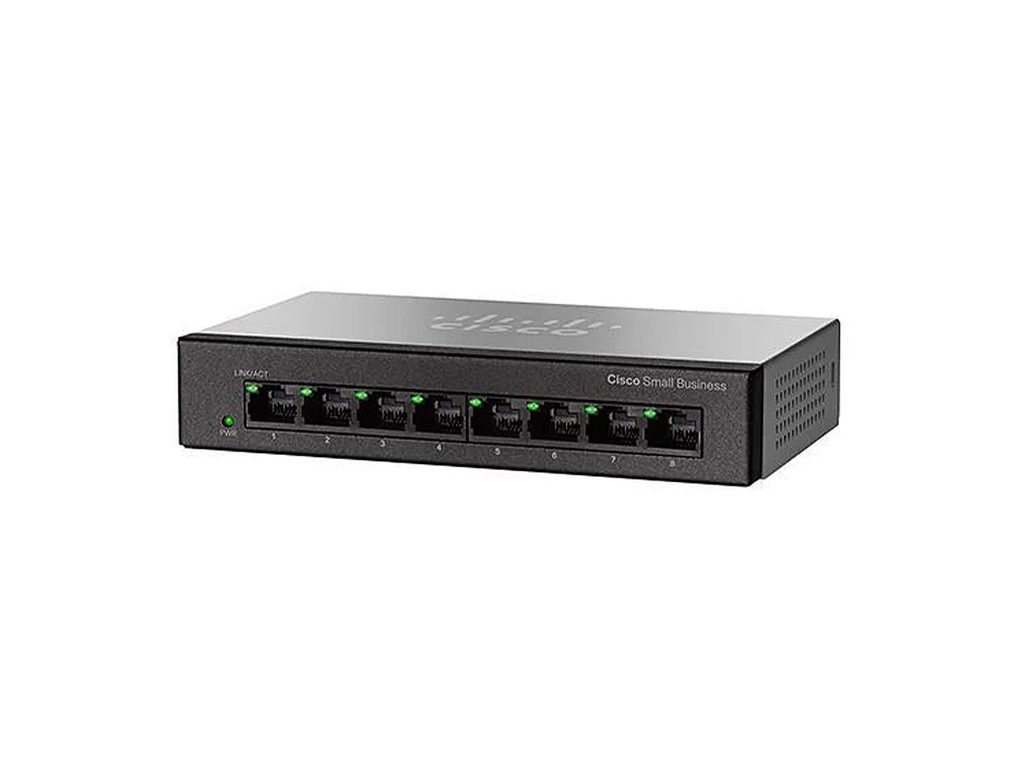
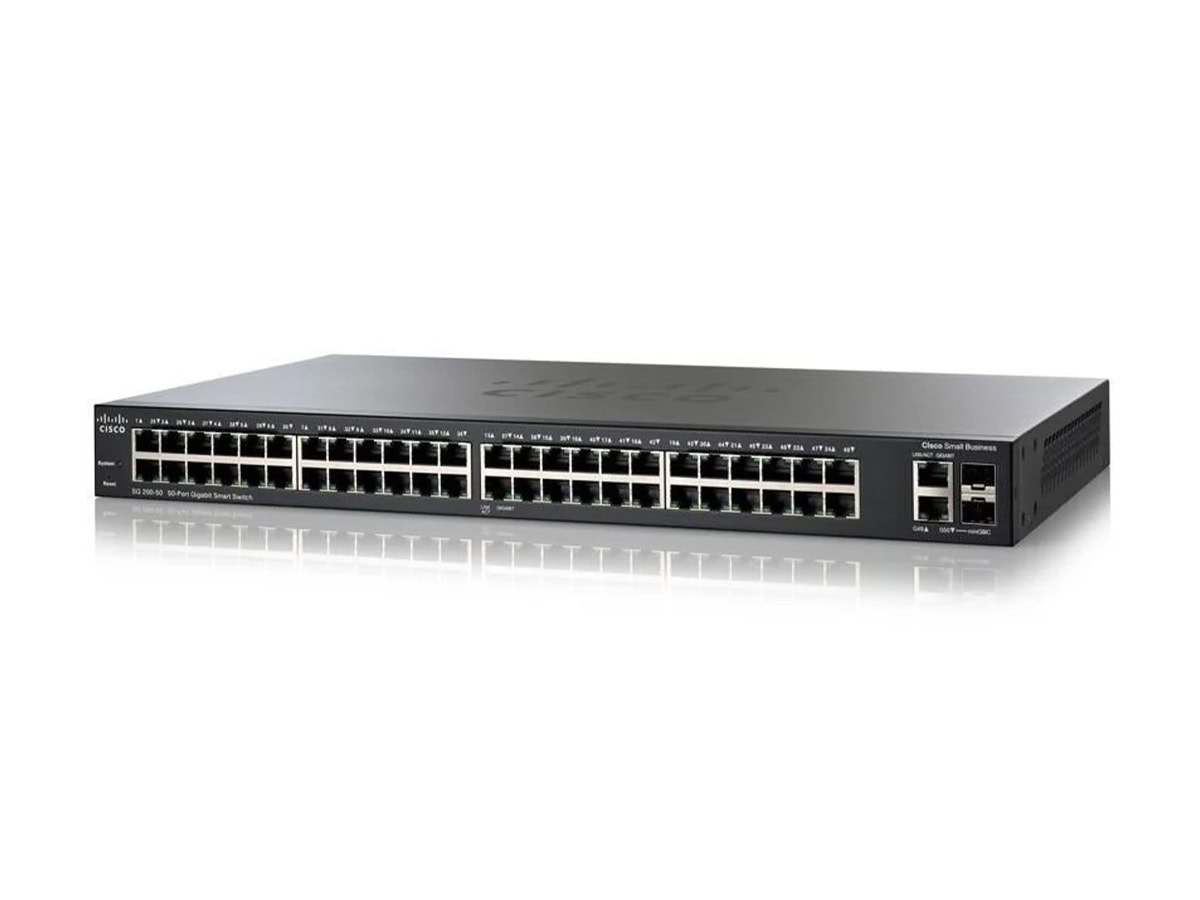
Cisco offers a tiered range of switches for small businesses, ranging from simple plug-and-play solutions to fully manageable switches. This enables the company to cater for both basic office networks and growing infrastructures with more demanding requirements in terms of management, security and PoE.
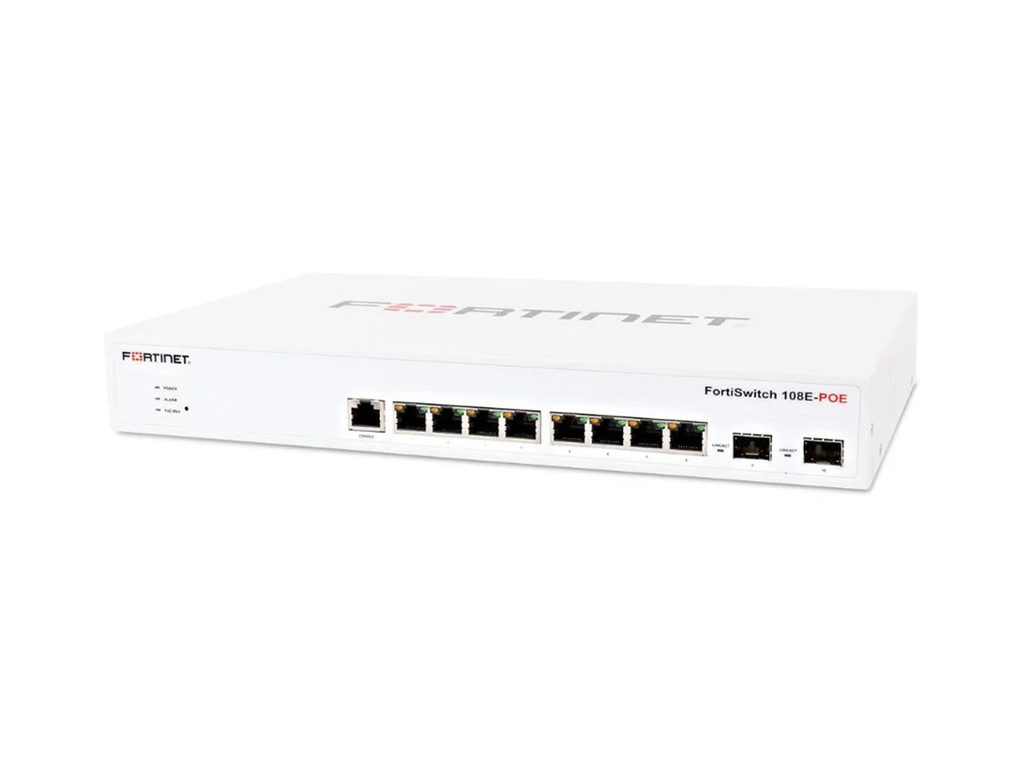
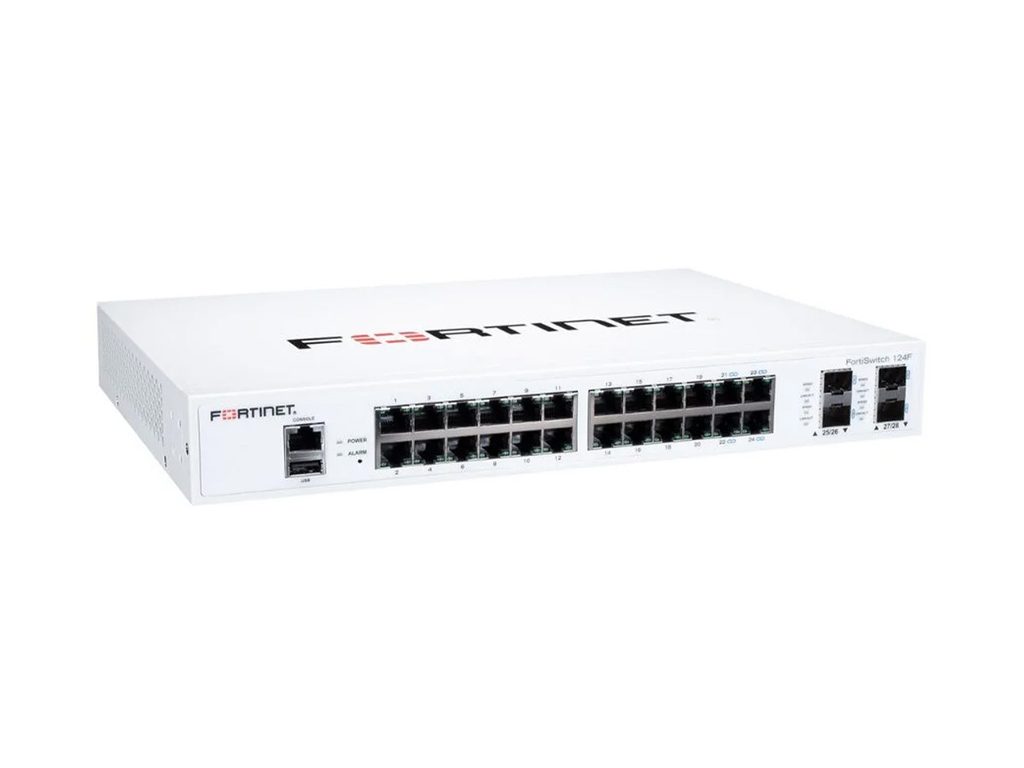
Fortinet switches are particularly well suited to small businesses that, in addition to traditional network connectivity, value a centrally managed infrastructure. A range of port and PoE configurations allows them to be adapted to smaller and growing networks.
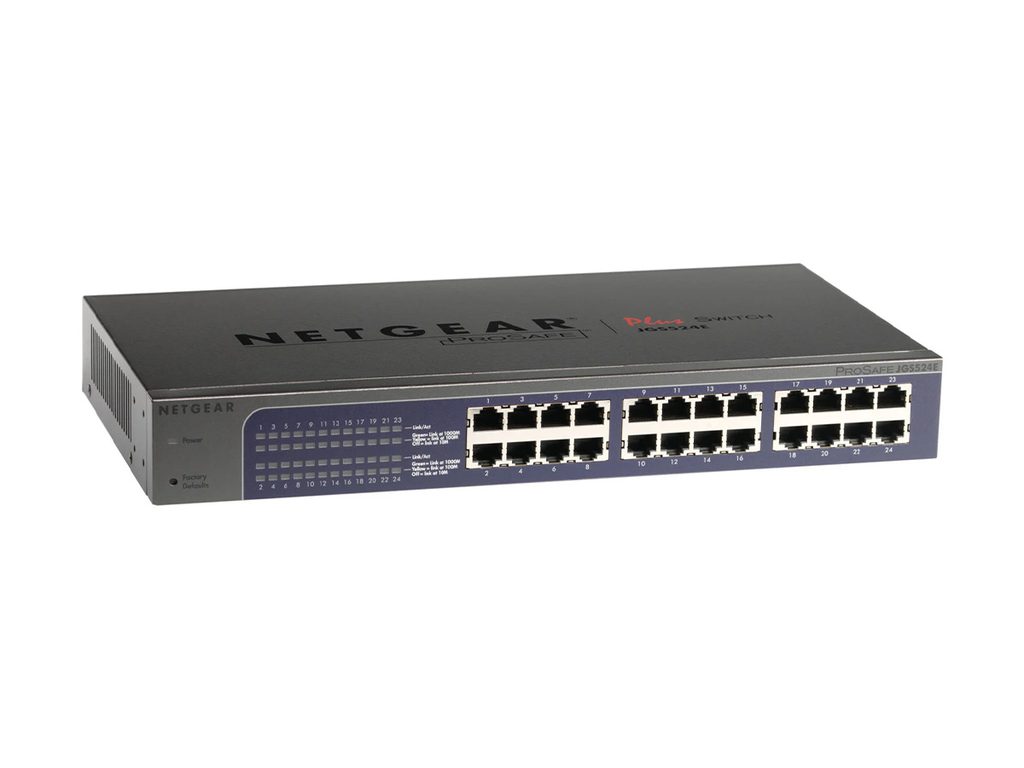
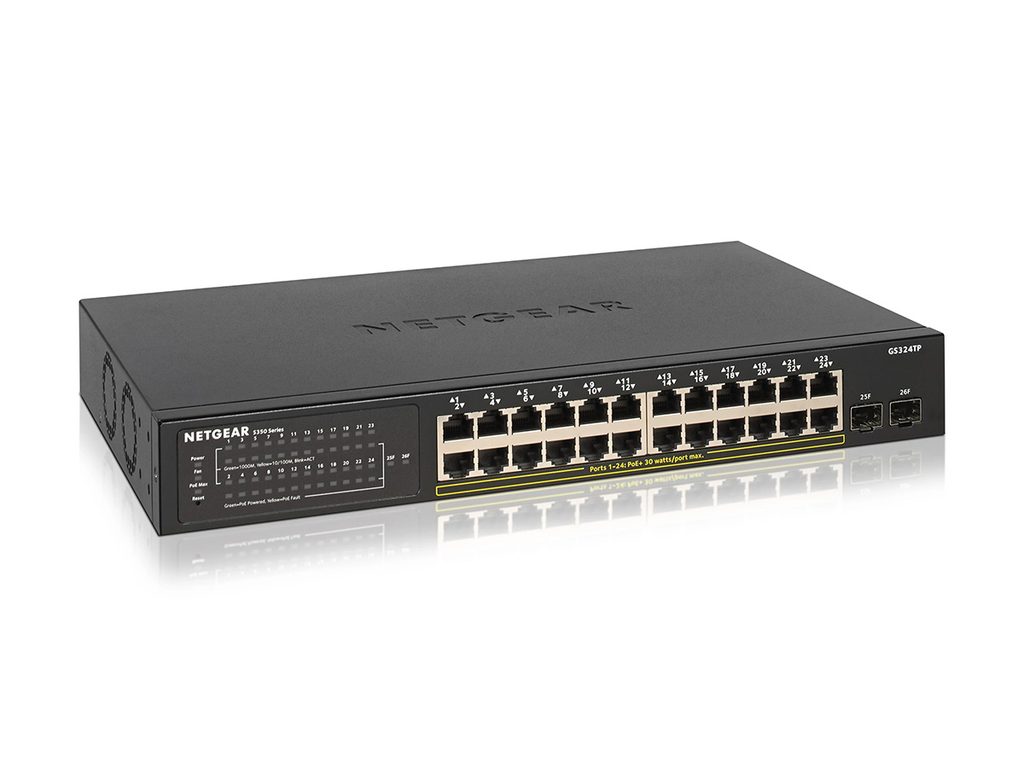
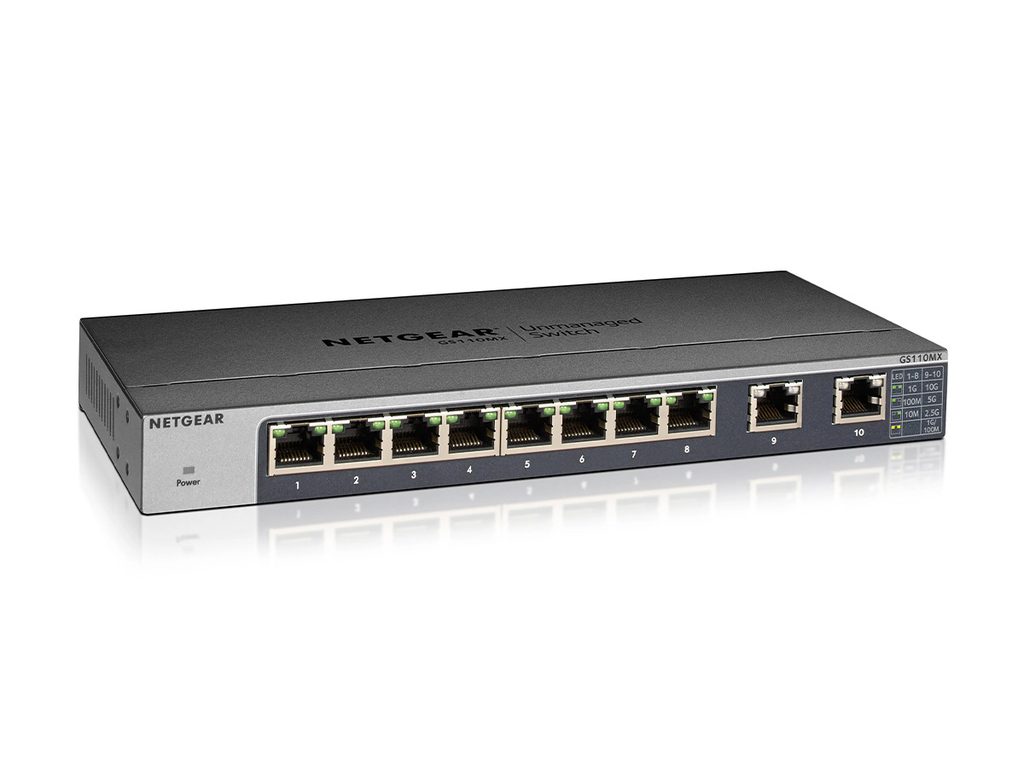
NETGEAR offers a particularly wide range of products for small business networks. The range extends from straightforward unmanaged switches through to easy-to-manage smart switches, right up to models with PoE and multi-gigabit capabilities. This allows the equipment to be tailored effectively to the size, number of devices and performance requirements of the network.
R&S LANCOM offers both simple unmanaged switches and fully manageable solutions for smaller business networks. These can be used to set up simple office installations as well as networks requiring VLANs, PoE, security features or centralised management.
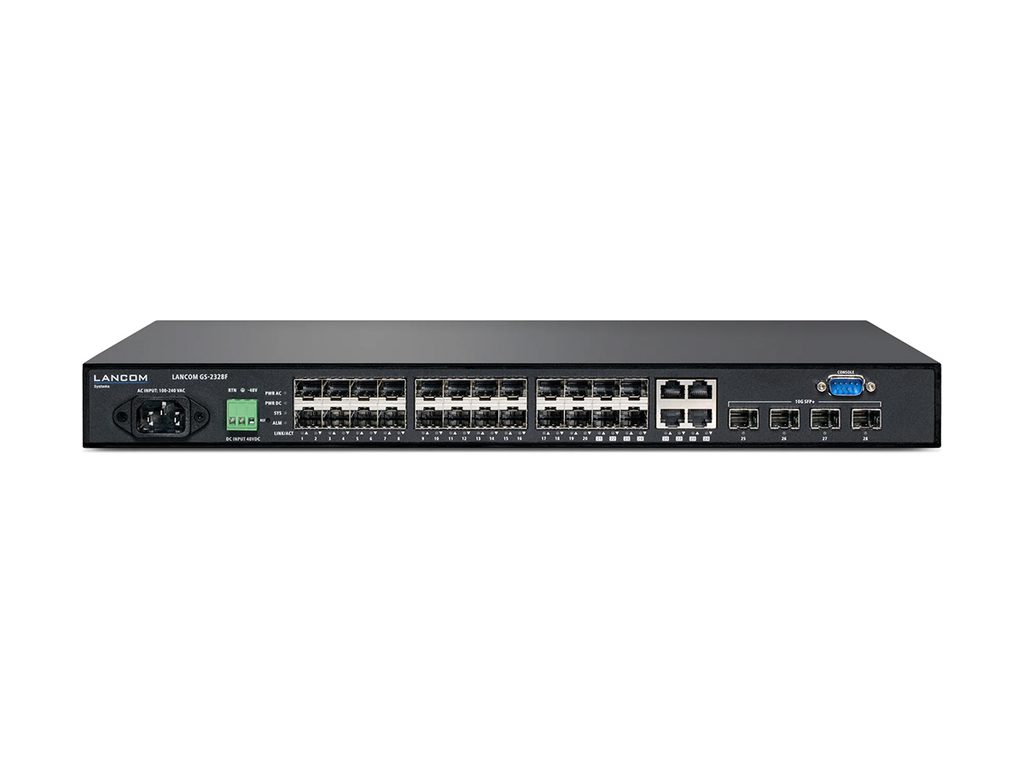
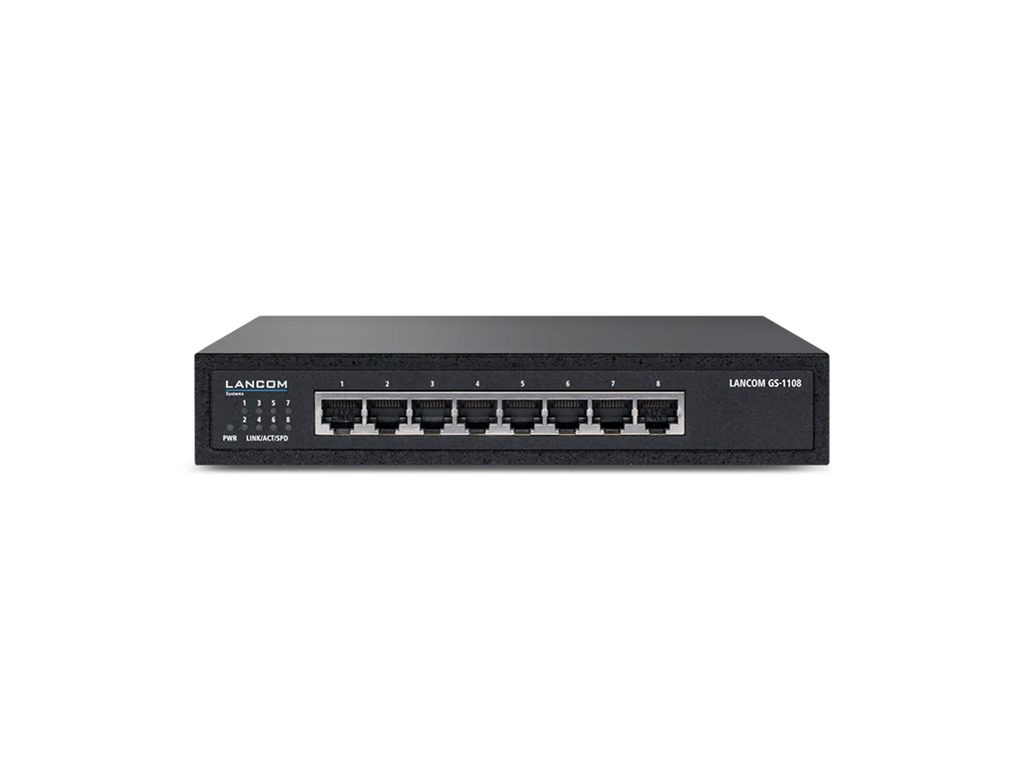
In addition to the solutions already presented, other manufacturers also offer suitable switches for small business networks. These include, for example, the Juniper EX2300 series, the Zyxel GS1915, GS1920v2 and XGS1930 series, the Huawei eKitEngine S1700/S1730, S220 and S310 series, and the QNAP QSW 1000, QSW 2000 and QSW 3000 series.
For small business networks, it doesn’t always have to be the most powerful switch. The key is to ensure that the number and speed of the ports, management functions, PoE power and potential expansion options match the actual requirements of your network.
However, which switch series best suits your IT infrastructure depends on your specific use case. If you need help making a choice, we’d be happy to advise you personally. Simply use our enquiry form and let us know your requirements.