The power consumption of IT systems can vary considerably depending on the device, workload and operating mode. By applying appropriate settings, using hardware tailored to their needs and regularly reviewing their infrastructure, organisations can reduce the energy consumption of individual systems and thereby influence their ongoing electricity costs.
In this blog post, we show you which devices consume a particularly large amount of energy and how you can reduce not only energy consumption but also energy costs with targeted measures.
An IT infrastructure planned to meet specific needs can help to avoid unnecessary electricity consumption, make better use of system capacity and keep running costs under control. This includes keeping an eye on energy consumption and renewing or specifically developing outdated systems in order to combine them with modern technologies. Targeted energy management in IT can offer financial benefits and provide greater transparency regarding the infrastructure’s electricity consumption.
Companies face the challenge of operating IT in a way that is powerful, secure and economical at the same time. Energy-efficient IT forms the basis for stable processes, lower costs and a future-proof infrastructure.
High energy consumption in companies is usually caused by a combination of several factors. It is particularly noticeable in computationally intensive environments, with inefficient infrastructure or in the continuous operation of devices.
Other causes include:
Many devices often consume power unnoticed, even when you would not expect it. This is called creeping consumption or standby consumption: Basically, it can be said that devices also consume energy in standby mode, albeit only in small amounts. This often leads to additional energy costs and avoidable electricity consumption.
Which IT devices consume a lot of energy (including standby)?
Office equipment:
Entertainment and gaming:
Servers and data storage:
The energy consumption of a device depends not only on its type, but also on its energy efficiency class and size. Larger devices such as televisions, monitors or devices with a low efficiency class consume significantly more electricity than smaller devices or devices with a higher class. Computationally intensive applications such as complex games or elaborate editing programmes also increase electricity consumption.
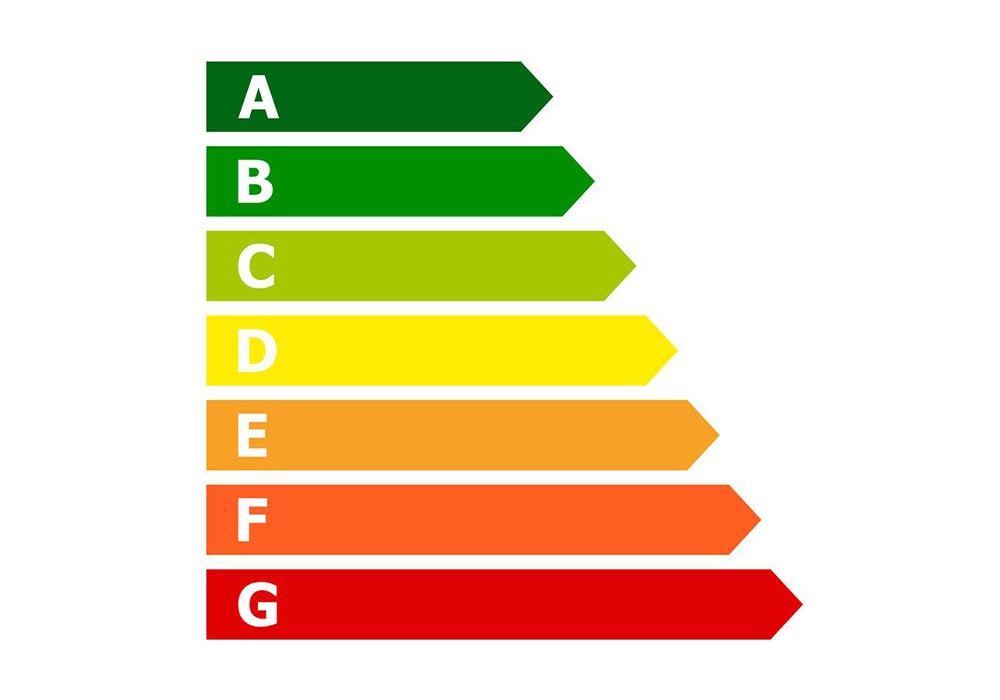
The energy efficiency label helps to estimate the energy requirements of a device: the better the label, the less electricity is consumed (electricity consumption is usually specified for one year).
The classes range from:
A – Highest energy efficiency class within the relevant product category; comparatively low energy consumption
B – High energy efficiency within the relevant product category; comparatively low energy consumption
C – Average to good energy efficiency within the relevant product category
D – Average energy efficiency within the relevant product class
E – Lower energy efficiency within the relevant product class; tends to have higher energy consumption
F – Low energy efficiency within the relevant product class; comparatively high energy consumption
G – Lowest energy efficiency class within the relevant product labelling; comparatively high energy consumption
Even though IT devices with a higher efficiency rating are usually more expensive, the investment pays off in the long term as they will significantly reduce electricity costs in the future.
Various manufacturers, such as Cisco, Netgear, APC, Cyberpower and Eaton, offer models with power consumption control features, energy-saving modes or high documented efficiency ratings.
Cisco Catalyst switches with PoE and energy management features, depending on the model
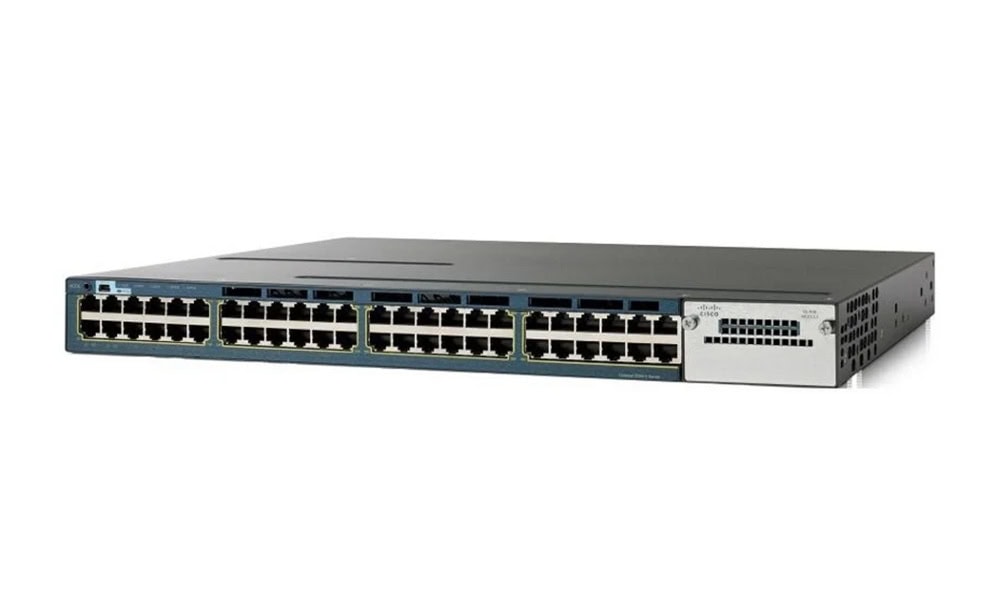
NETGEAR Easy Smart Managed Switches with model-specific energy-saving features
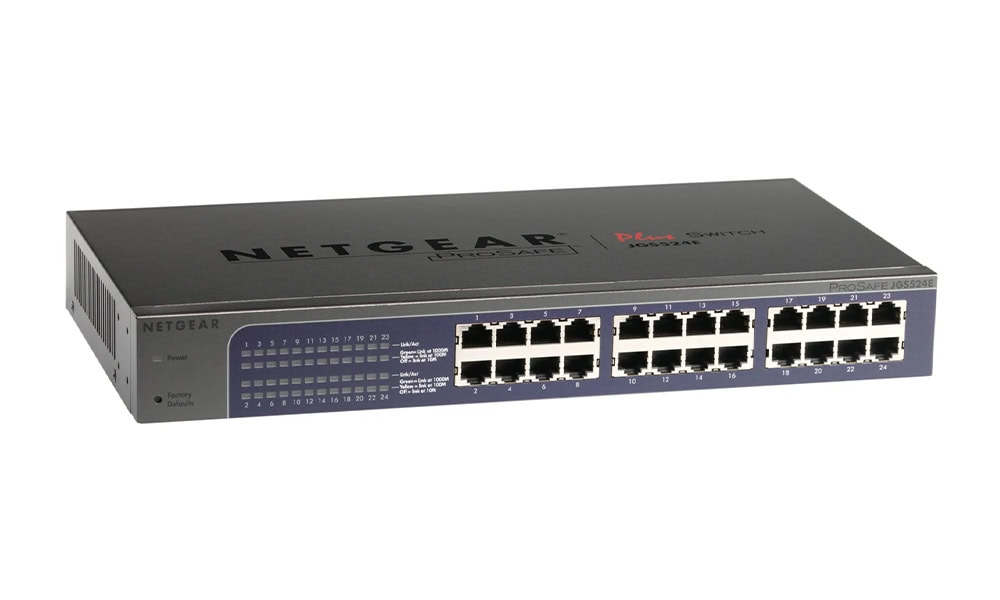
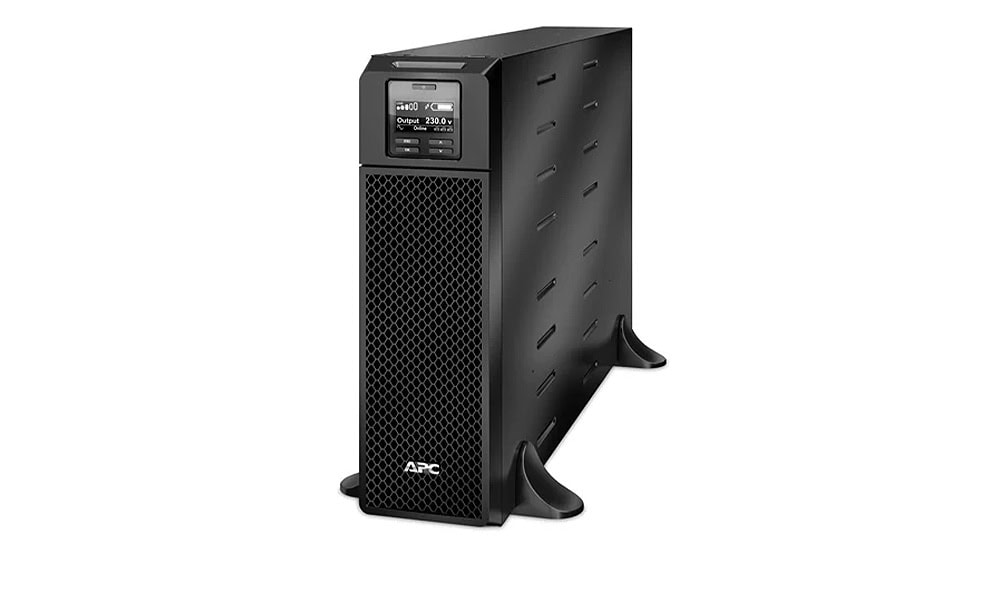
APC Smart-UPS On-Line with very high efficiency
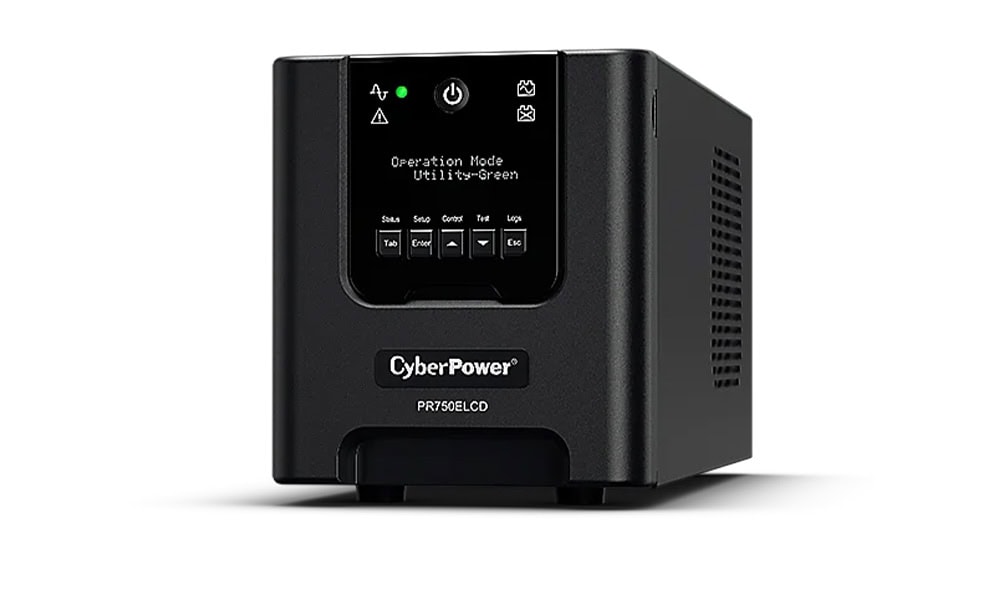
Cyperpower UPS systems with GreenPower UPS™ technology
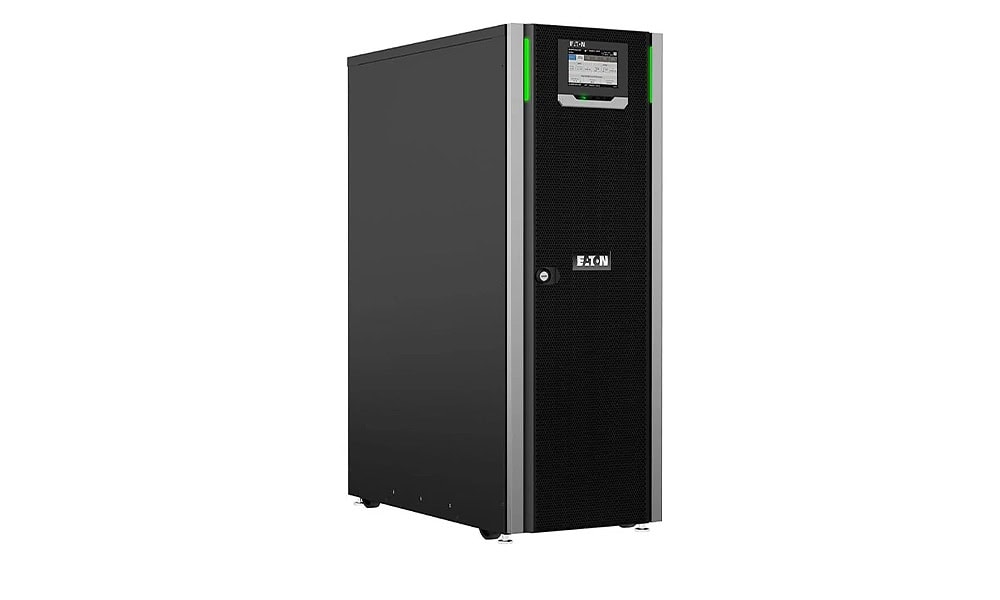
Eaton data centre and building UPSs with Eaton Energy Saver System (ESS) technology
Optimise IT infrastructure
Make operation and use more efficient
Optimise cooling and energy sources
Organisation and control
A conscious approach to IT power consumption can help to reduce ongoing energy costs. Key factors here include the hardware used, its utilisation rate, energy-saving features and actual consumption figures. Even simple measures, such as switching off devices that are not in use or configuring them to suit actual needs, can have an impact on power consumption.
Choose powerful IT solutions from top brands such as APC, Cisco, CyberPower, Eaton and Netgear. You can find suitable products in our shop, which you can easily request using our enquiry form.
Many IT devices consume varying amounts of electricity depending on their type, size and energy efficiency class. High energy consumption is usually the result of several factors working together:
Yes, IT devices in standby mode consume power unnoticed, which is also known as standby power consumption. This often leads to additional energy costs and avoidable electricity consumption. On average, devices in standby mode account for around 10% of electricity consumption.
Stealth energy consumption is higher in older devices in particular, as they do not have modern technology. For example, a computer or laptop consumes around 2 to 10 watts in standby mode, depending on the size and type of device.
The energy consumption of IT equipment in companies can be reduced by taking a number of simple measures:
Servers, high-performance computers and data storage systems have particularly high energy requirements because they run continuously to ensure permanent availability and security of the systems. In addition, they require powerful cooling systems to prevent overheating.
Furthermore, the use of powerful processors, which require high computing power, especially in AI applications or cloud computing, leads to additional power consumption.
The energy efficiency class of IT equipment helps to better estimate the energy requirements of a device. The better the label, the less electricity is consumed, with the electricity consumption figure usually applying to one year. Devices with a higher energy efficiency class are often more expensive to purchase.
Nevertheless, the investment is worthwhile in the long term, as it leads to permanently lower electricity costs. The classes range from A (very low power consumption with maximum energy efficiency) to G (very high power consumption with very low energy efficiency).